

Hanover Township to vote on future of its fire department
“When you need fire and medic to show up at your house, you can’t wait 15 to 20 minutes for a neighboring department, even if they’re available.”
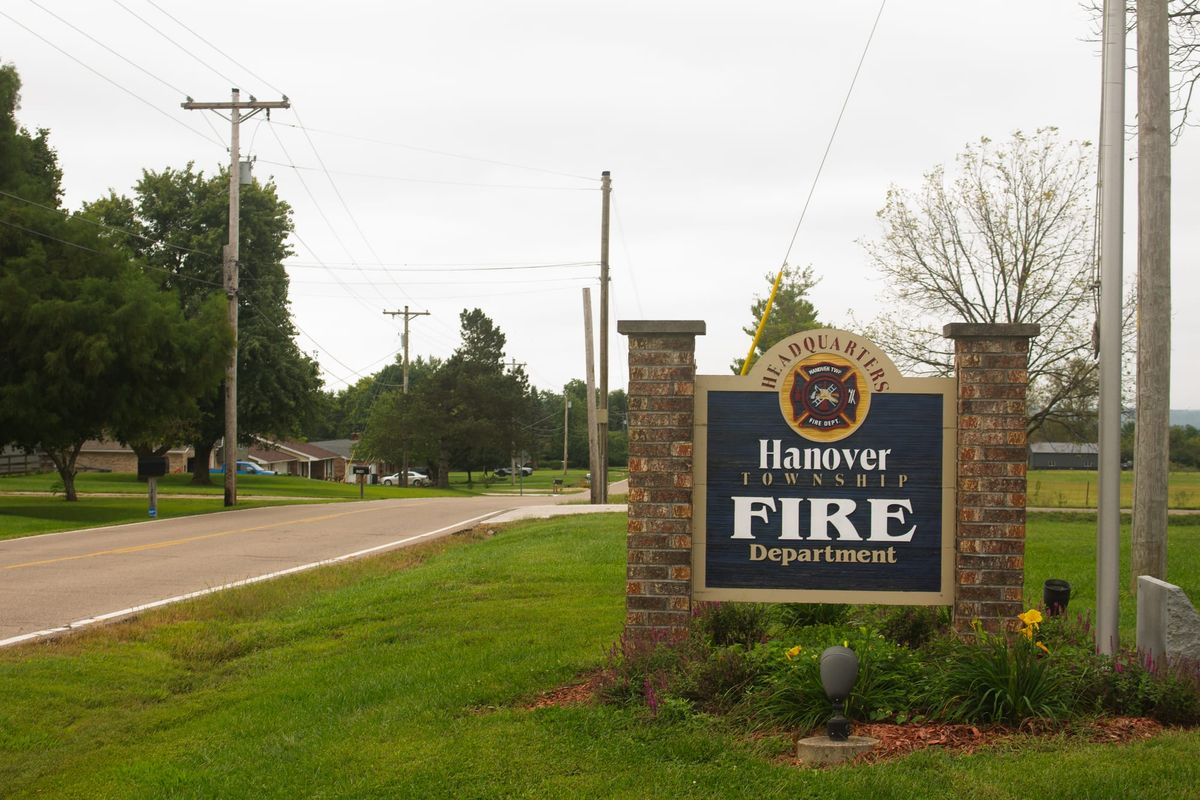
This story was produced by Miami University journalism students Kiser Young and Stella Powers in partnership with The Oxford Free Press.
On Nov. 3, Hanover Township will decide the future of its fire and EMS services.
This year's ballot features the Hanover Township Fire and EMS Levy – a 3.5 mill levy proposed to fund department operations, which would collect $1.1 million annually.
This five-year levy would replace the current levy, which expires at the end of this year, and cost approximately $123 per $100,000 of property value.
Voters first saw the levy in last November's election, but it failed. This is the township’s third attempt at presenting a new levy to voters, and if it doesn’t pass, the fire and EMS department will have a hole in its budget of nearly 98% beginning in 2027.
“Once they (the people) see something come across as taxed, they get all scared because of the fact that they’re on fixed income and now they got to shell out more money,” said Alan Lakamp, volunteer chairman of the levy. “They don’t look at the big picture and the breakdown.”
Lakamp, who is also a retired firefighter, said if the levy doesn’t pass this time, it could be difficult to keep up response times.
“When you need fire and medic to show up at your house, you can’t wait 15 to 20 minutes for a neighboring department, even if they’re available,” Lakamp said.
Deputy Fire Chief Jeff Goble says the average response time in the U.S. is 10 minutes. Currently, Hanover Township’s response time is shorter than that.
Response times are a matter of life and death, according to Fire Chief Paul Smith. If the levy doesn’t pass, they may have to outsource to volunteers and neighboring departments.
“If you’re staffing employees here, they’re out the door within two, three minutes, which when it comes to some medical events, that’s life saving,” Smith said.
According to an incident report shared by the Hanover Township Fire Department on Facebook, in August 2026, there were 56 total EMS incidents and 30 fire incidents, with a total of 586 fire and EMS runs in 2026 so far. In 2025, the department responded to a total of 903 runs.
Seventy shifts, both partial and full, were also listed as unstaffed in the post.
Firefighters and EMS personnel are paid on a part-time basis. All must complete training and many work other jobs in addition to firefighting, including the chief and deputy chief.
According to a job posting, the EMS staff make between $13.50 and $25 per hour. Goble says they have 49 active firefighters and EMS staff.
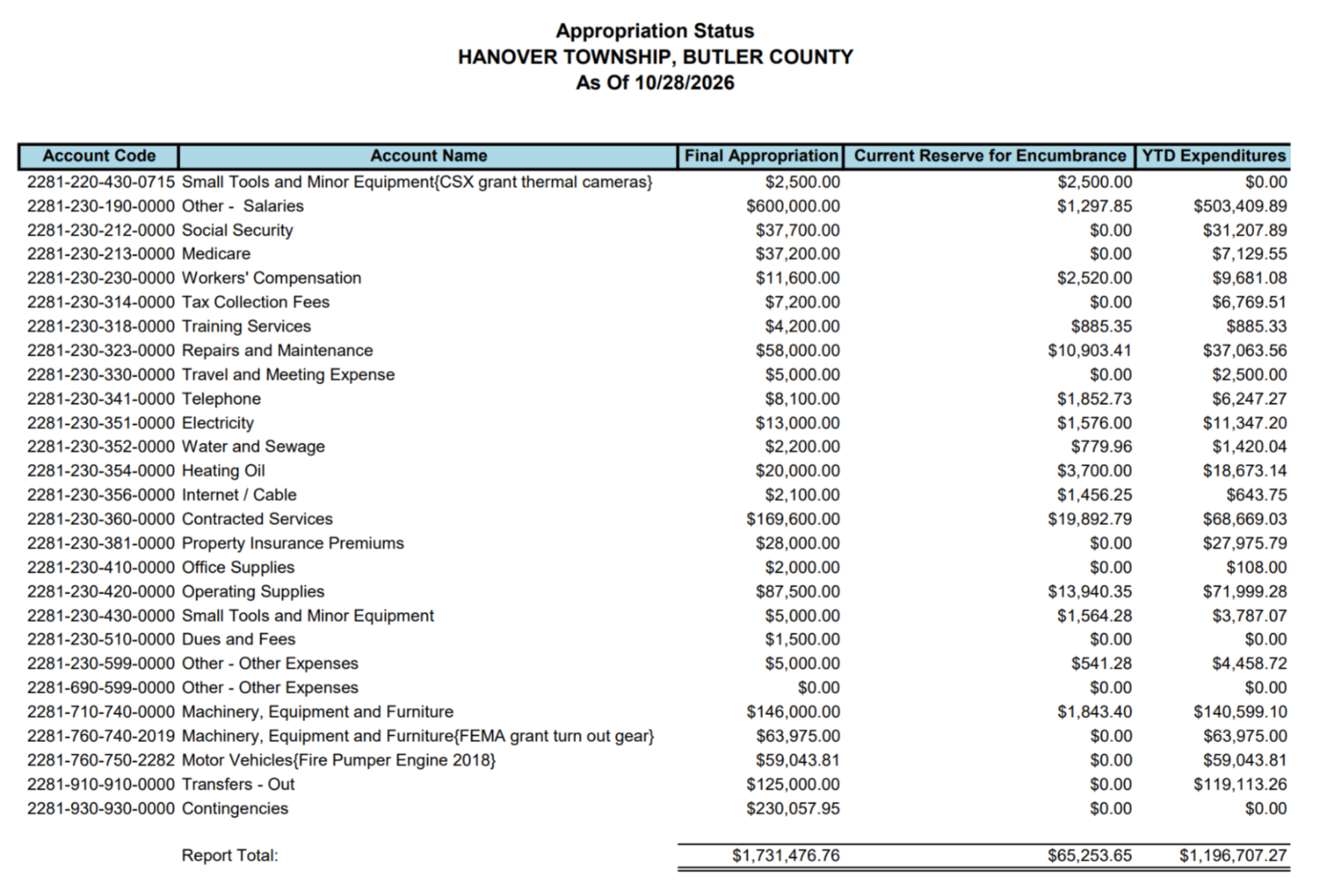
The levy will cover payroll and help the department cover expenses such as training and supplies. As listed in the 2026 October appropriation, a legal document similar to a budget. Payroll accounted for nearly 35% of the total budget.
Goble says the levy currently in place was based on 2016 property values. The cost of living has gone up since then, and Smith says that has been factored into the levy voters will see on Election Day.
“Cost of living affects all of us as a person. It also affects the fire department,” Smith said. “It’s no different. Your food goes up for you, our supplies go up … Anything it takes to operate this fire department has all risen.”
Goble said that even if the levy does pass, the department will still have to continue to watch its spending.
“I'm afraid that we will end up taking 10 steps backwards and losing at least half of our (49) guys because of funding issues,” Goble said.
Kristi Rhodus, a resident of Hanover Township, has witnessed the work of the department first hand. In addition to calls she has made for help, her husband is on staff. Rhodus plans on voting in favor of the levy.
“The community should carefully consider what’s at stake,” Rhodus said. “No one wants to use the emergency services or fire services, but it’s nice to know that you have it available in your own community when you do need it.”
Rhodus said she thinks that if people take the time to research what the levy will actually cost and what it’s for, they’ll understand why it’s important for it to pass.
On Facebook, community members have been vocal about their thoughts on the levy, sharing reasons why they are both for and against it. Some residents say it costs too much, while others say they’d like to see the department’s budget before making a decision.
Voters can find information on early voting, polling locations and view a sample ballot on www.ohiosos.gov/elections.