
On My Plate: Kale
“This vegetable…forms one of the principal foods of the Dalmatians, and is grown especially in the regions of Ragusa and Cattaro. In certain portions of Dalmatia it is stored, and its leaves are blanched and used for salads. They are quite showy when served with lettuce.”
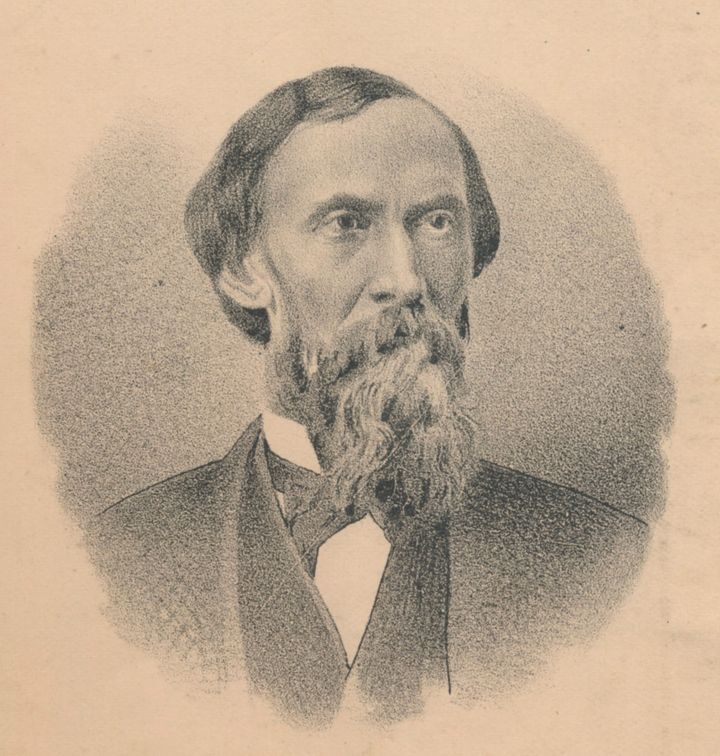
The arrival of kale in the United States makes a good story. Most of our foods have vague origins that date back thousands of years, but we know that the first kale was shipped to the United States on or about April 27, 1901, by David Fairchild, better known as “the food spy.”
Fairchild (1869-1954) joined the U.S. Department of Agriculture (USDA) at age 20, and for more than 20 years traveled around the world, a total of several hundred thousand miles, in search of plants and foods that U.S. farmers could try to grow and U.S. consumers might be willing to eat. As head of the USDA Office of Seed and Plant Introduction, Fairchild is credited with introducing over 200,000 exotic plants and foods, including avocados, mangos, pistachios and quinoa.
Fairchild came from an academic family. His grandfather was one of the founders of Oberlin College, his two uncles were presidents of Oberlin and Berea College and his father was president of Michigan State and Kansas State University.
Some of Fairchild’s work involved official diplomacy. His best-known negotiation was securing Japan’s gift to the United States of the cherry blossom trees that adorn Washington D.C.
Some of his work was clandestine. For example, Germany’s hops growers closely guarded their fields to prevent others from stealing samples, but by bribing a guard one night Fairchild managed to obtain some hops, which he smuggled out of the country. Those hops form the basis for today’s U.S. beer industry.
Fairchild arrived in the town of Cattaro, then part of the Austro-Hungarian Empire and now known as Kotor, Croatia. According to his autobiography “The World Was My Garden,” he arrived amid celebrations for the feast day of Osanna, the patron saint of Cattaro, which is April 27. There he found attractive varieties of walnut, olive and lemon, which he sent to Washington D.C.
Fairchild wrote in his autobiography “A plant which interested me almost more than any in the district was a curious perennial cabbage known as ‘Capuzzo.’ This vegetable – apparently a form of kale – forms one of the principal foods of the Dalmatians, and is grown especially in the regions of Ragusa and Cattaro. In certain portions of Dalmatia it is stored, and its leaves are blanched and used for salads. They are quite showy when served with lettuce.”
For most of the twentieth century, kale was grown in the United States as an ornamental or for cattle feed. USA Today reported that prior to 2013, the biggest kale consumer was Pizza Hut, which used it to decorate buffets. During the 2010s, kale became trendy in fashionable restaurants, especially after Bon Appétit named 2012 the year of kale.
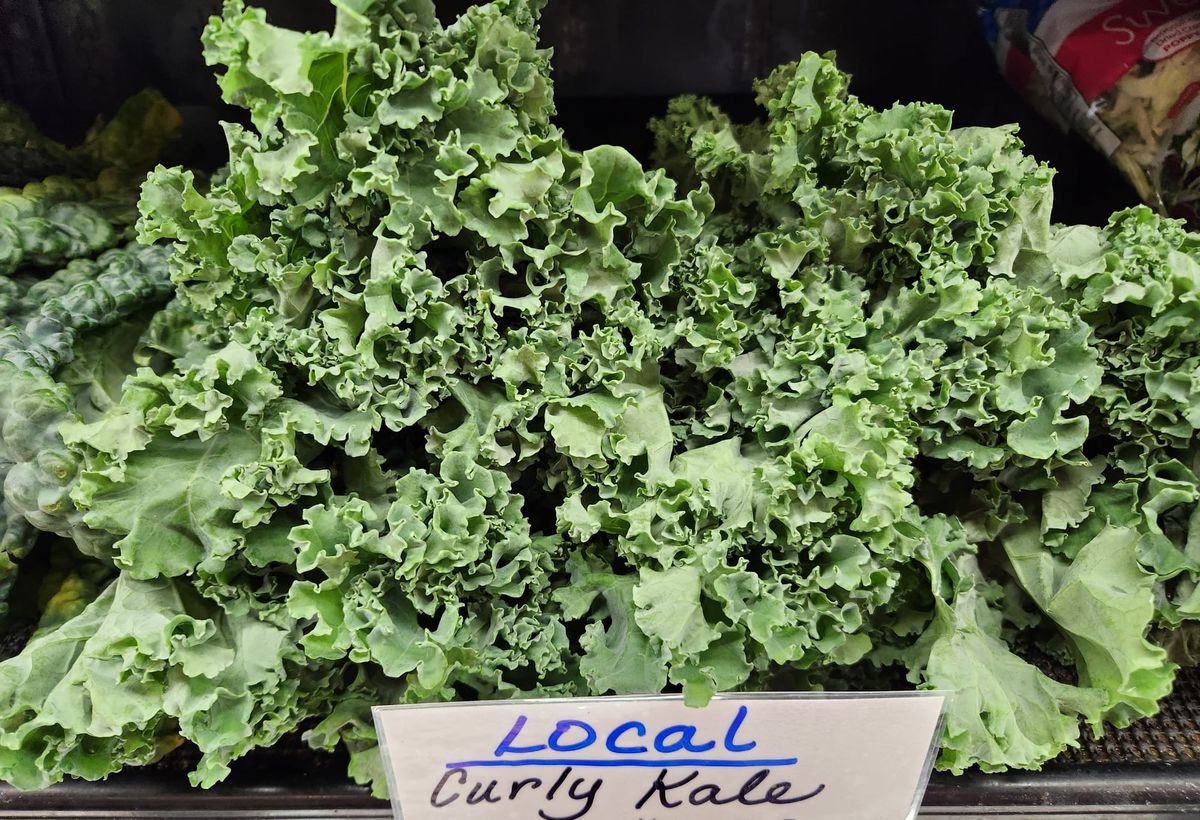
Kale can be steamed, microwaved or sauteed like chard, spinach and other brassica, but we prefer two other methods of preparing kale. One option is to shred or finely chop the raw leaves and mix with a small amount of vinaigrette dressing. A food chopper doesn’t work, as it turns the leaves to mush.
Our household’s other option is kale chips. Roughly tear the leaves, throw them on a roasting pan with a very light coating of olive oil and bake them for five or 10 minutes. “The Department,” a podcast about trends, reported that “Gwenyth Paltrow gave kale the real platform it needed in 2011 when she made her infamous kale chips live on Ellen.” We got to kale chips without Gwenyth or Ellen.
James Rubenstein is president of the Board of Directors for the Oxford Free Press and professor emeritus of geography at Miami University.