
Oxford Seniors fills service gap with Miami interns following grant loss
Oxford Seniors lost student workers who were part of the Miami University Service+ program following the loss of its AmeriCorps grant in April. Now, the gap is being filled by interns from the university’s psychology department.
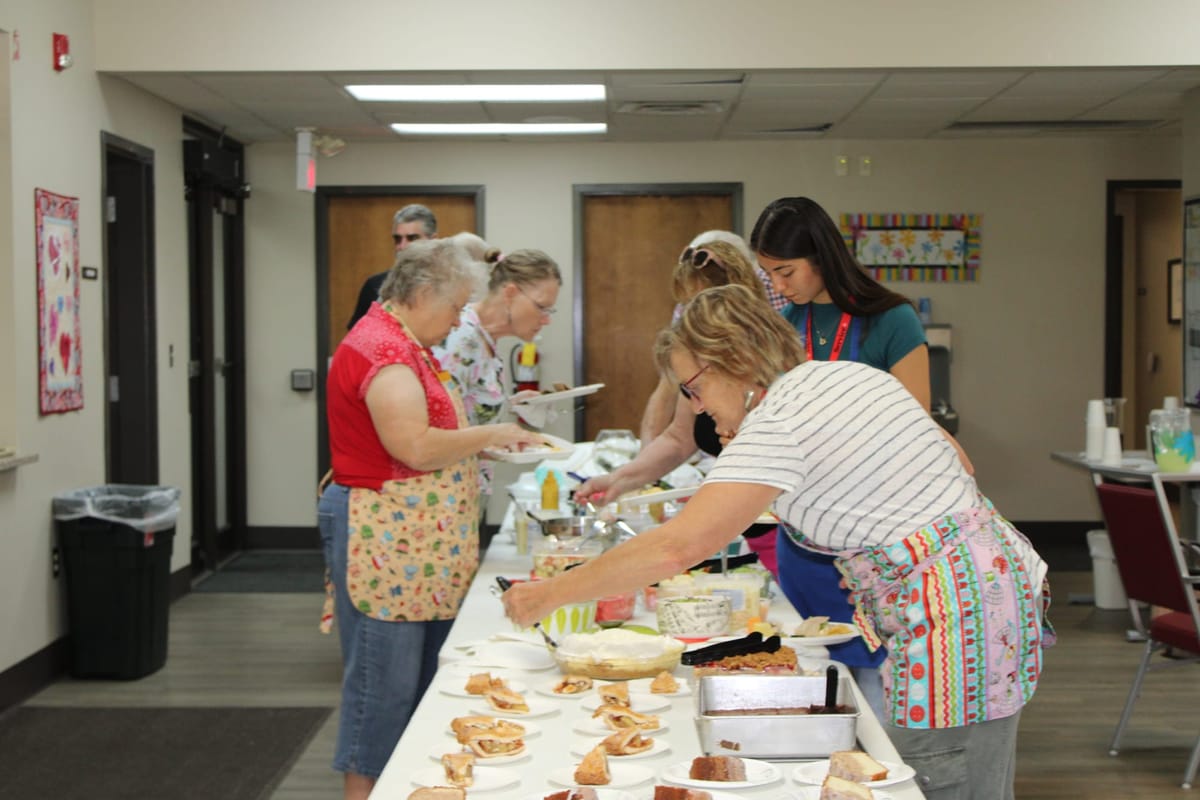
Oxford Seniors is filling a gap caused by the loss of student workers who were part of the Miami University Service+ program with new interns from the university’s psychology department.
Emily Liechty, executive director of Oxford Seniors, said the Miami Service+ program, which was previously funded through AmeriCorps, provided three student positions, one at Oxford Seniors and two at its adult day center, as a partnership. In return, Oxford Seniors would pay a third of the cost for students to work at its facilities.
Americorps is a federal agency that provides service opportunities for Americans. In April, it announced it was terminating nearly $400 million in grant funding, leading more than 1,000 programs involving more than 32,000 members to end.
Miami’s Service+ program was on track to have 85 members in 2025, as previously reported by the Oxford Free Press.
Since Miami’s program lost funding, a psychology professor at Miami, who discovered the organization’s need by reading the Oxford Free Press’s article, reached out to offer student assistance through the university’s psychology internship program.
“It really was a struggle,” Liechty said of the loss of the Service+ students. “It was going to be a financial challenge for us.”
Liechty told the Oxford Free Press in September the students each contributed 15 hours of work per week, giving clients one-on-one attention, reading to them, leading group exercises, helping to serve meals and work on special projects or even dance with them.
“We could really depend on them, and they also just did a really lovely job,” she said, adding although Oxford Seniors had a contract with the Miami Service+ program saying it would provide work opportunities for the rest of the spring 2025 semester, Americorps cut its funding two or three weeks before the end of the semester. “It was really disappointing.”
Liechty described the program as an “antidote” for students stressed out by college and for older adults who may feel isolated after retirement.
Additionally, she said the loss led to her employees needing to increase their hours, which was more costly for the organization, but “The other, more maybe nebulous, thing that we lost was the relationship that was formed.”
In September, the adult day center had gained an unpaid social work intern from Miami who was helping to run games, pass out food, spend time with clients and generally assist where needed.
Now, Liechty said Oxford Seniors has two unpaid interns from the psychology department at Miami who are helping with the load.
“When you’re thinking about accessibility for everyone and equality, an unpaid internship is not the best thing for everyone,” she said. “There’s a lot of people who actually need to be paid for the work they do.”
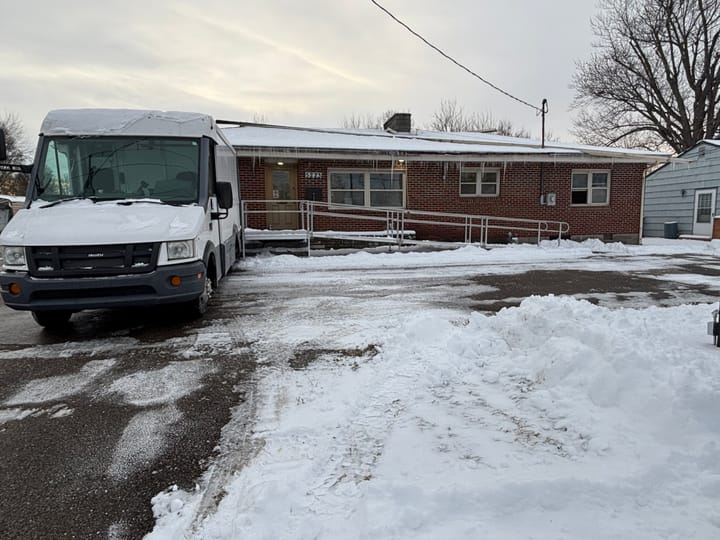
Overall, she said changes in federal grant funding has been “challenging” for the organization as they are in the final stages of approval for a grant to purchase new vehicles to transport clients.
But having the interns “has really helped,” she said.
“We definitely still are always looking for student interns and student volunteers. They just bring a great deal to our program,” Liechty said. “But yeah, right now we’re doing pretty well.”
Ryan Kenter, a Miami junior majoring in psychology, has been interning at the adult day center for the past couple of months – unpaid.
He said he chose the opportunity to work there for the experience, as he considered connecting with people one of the most important factors of clinical psychology.
“I find it very interesting and very helpful to connect with people who are older who are rich with stories, experiences,” Kenter said, “and being able to connect with them is such a gift and a privilege that I wanted to take full advantage of.”
Kenter said clients at the day center participate in activities like bingo or corn hole, which he said is also an informal way of testing their cognitive abilities while building relationships.
“It’s honestly the highlight of my day to come in there and volunteer for an hour or maybe two,” he said. “Just being there for them, I know, means a lot.”
In the past week, Kenter said he has also seen more people volunteering at the facility, as well.
Right now, Kenter says he is earning college credit for his internship, although he said he intends to check-in from time to time once the semester is over, as he lives within a two-minute walking distance of the facility.
He said he’s used to caring for his own grandparents, so while working at the facility doesn’t present any new challenges for him, it “requires a different type of patience, but it’s a patience that, to me at least, comes more naturally.”
“(The internship) provides you with this opportunity to connect with people that I don’t think you would be able to find anywhere else,” he said. “I just feel like these people … have this opportunity to build and foster these connections that I think matter a lot to them.”