
‘Storytelling and art:’ Exploring climate change
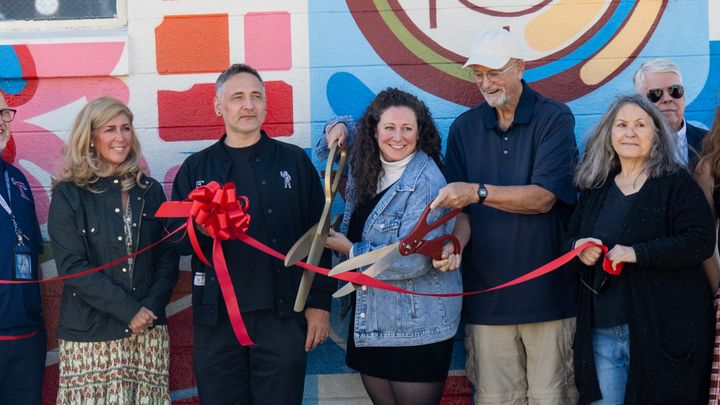
From now until May 4, the OCAC is exhibiting “Changing Climate, Changing Communities,” showcasing around 40 pieces crafted by local and regional artists.
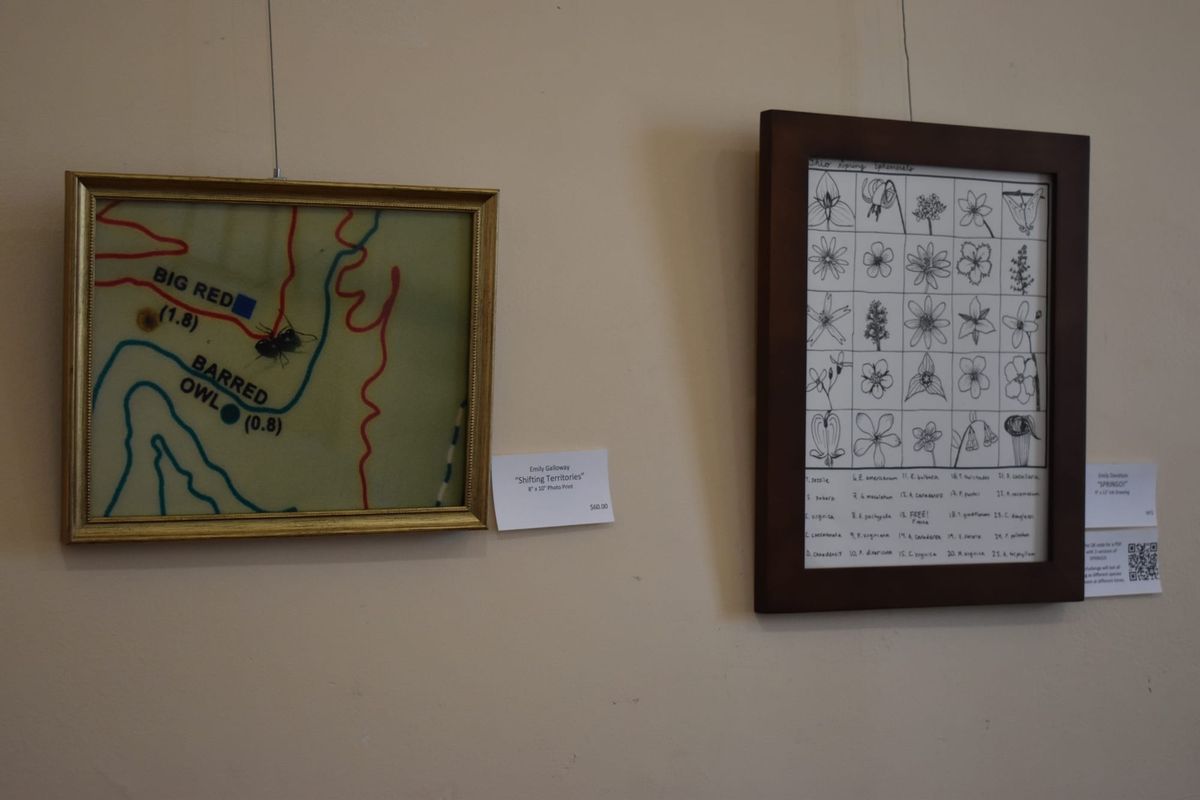
From now until May 4, the Oxford Community Arts Center (OCAC) is exhibiting “Changing Climate, Changing Communities,” showcasing around 40 pieces crafted by local and regional artists.
In its fourth year, the “Changing Climate, Changing Communities” exhibit was created through the organization Engaging for Climate in Oxford (ECO).
Katie Feilen, a founder of ECO and the director of Project Dragonfly at Miami University, strived to create community conversation surrounding an overwhelming subject often conveyed through graphs and data charts.
By 2019, Feilen, ECO members and other Miami faculty had begun to toy with the notion of “storytelling and art,” Feilen said.
Art can allow emotional interaction that data can’t always access, triggering “emotions, positive (and) negative, (that) drive you to action,” Feilen said.
Soon after came the first “Changing Climate, Changing Communities” exhibit.
Since its inception, Feilen said local opinions on climate change have altered. Based on small surveys conducted for the exhibit’s previous years in 2019, 2020 and 2024, Feilen estimated around a 25% increase in the belief that “climate change is caused by anthropogenic, human-caused reasons.” By 2024, roughly 75% of the general population believed climate change to be caused by people.
Artists as consumers
Similar to altering ideas on climate change, one artist whose work is a part of the exhibit reflected on her own transitions with art.
Devan Horton is a northern Kentucky-based artist and currently has four paintings of her “Penchant” series on display: “The Other Side of Paradise,” “We Are What We Breathe,” “Hungover” and “Coal Keeps the Lights On.”
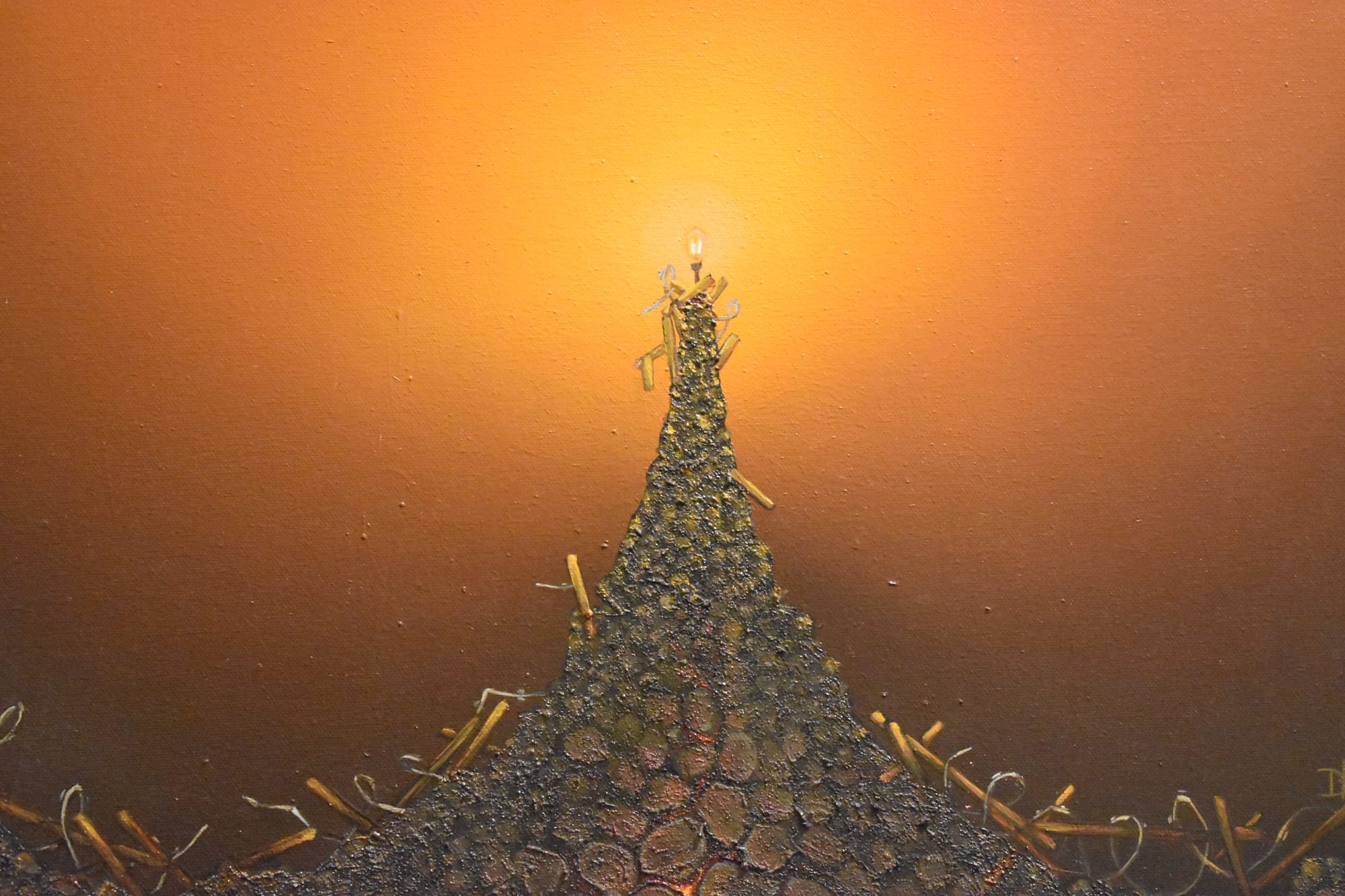
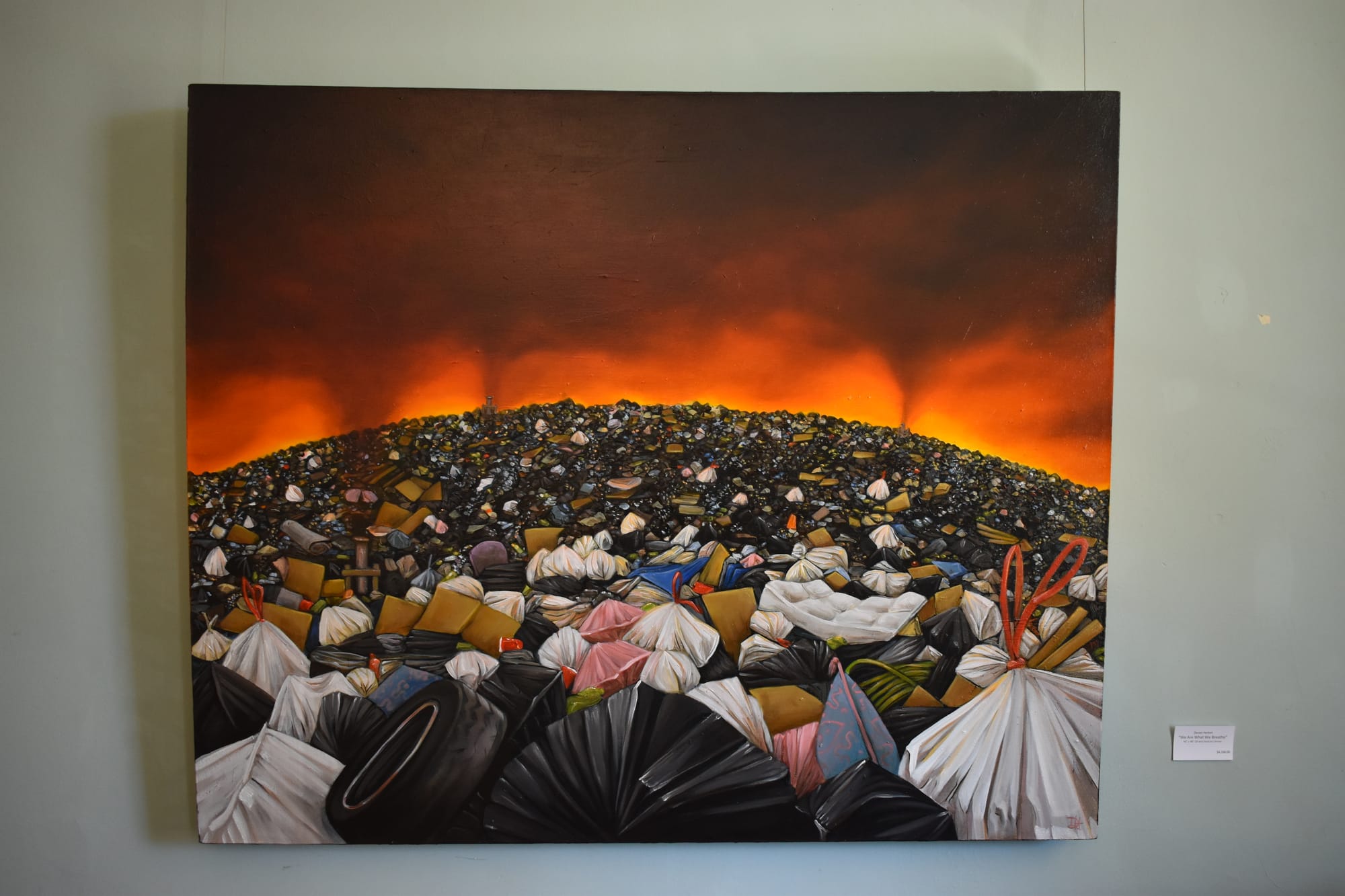
(From left to right) A close-up of artist Devan Horton’s “Coal Keeps the Lights On" and "We Are What We Breathe." Photos by Hannah Sander.
The series, which is about “our interactions with the environment and how we don’t really acknowledge the waste anymore,” Horton said, forced her to reevaluate her own practices.
“I really just started analyzing my own consumption habits,” Horton said, “and I really started paying attention to how I was consuming in the studio.”
She began experimenting with sustainable materials while working on the series, and the transition to these materials for her paints and inks has completely altered her artistic practices.
Black walnuts, goldenrods, acorns and hibiscus – to name a few – don’t grow throughout the year.
“I do work very seasonally now,” Horton said, “which is definitely an interesting element to navigate in the studio, and I try to work with whatever materials are abundant.”
Community dialogue through theater
Interacting with climate change through art does not just include physical materials.
Ann Elizabeth Armstrong, associate professor in Miami’s department of theatre, collaborated with Feilen and the OCAC to have her students in her two “Theatre, Power, Justice and Social Change” classes give a staged reading of 11 short plays.
The performance, titled “Where the Wild Things Were,” features nine plays written by professional playwrights with an annual worldwide festival, Climate Change Theatre Action. The remaining two plays were written by students of Armstrong’s class.
Armstrong cited the short length of the plays as a more effective way to engage with issues surrounding climate change more directly.
“We tend to make theater by going in a dark room that takes us away from nature,” Armstrong said, “so even if you’re telling a very compelling story about climate change, it is also taking you away from the very issue.”
“One thing I like about the short plays is though they allow us to do something quickly, it also creates more space for us to dialogue with the community,” Armstrong said.
The performance is at 7 p.m., April 27, in the OCAC ballroom.