
Four Mile Creek to undergo restoration project
Dams near the Ruder S. Preserve and the Miami University Equestrian Center will be demolished as part of the project.
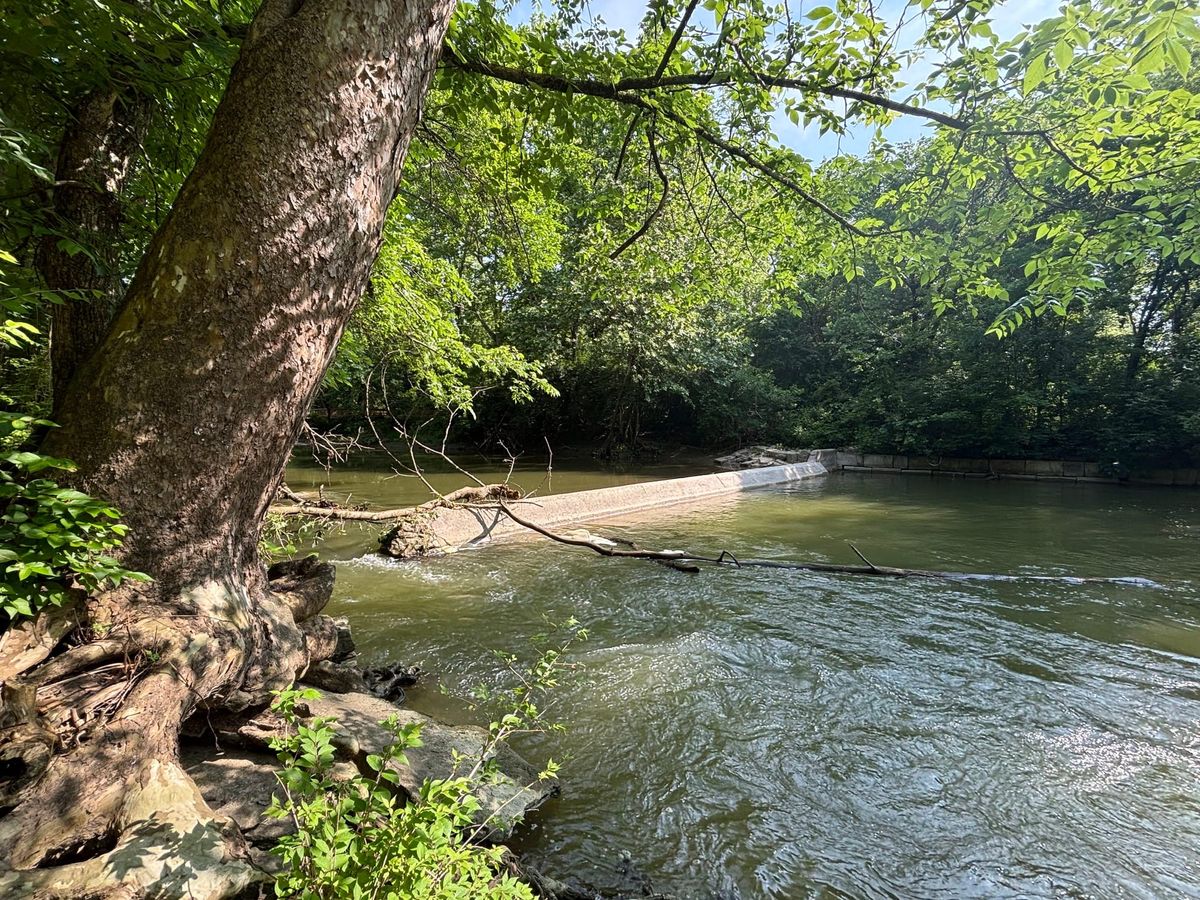
Four Mile Creek is slated to undergo restorations in the coming months, with construction beginning in October.
The restorations will take place adjacent to the Ruder Preserve and the Miami University Equestrian Center to remove parts of two separate dams along the creek in northeast Oxford.
Ross St. Clair, project manager and water resource engineer at Steven W. Carothers and Associates (SWCA) Environmental Consultants, said both sites did not meet attainment for a Warmwater Habitat (WWH), an aquatic life use designation by the Ohio Environmental Protection Agency (EPA). The WWH designations label bodies of water able to support balanced, integrated communities of warmwater organisms, according to St. Clair.
Who’s funding it?
The Butler Soil and Water Conservation District (SWCD) will lead the project, along with funding from the H2Ohio Rivers Program. The project will also be supported by Miami University, the City of Oxford, Three Valley Conservation Trust and Environmental Solutions AQ.
Weather pending, The Stanger Group, a natural resources restoration group based in Indiana, will support the project by collecting field data to inform project design.
Ruder Preserve dam
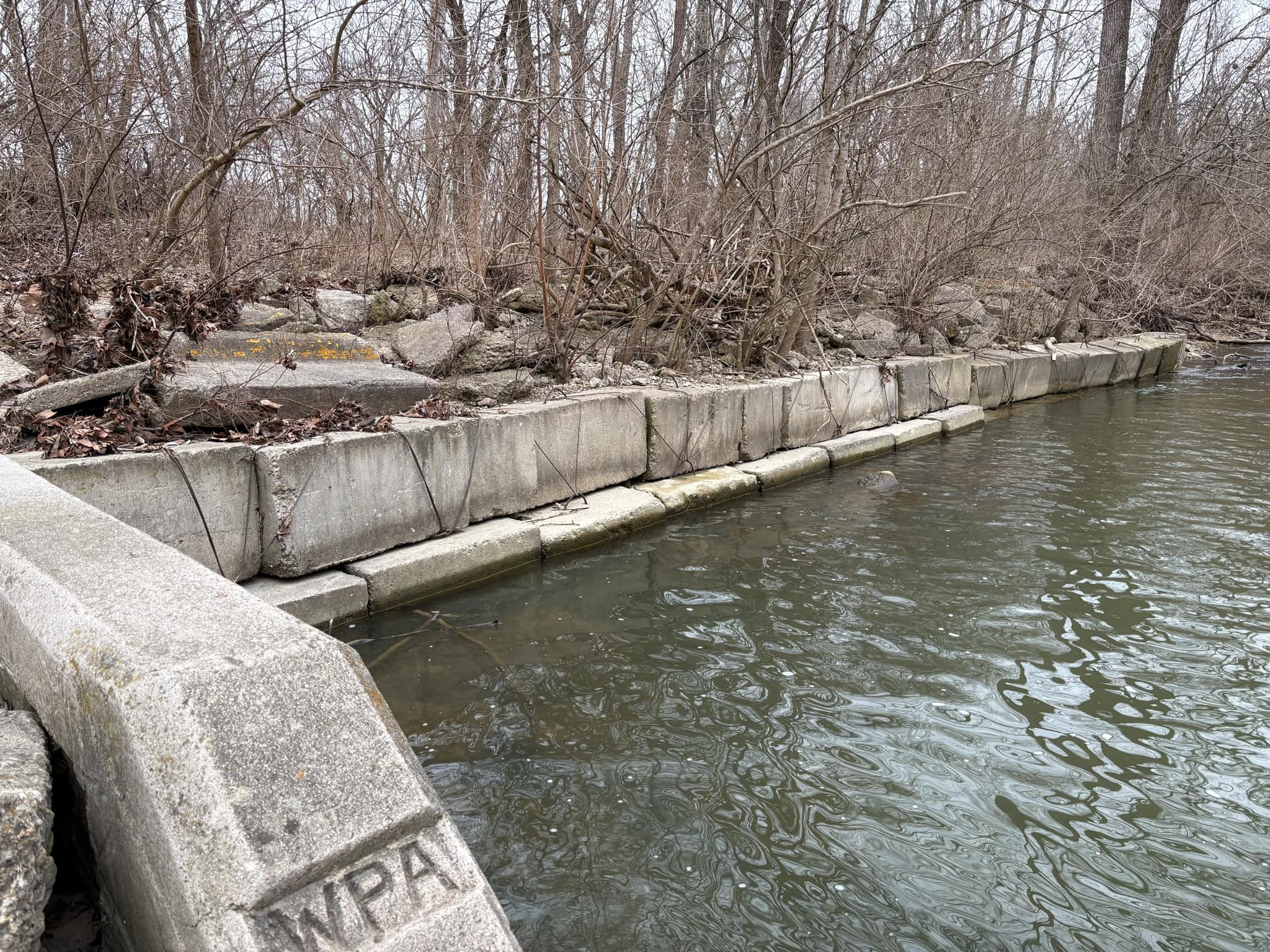
The complete removal of the Ruder Preserve dam, which was built in the 1950s, has been pushed by stakeholders of the H2Ohio Rivers Program, for the past 10 years.
Fish, bug and habitat sampling was conducted at Four Mile Creek in 2005 and again by the Ohio EPA in 2010.
The study found sediment buildup, low fish numbers and a concern for downstream sewer infrastructure.
“We’re not only removing the aquatic barrier (here), but we’re also restoring (and) giving the habitat an initial boost on the site,” St. Clair said.
Part of restoring this site, according to St. Clair, involves adding a rock ripple, which, in the case of this project, is a layer of imported limestone, along the creek’s bank walls.
This ripple would allow for aquatic passage upstream from the downstream end of the dam.
St. Clair added that in addition to the dam, the surrounding concrete blocks on the site will be removed as well.
“(They) are likely going to be repurposed as part of the footprint at the equestrian center dam,” St. Clair said.
St. Clair said this dam’s construction would be the easier one of the two dams.
Miami University Equestrian Center dam
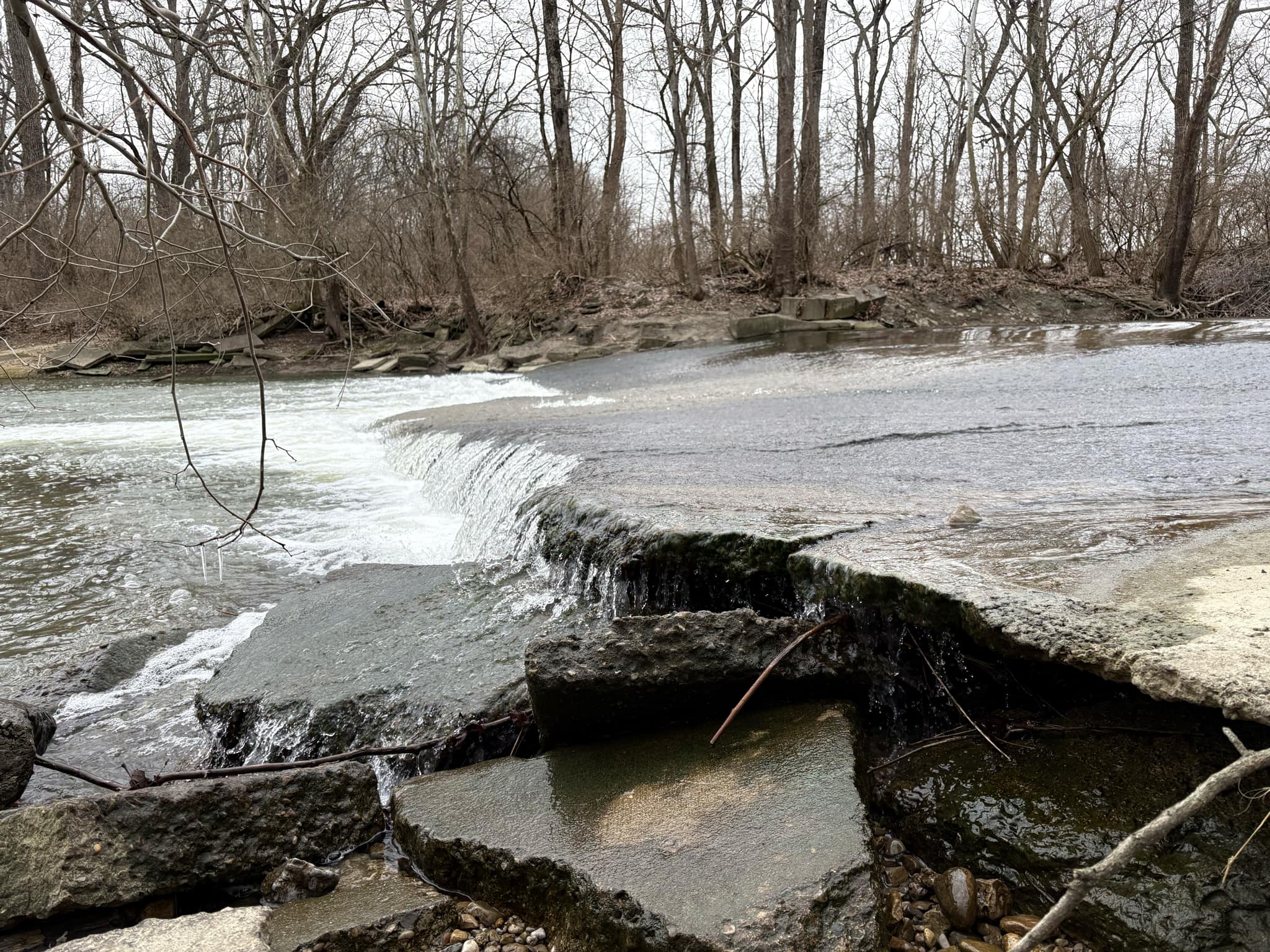
The Miami University Equestrian Center dam consists of an armoring around a sewer, which is in good condition. The issue comes from the armoring lifting up and eroding on the bank, causing possible damage to the integrity of the sewer line.
Since the sewer cannot be removed, restoration options need to increase fish and recreational passage, improve sewer infrastructure and stream bed and bank stability, according to the press release.
“(It) was encased in concrete back in the late 80s,” St. Clair said. “Over time, the downstream extent of that concrete encasement has collapsed.”
St. Clair added the water level is a little high, which, when accompanied by a two to three foot plunge downstream, makes it hard for fish and other aquatic organisms to move upstream.
“We’re not looking at a full removal of the structure,” St. Clair said.
The project team believes that restoration at this site will be “tricky,” since nothing can be placed on the sewer encasement.
The partial removal of the equestrian center dam will also be funded by the H2Ohio Rivers Program.
The project will begin with field assessments, permitting, design and other preconstruction work over the spring and summer months. Construction begins in October and, weather permitting, will likely be completed in early winter 2027, according to St. Clair.
After the construction is completed, the project team will monitor the sites for the remainder of the two-year contract, making sure the site functions correctly.
The press release stated Oxford residents may experience some negatives from the project, including restricted access to certain trails, loud noise from machinery and increased construction activity near the Ruder Preserve and Miami’s equestrian center.
Throughout the project, updates can be found on the SWCD website at www.butlerswcd.org.