
‘Helping them get to a better place’
Volunteers and a significant donor talk about the temporary shelter’s impact since opening in December 2025.
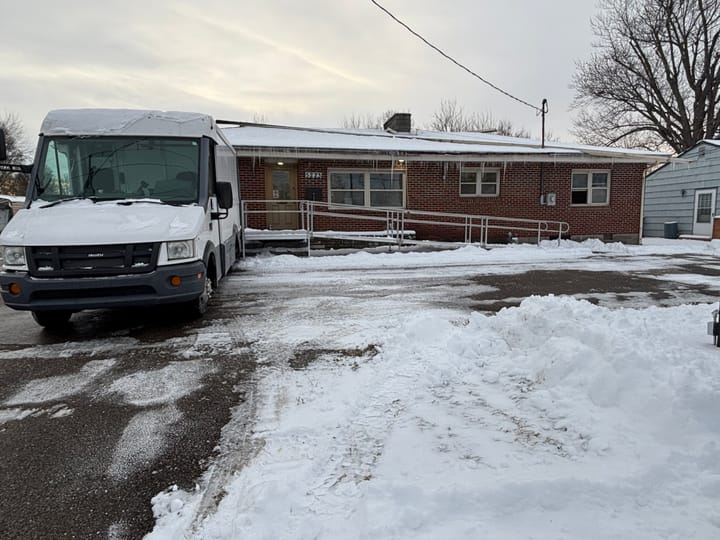
After a nearly three-week delay and a brief diversion to a local hotel, the Oxford Winter House finally opened its doors to the community on Dec. 21, 2025.
So far, data provided by the temporary shelter shows it’s been full nearly every night, providing assistance to 28 individuals and connecting four people to permanent housing via county housing agencies.
During a November 2025 meeting, members of the Oxford Area Solutions for Housing (OASH) group, which took on the winter house project alongside the local faith community, expressed gratitude for the various groups and volunteers who have donated their time, energy, resources and money toward the shelter’s opening.
By Jan. 28, all volunteer slots to provide guests with dinner had been filled.
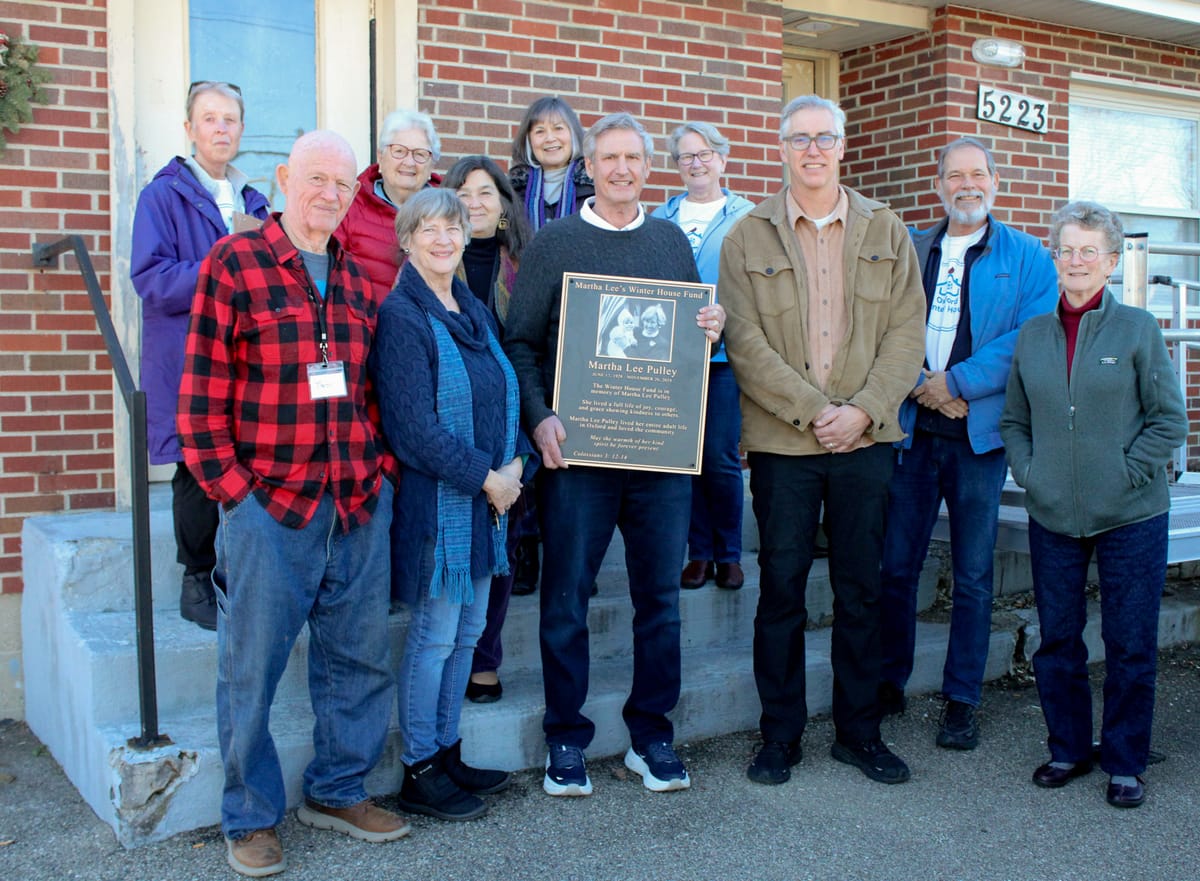
Jeff Pulley, a former Oxford resident, gave a significant financial contribution to the temporary shelter in memory of his late mother, Martha Lee Pulley, who was commemorated with a plaque on the wall of the Oxford Winter House located at 5223 College Corner Pike on Jan. 12.
Pulley said his mother worked with Meals on Wheels, was an active member of the Philanthropic Educational Organization Sisterhood and attended the Oxford United Methodist Church.
“She just loved the community and had a big heart for people that needed help,” Pulley said of his mother. “I thought this was a good fit for what we wanted to do, to give something back to the community.”
Upon visiting the winter house for the first time to hang his mother’s plaque, Pulley said, “It’s wonderful that they’ve got a place for people that are in need there,” adding he thought the project came together “well” through the work of the community.
John Bailer, a volunteer and member of the planning committee, said he’s spent a couple of nights at the shelter acting as a host and talking with the organizers about the data they might collect about the people staying there.
He’s moved furniture, painted and performed any other duties thrown his way while spending time with guests, having small talk about topics like who played Virgil Tibbs in the television show “In the Heat of the Night.”
“Just sort of simple stuff, just to come to know each other as members of the same community,” Bailer said.
“I think that everyone has a story and reasons for why they’re where they are, and a lot is out of their control,” Bailer said, adding volunteering at the winter house was his opportunity to help meet people’s needs.
“And also, I think that part of it is to break down barriers. … To come to know some of the people that are part of this, to come to know some of their stories, to come to know them as people, and for them to come to know me.”
Bailer said he thinks there’s often an assumption that people who become unhoused may have a “fundamental character flaw,” but it can happen for many reasons involving health or other unforeseen circumstances.
Alisha Bond, a night coordinator at the winter house, said multiple staff members at the shelter have lived experience being unhoused or going through recovery, which can be a driving force for wanting to help others. Bond said she has experienced being unhoused and remembers the people who helped her along the way.
“This can literally happen to anybody,” Bond said, pointing to low wages, a high cost of living and few low-income apartment options in the city.
At the winter house, Bond said she has been responsible for intakes and connecting guests with other agencies to get the resources they need, “so that way, they can continue to progress and not just, once the shelter isn’t open, go back out on the street.”
She said one of the goals of the shelter is for guests to know that if they want to make positive changes in their lives they have the support of the volunteers to do so.
Bond plays games with and creates activities for the guests in the winter house, including one that she called “moon water.” During the activity, everyone wrote about something they wanted to let go of – fear, resentment and self-doubt – on a piece of paper that was folded up and placed underneath a water bottle outside while the full moon “charged it.” In the morning, the guests drank the water and became excited about the direction their lives were taking.
“The people that put this (house) together … they wanted to … keep people out of the cold,” Bond said. “But we’re also really big on trauma-informed care and why they’re in the situation that they’re in to begin with.
“Working in this field is wanting people to connect with what they need to connect with so we can help them get to a better place in their life.”
Bond said part of their efforts has included reconnecting some guests with their families and providing care for their pets, which can be a barrier for entry at some shelters.
Overall, Bond said having the winter house has brought a sense of community for its guests, allowing them to connect with other people who are going through similar experiences and feel supported, instead of “just putting a Band-Aid on it for a night.”
Bailer said, although there have been efforts for many years to find temporary shelter for people experiencing homelessness in the area, the winter house has been a collaboration of the entire community of Oxford in providing a warm place to stay and access to social services.
While Bailer said there were some challenges at the start in finding a location and learning to be flexible, once the winter house came together, the “joy” has been seeing the generosity of people and getting to know his neighbors. He shared an example of a guest who told him staying at the winter house allowed them to have the first full-nights sleep they'd had in a while.
“(Homelessness) is a problem that does exist, but it’s not often invisible,” Bailer said. “And once it becomes visible to you, then you become more sensitive.”
OASH board member Ann Fuehrer told the Oxford Free Press the long-term goal of the winter house organizers is to provide the shelter people need. Although they don’t yet know what future efforts will look like, it’ll rely on financial support.
During an OASH meeting on Jan. 19, members were told any unused funds will be kept separate to be used for any future housing efforts.
Anyone wishing to contribute to the Oxford Winter House may visit oashox.org/volunteer for more information.