
Stories make loved ones live
You don’t often get such stories in standard obituaries, nor do you learn of missteps the deceased made. It’s a loss for readers.
Every week, I read the obituaries in the Oxford Free Press. I don’t know most of the deceased, even though we’ve lived in Oxford for 51 years. Still, I appreciate reading about local loved ones. Some had long and productive lives, while others were cut terribly short.
My sister died recently. She was 86 years old – nine years older than I. Nancy was not an Oxford citizen. She lived in Canton in northeastern Ohio. Her visits to Oxford were infrequent, but she liked our small college, where her little brother had earned two degrees and found a path in life.
Like those in the OFP obituaries, Nancy had cherished friends and, in her case, three generations of family who loved her. She’d been married four times, twice to her first husband. Even with another go at it, they couldn’t make the union last. Another marriage lasted 20 years and ended in bankruptcy and humiliation. A fourth marriage was the best and lasted 20 years, ending with his death at 80 years old.
Here’s a memory of Nancy I hold tight:
When I was seven years old, she recruited me to practice her jitterbugging. I protested, acting like dancing was somehow “unboy.” In reality, I was giddy that my teenaged sister just wanted to do something with me.
We moved aside the dining room table and chairs. Nancy dropped a 45 on the turntable of her boxy hi-fi stereo. The record might have been Little Richard’s “Long Tall Sally” or Chuck Berry’s “Roll Over Beethoven.” More likely, it was “Rock Around the Clock” by Bill Haley and the Comets.
I wore sneakers and jeans. Nancy wore saddle shoes and a skirt that flared out as we danced. She took my hands, stretching us out at arm’s length, then pulled me in for a cuddle. She released one of my hands and moved me out for an inside turn. She moved her arm over my head and I twirled under it. My 16-year-old sister looked down at me, smiling.
That memory is a keeper. You don’t often get such stories in standard obituaries, nor do you learn of missteps the deceased made. It’s a loss for readers. Detail and story communicate the richness of the loved one’s life. We acutely feel their passing – as we should.
For 50 years, I taught others to write a little better than they already did – adolescents and adults, some who were new to writing and some who were already sophisticated writers. Often, that teaching meant nudging students to write with vivid detail and story, so their topics and characters rose from the page, creating, as my Miami writing teacher, Milton White, would say, “the illusion of reality.”
I’d like to see obituaries expand beyond just the facts. Selective detail and illustrative anecdotes capture the richness of the loved one’s time on earth. We’ll see their humanity, not just the statistics of their life; maybe something like how they once talked a little brother into jitterbugging.
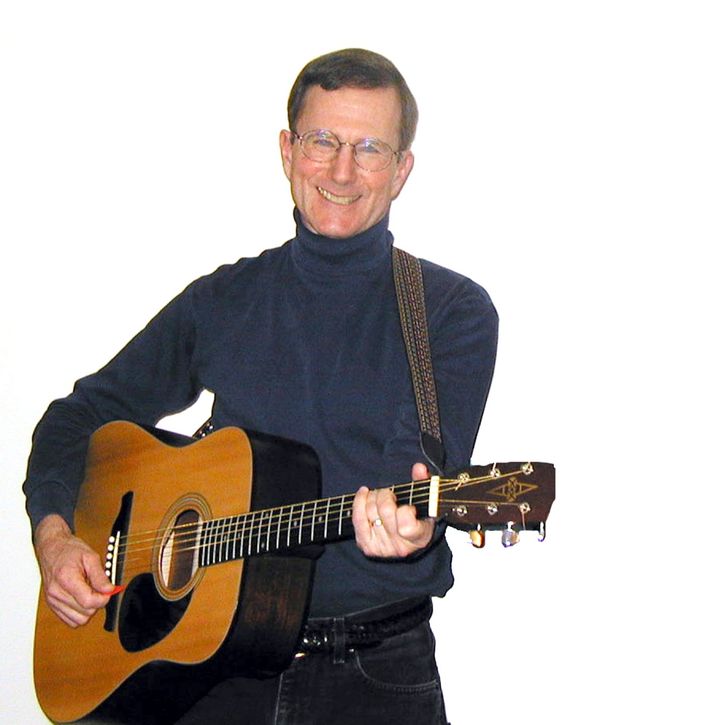
Tom Romano is a professor emeritus of Miami University. His most recent book is a memoir, A Boyhood at Red’s: Growing up in My Dad’s Neighborhood Bar.