
Observations: The atomic age and me
"My father was a Japanese language officer, who interrogated prisoners and translated captured documents in the Pacific. He also went into Nagasaki after that bomb obliterated the city."
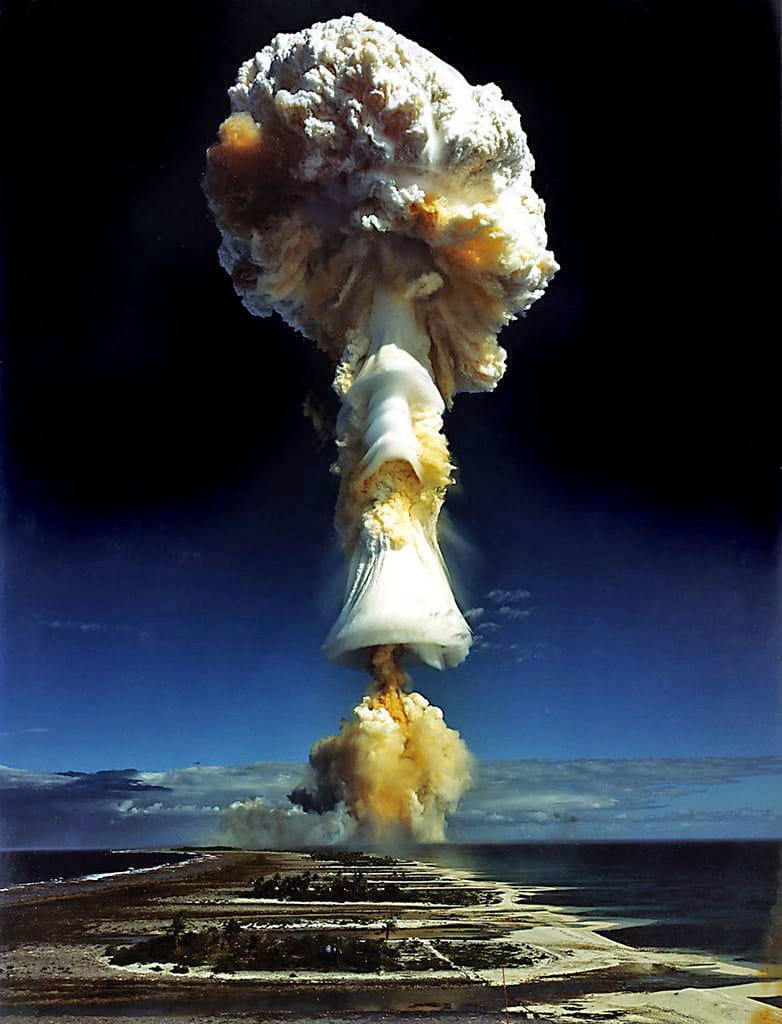
I am a child of the atomic age. I was born in 1945, while World War II was still going on and just before the United States dropped the first atomic bombs on Hiroshima and Nagasaki.
My father was a Japanese language officer, who interrogated prisoners and translated captured documents in the Pacific. He also went into Nagasaki after that bomb obliterated the city. And he came home sick at what he had seen.
The bomb hung over me and my classmates. In my elementary school days, I was part of the cohort that had to practice “duck-and-cover” drills. During atomic bomb drills, much like fire drills, we had to cover our heads and kneel under our desks. As the older kids told us, we were supposed to “cover our head and kiss our ass goodbye.” As I grew older, I remember the debates over bomb shelters. If you had a shelter of your own, were you obligated to let a neighbor, who didn’t have one, come into yours?
As a freshman in college during the Cuban Missile Crisis of 1962, I was terrified that the world was on the brink of nuclear war. We escaped catastrophe then, but we’re now aware that it was a close call.
After getting a Master’s degree, I joined the Peace Corps in the Philippines. Before coming home, I made two trips to Japan, where I visited both Hiroshima and Nagasaki.
In Hiroshima, there was an impressive museum, which gave a vivid account of the devastation to the city. In Nagasaki, the museum was in an old frame house, run by a Quaker group. I went through the displays, then spent the rest of the day helping the director shingle the roof of the establishment.
On a subsequent trip to Japan, I was delighted to see an impressive museum, like the one in Hiroshima, in Nagasaki.
As I went to graduate school, and then began to teach, I realized that I really wanted to write about the nuclear age. A project on civil defense turned into a book on the entire atomic age, which led to courses and lectures about this period.
On still another trip to Japan, with a group from Earlham College, I was asked to lecture about the bombs while on the Hikari, the bullet train that took us to Nagasaki. As I stood in the aisle and spoke to our group, a number of Japanese tourists came to listen. Much to my surprise, when visiting a department store a few days later, a Japanese woman came up to me and complimented me on the lecture on the train.
In my book, I wrote extensively about arms control, the Limited Test Ban Treaty, the SALT treaties and the START treaties. All of those played some part in making the world a safer place, limiting the spread of nuclear weapons and maintaining an always fragile peace.
And now, just two weeks ago, the United States has let lapse the New START treaty after a decade and a half. It capped the numbers of warheads and nuclear missiles in the US and Russia. And though Russia offered to extend it for another year, President Donald Trump declined that offer, declaring that the treaty was flawed and that he could do better. But meanwhile, in our fragile world, we are left with nothing at all. And to make matters worse, the President has voiced his determination to begin nuclear testing again, and to rebuild our nuclear establishment.
In one of the most senseless policies in an administration already threatening international stability, this approach endangers the life and well-being of us all.
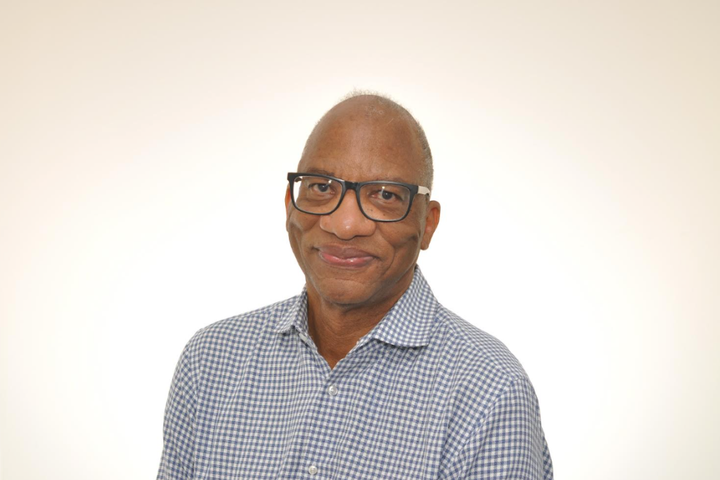
Allan M. Winkler is a University Distinguished Professor of History Emeritus at Miami University, where he taught for three decades. He serves on the Board of Directors for the Oxford Free Press.