
Observations: War
"When that service was over and I was back in graduate school, the very first draft lottery took place during my first year and it was a harrowing time."
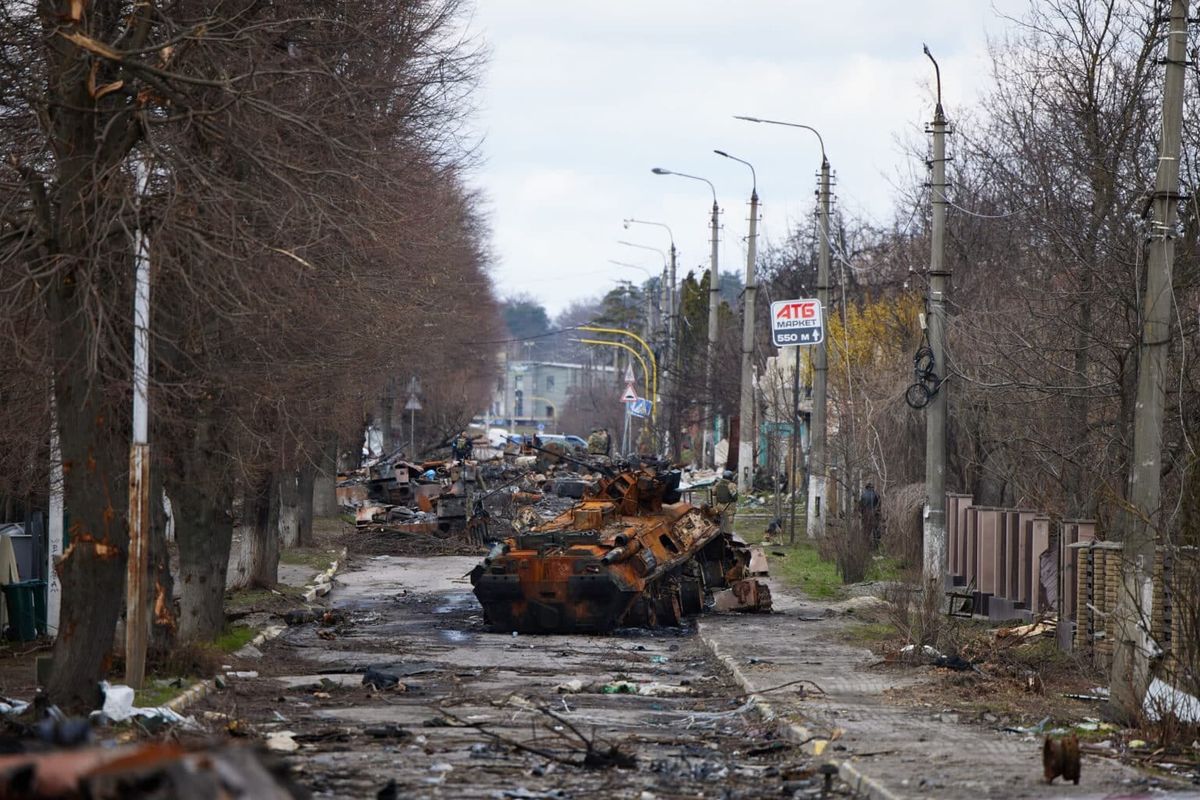
My life has been framed by episodes of war.
I was born in 1945, before World War II came to an end. My father was a naval intelligence officer, stationed in the South Pacific. He was on a destroyer heading into port and his commanding officer asked him if he wanted to go into town or to remain on shipboard. My father replied that his wife, my mother, was about to have a baby, me, and he preferred to go ashore to see if there was any mail about my birth. He did so, and soon after, the ship was hit by one of the first Japanese kamikaze attacks, and everyone at his battle station was killed. The family told me that I had saved his life. And that story has stayed with me as I have studied the war in much of my professional life.
I have less of a personal sense of the Korean War, even though I remember hearing about it, seeing the film “Pork Chop Hill” and teaching about the conflict over the course of my career.
But the Vietnam War was something else altogether. I was part of the generation of students coming of age in the 1960s and the war was very much on my mind. I can recall going to anti-war rallies and marching against the war. During my two years in the Peace Corps in the Philippines from 1967 - 1969, I was well aware of American soldiers coming over for rest and relaxation, or more sadly, to recover from battle wounds.
When that service was over and I was back in graduate school, the very first draft lottery took place during my first year and it was a harrowing time.
That same year, an anti-war protest at nearby Kent State University left four students dead, nine wounded and the entire country traumatized.
I did not have to serve in Vietnam, but my wife Sara and I were fortunate enough to travel there many years after the war was over. Being there was such a powerful experience that, on my return, I arranged to teach a Senior Seminar in Miami University’s History Department for 15 students on the Vietnam War and over spring break, I took the entire class to Vietnam for 10 days. It was one of the best times teaching in my entire career.
And now, many years later, we find ourselves in another war – this one undeclared.
In my more than 40 years of teaching, I shared with my students President Woodrow Wilson’s agonized request to Congress for a declaration of war. Wilson knew what he was getting into, but also what he had to do. Over the years, I taught about President Franklin D. Roosevelt’s response to the dastardly Japanese attack on Pearl Harbor.
“Yesterday, December 7, 1941, a date which will live in infamy,” FDR began, and secured the Congressional support for what he knew we had to do.
Even George W. Bush went to Congress when he believed he had to wage war in Iraq. We now know his request was fraudulent – there were no “weapons of mass destruction” – but the important thing is that he had Congressional approval.
Not so with our current incursion into Iran. This undeclared, unjustified conflict continues to wreak havoc on our nation, and the world. War has long been a part of my life. I can only hope that this one ends without too much damage to us all.
Allan M. Winkler is a University Distinguished Professor of History Emeritus at Miami University, where he taught for three decades. He serves on the Board of Directors for the Oxford Free Press.