

On My Plate: Pi Day and St. Patrick’s Day
"The transformation of the holiday into a raucous celebration of Irish culture is largely the work of 19th century Irish immigrants in the United States. My favorite St. Patrick’s Day event is the dyeing of the Chicago River to a brilliant, fluorescent, emerald green."
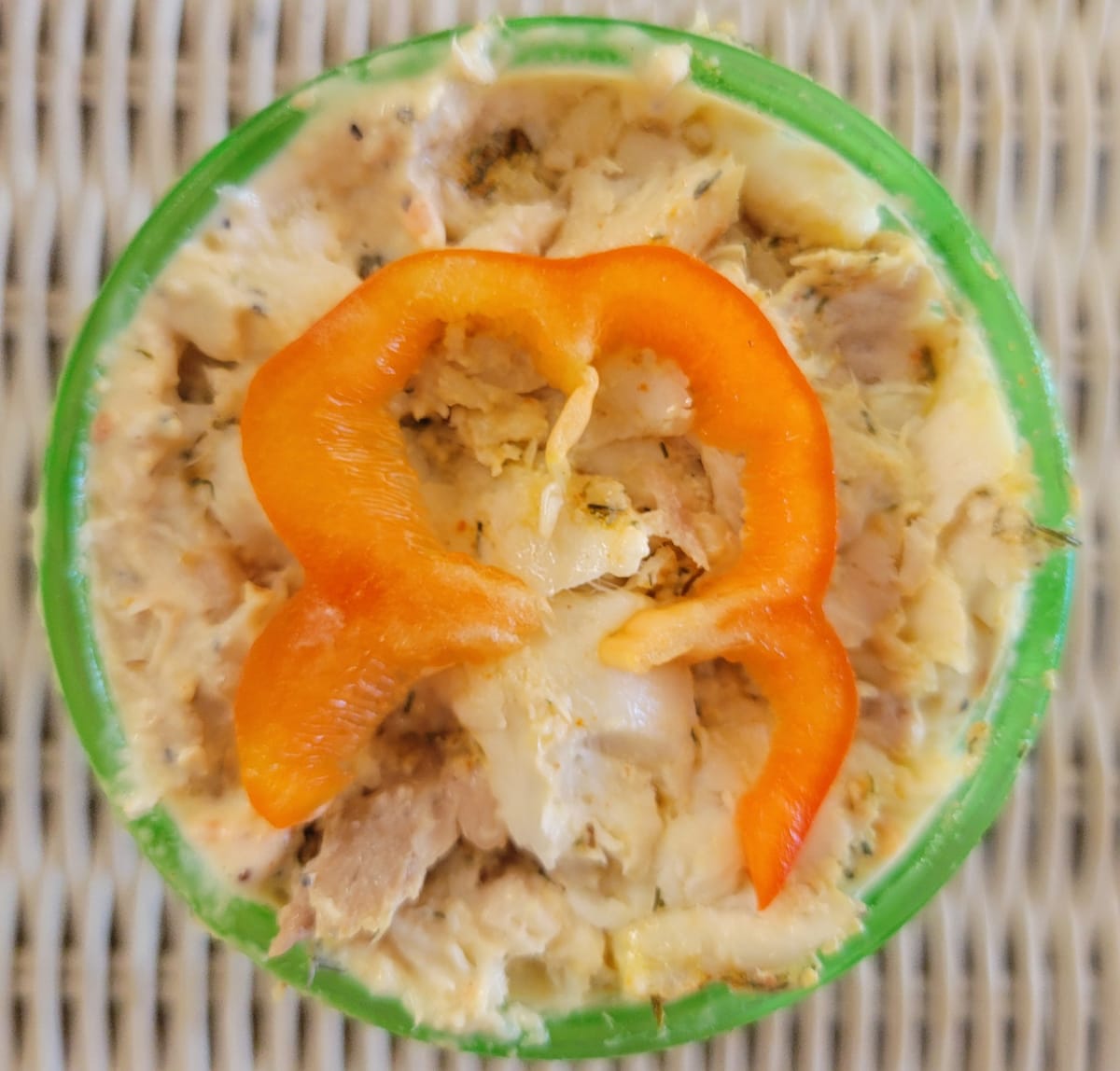
Two distinctively American holidays are upcoming in the next few days – Pi Day on March 14 and St. Patrick’s Day on March 17. Both holidays feature typically American food.
Pi Day is observed in honor of the first three digits of the Greek letter pi (3.14), when it is used to measure the circumference or area of a circle. A special moment during Pi Day occurs at 1:59 p.m., in honor of the first six digits of pi (3.14159).
Why is Pi Day only an American holiday? After all, pi is a Greek letter, and calculating the area and circumference of a circle is universal. According to Wikipedia, the United States is one of only a few countries in the world that writes the month before the day, whereas most of the world writes “14.3,” so of no relevance to Pi.
Mathematicians around the country honor March 14 with exciting competitions, such as who can accurately state the most digits in pi. According to piday.org, pi has been calculated to over 50 trillion digits. My colleagues at the Federal Reserve Bank of Chicago, where I am a consultant, hold a trivia competition. For example, what is the one-millionth digit? It’s two.
Pi Day is a big deal at Rochester Institute of Technology School of Mathematical Sciences, where my nephew teaches. Math students and staff either bake fruit pies or consume them as judges. Which would you prefer to do?
A fruit pie is the obvious food to prepare for Pi Day, and this is also distinctively American. Other languages don’t use the word “pie” to describe a dessert, and even the British use “pie” for a meat dish, such as steak and kidney pie or shepherd’s pie.
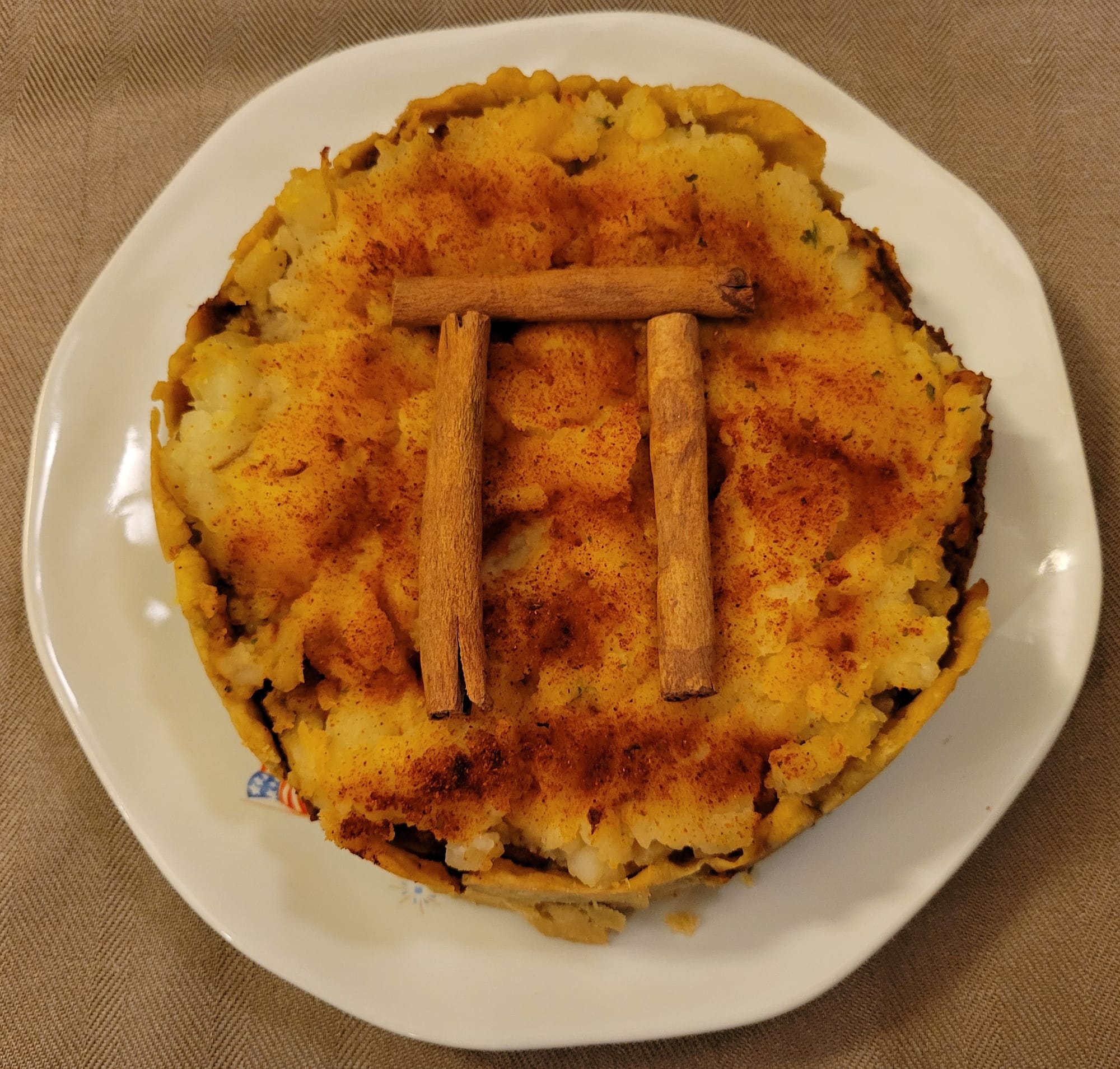
St. Patrick’s Day is also distinctively American in observance and cuisine. Nominally, the holiday marks the day that Saint Patrick, the patron saint of Ireland, died. It was made an official Christian feast day in the 17th century.
The transformation of the holiday into a raucous celebration of Irish culture is largely the work of 19th century Irish immigrants in the United States. My favorite St. Patrick’s Day event is the dyeing of the Chicago River to a brilliant, fluorescent, emerald green.
The green dye clearly illustrates that the Chicago River flows the “wrong” way. That is, the Chicago River flows inland, rather than into Lake Michigan, as nature intended. The river’s course was reversed in 1900 to minimize the flow of waste into Lake Michigan.
The food most associated with St. Patrick’s Day in the United States – corned beef and cabbage – is unknown back in Ireland, according to an Irish friend who lives most of the year in Dublin. Irish immigrants in New York found the corned beef in Lower East Side butcher shops operated by Jewish immigrants. Our Irish friend reports that back in Ireland, fish or perhaps some lamb would be on the menu for St. Patrick’s Day.
Oxford’s unfortunate tradition of Green Beer Day is definitely not genuinely Irish, because the holiday was originally a solemn observance of a patron saint. Given that the color green is traditionally Irish, Oxford has seen other celebrations, such as Green Tea Wellness Day.
If you bake a pie for the two holidays, make sure you place the Greek letter in the center of it, or you can have everyone calculate the area or circumference of your pizza.
James Rubenstein is president of the Board of Directors for the Oxford Free Press and professor emeritus of geography at Miami University.