
What Four Mile Creek can teach us about sustainable development
A citizen’s guide to protecting Four Mile Creek and its watershed
Editor’s note: The views expressed in this article are solely the author’s and do not represent those of Miami University, the City of Oxford or any other institution with which the author is affiliated.
In a previous column in The Miami Student, I wrote about the potential loss of a historic Osage orange tree threatened by Miami University’s proposed arena project. That tree is only one example of the environmental issues raised by the proposed arena district, including wildlife habitat, bird collisions and climate change.
After several years as an attorney in the U.S. Environmental Protection Agency (EPA), I now teach environmental law, and the goal of my earlier article was to engage Miami students in the ethical issues we discuss in my classes. However, my expertise is water pollution law, as my previous work focused on enforcing the Clean Water Act (CWA). For that reason, I now want to focus on how the project could affect Four Mile Creek and the surrounding watershed.
People might assume federal environmental laws can easily prevent projects like the arena from harming nearby streams, but it’s actually very complicated. The proposed arena district sits on high ground immediately west of Four Mile Creek. During rainstorms, gravity will do what it always does – carry water downhill. As rainwater flows across parking lots, sidewalks, rooftops and construction sites, it picks up sediment and other pollutants before entering the creek. That simple reality makes stormwater runoff one of the project's most important – and least discussed – environmental consequences.
Currently, the State of Ohio is providing funds to the Butler County Soil and Water Conservation District (Butler SWCD) to restore portions of Four Mile Creek in the valley east of Cook Field. These funds will be used to remove a low-head dam on Four Mile Creek near Ruder Preserve and to restore a portion of the stream obstructed by a sewer line, which impairs water flow and the migration of aquatic life.
Both of these actions are designed to improve the water quality of Four Mile Creek, which has been designated by the Ohio EPA to support a “warmwater habitat.” Ideally, the creek would be a suitable habitat for species such as smallmouth bass, sunfish, minnows and darters. However, Four Mile Creek does not currently meet this water quality standard and is considered to be “impaired.” That means meaningful action is necessary to restore the water quality in Four Mile Creek.
The CWA, enacted by Congress in 1972, has dramatically improved the quality of the nation's rivers and streams by controlling pollution discharged from factories, wastewater treatment plants and other identifiable "point sources." It has been far less successful in addressing pollution carried by stormwater runoff. Sediment, fertilizers, petroleum products and other pollutants washed from developed landscapes remain among the leading causes of water quality impairment in streams such as Four Mile Creek.
Sediment and other surface contaminants harm streams by smothering aquatic organisms that live in the stream’s gravel substrate, including aquatic insects and fish eggs. The fertilizers and pesticides cling to sediment particles, making them even more lethal to aquatic life. Sediments are one of the primary contributors to the impairment of Four Mile Creek’s water quality, and the Ohio EPA has adopted a Nonpoint Source Implementation Strategic Plan to address it.
Some of the greatest potential for sediment pollution will occur during the construction phase of the arena project, when earthmoving equipment removes vegetation, disturbs soils and exposes underlying sediment to precipitation. During storm events, rainfall can mobilize this sediment and transport it by overland flow into Four Mile Creek. Although many forms of nonpoint source pollution remain largely outside the scope of the CWA’s regulatory program, stormwater discharges associated with large construction projects such as the proposed arena are regulated as point sources and require coverage under a general permit issued by the Ohio EPA.
Unlike traditional wastewater permits, which often establish specific numeric effluent limitations (for example, limiting the concentration of a pollutant in a discharge to a specified amount), construction stormwater permits generally rely on best management practices designed to prevent or minimize pollution before it leaves the site. These requirements typically include measures such as limiting earth-disturbing activities during wet weather, installing and maintaining sediment controls such as silt fences around disturbed areas and stabilizing exposed soils.
Although construction general permits are less detailed than permits issued to traditional industrial point sources, they remain fully enforceable under the CWA. If the university fails to comply with the conditions of its permit, it may be subject to enforcement by regulatory authorities and, in appropriate circumstances, by citizens acting under the CWA’s citizen suit provisions.
This is where the vigilance of the Oxford community can play an important role. Although residents may feel powerless when confronting large, well-funded and politically influential institutions, Congress deliberately provided them with the ability to act as “private attorneys general” by authorizing citizen enforcement actions. Locals can help protect Four Mile Creek by observing construction activities, reviewing publicly available permit documents and bringing potential violations to the attention of the appropriate authorities. Potential violations can be reported by submitting a form to the Ohio EPA.
Citizens do not need to be environmental engineers or scientists to play this critical role. Often, the most important contribution is simply paying attention: noting whether required erosion controls are in place, whether sediment is leaving the construction site and whether Four Mile Creek is discolored from sediment.
One of the strongest deterrents to environmental violations is a polluter’s knowledge that its compliance is being observed by others – not only by regulators, but by the local community. Public awareness can also be a powerful incentive for institutions to address problems before they become more serious. In the end, the most effective guardians of Four Mile Creek are the citizens who care enough to ensure that its protections are honored.
Once construction is complete, the potential threats will not end, and continued vigilance will remain necessary. The new arena will bring large areas of impervious surface, including asphalt parking lots designed to accommodate event traffic. Unlike natural landscapes, impervious surfaces prevent rainfall from infiltrating into the soil and result in more runoff.
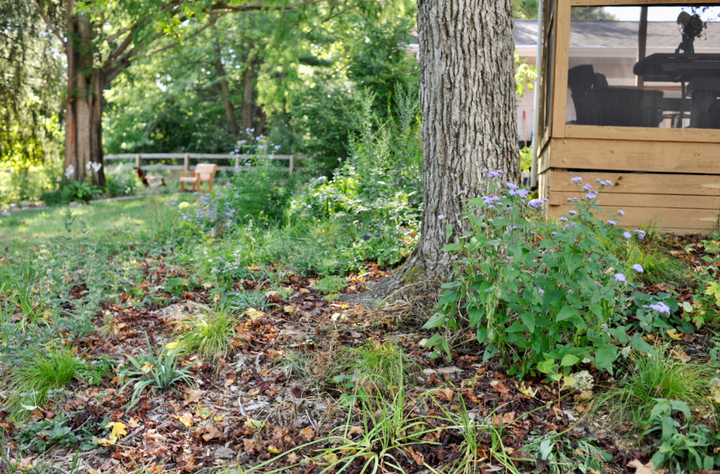
Miami can reduce these impacts by incorporating green infrastructure into the arena’s design. Green infrastructure uses natural or nature-based systems to manage stormwater close to where it falls, mimicking the ability of undeveloped landscapes to absorb, filter and store rainfall. Examples include rain gardens, which are shallow landscaped depressions planted with native vegetation that capture and filter runoff; bioswales, which are vegetated channels designed to slow stormwater flows and trap sediment and pollutants; and permeable pavement, a porous alternative to conventional traditional asphalt and concrete that allows rainfall to infiltrate into the underlying soil rather than flow directly toward streams.
Unfortunately, the CWA does not require most developers or institutions to incorporate these types of sustainable stormwater practices. It is primarily designed to regulate discharges of pollutants, not to preserve the natural hydrology of undeveloped landscapes.
Nevertheless, many responsible landowners and communities are increasingly incorporating green infrastructure because it provides a practical way to reduce flooding, improve water quality and protect the streams and watersheds that sustain their communities.
The arena district could become a showcase for sustainable development. Nothing in the current proposal suggests green infrastructure will be emphasized, but nothing prevents Miami from incorporating these sustainable features.
Miami University is assisting in Butler SWCD’s restoration of Four Mile Creek because the creek runs through Miami’s natural areas. It is somewhat ironic that Miami is helping restore the biological integrity of Four Mile Creek by supporting the removal or modification of human-made structures that impair water quality while simultaneously undertaking a major development that could create new stressors on the same watershed. The arena project need not undermine the university’s environmental progress, but its long-term impacts will depend on how Miami incorporates measures to address these concerns.
It would be unfair to presume Miami will ignore these issues. The university has made significant strides in advancing sustainability initiatives across campus. However, the limited public discussion of the arena project’s potential environmental impacts, particularly when compared with the prominent emphasis on its economic, athletic and reputational benefits, raises legitimate questions about how sustainability considerations will be incorporated into the project’s design and operation.
A university committed to environmental leadership has an opportunity not merely to comply with minimum regulatory requirements, but to demonstrate how major campus development can coexist with the protection and restoration of the natural resources that surround it.
Protecting Four Mile Creek does not require impossible choices or prohibitively expensive measures. It requires thoughtful planning, a willingness to look beyond minimum requirements and a recognition that sustainability must be incorporated into major decisions – not added after those decisions have already been made.
A truly sustainable arena district will require a different mindset than simply completing a project on time and under budget. It will require Miami to demonstrate that economic development, institutional goals and environmental stewardship are not competing priorities, but complementary responsibilities. The construction of this arena presents an opportunity for the university to demonstrate that the principles it teaches in its own classrooms can also guide decisions about how it expands its physical facilities.
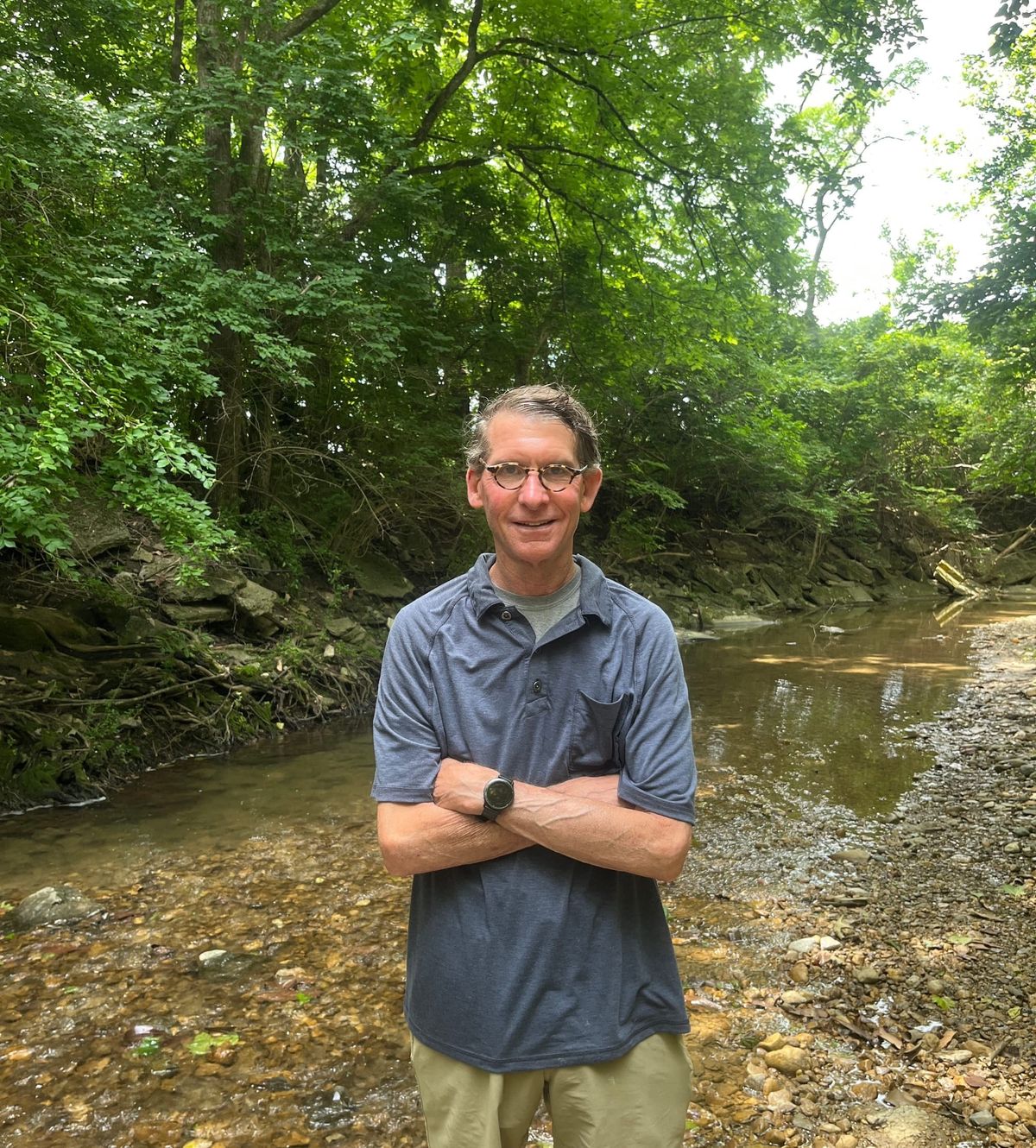
James Vinch is a former attorney at the United States Environmental Protection Agency. He is currently a member of Oxford’s City Council and an adjunct faculty member in Miami’s Institute for the Environment and Sustainability. He also serves on the Board of Trustees of the Three Valley Conservation Trust.