
Wild Ones 101: In defense of weeding
“It feels so good to take back a feeling of control.”
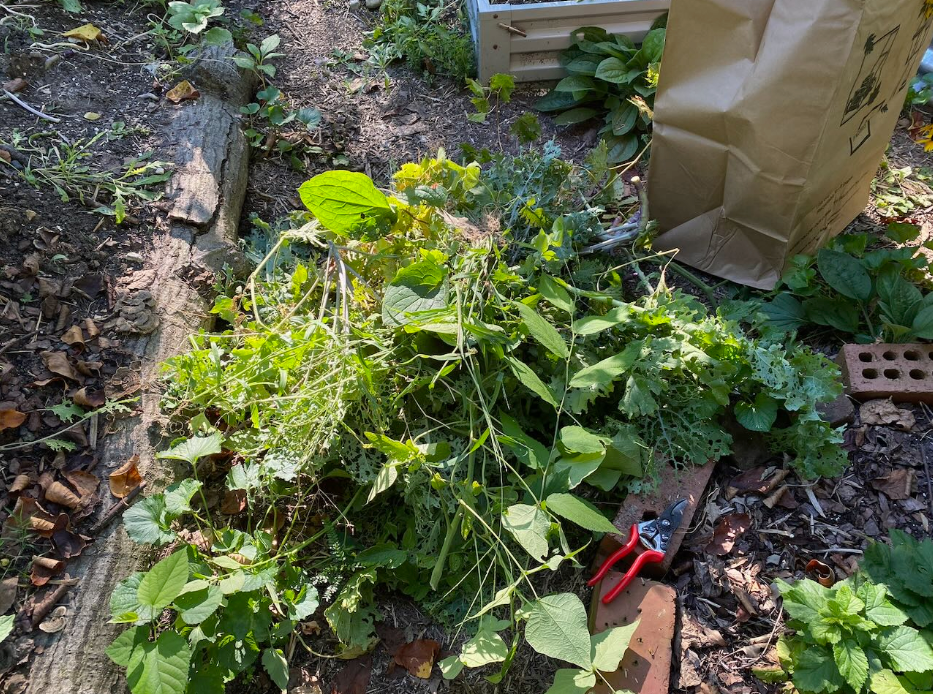
A client recently wrote to me with a garden update. She was sharing the joy she was feeling about all the beauty in her yard from blooms to birdsong. She also shared how good she felt after weeding Canada thistle from a garden we planted together (it’s not from Canada – don’t blame them).
“It feels so good to take back a feeling of control,” she said.
A tenacious weed like that can be disheartening. It will come back, but when cut to the ground before flowering, it won’t be as strong as before. With repeated management like this, it can eventually disappear from the garden. However, her comment is what got me thinking about weeding. I’m going to share that journey with you now.
Humans evolved alongside plants. They are integral to our survival and continue to be a major part of our daily lives. We eat and dress ourselves in plant products, we build and heat our homes with plants, the air we breathe is renewed by them, being around plants can reduce stress and cortisol levels and so much more. Life cannot exist without plants and life for humans is improved in the presence of them.
What does any of this have to do with weeding? For one, it brings us closer to plants and requires us to interact with them, which can make us feel good. Weeding a garden is one of those tasks that can feel like a big overwhelming chore, but it doesn’t have to. By this point in the summer, maybe things in your garden you were excited about in the spring have gotten away from you a bit (or lot). You went on vacation and came home to a jungle and then it was too hot and humid to be out for very long, it happens. My rain garden was sporting a 6-foot-tall wild lettuce stalk when we returned from a long trip in mid-July. Full disclosure, as I write this, the stalk still stands, but hasn’t flowered yet, so I’m not worried about it.
I encourage you to dive into that mess. If you feel overwhelmed, let’s compartmentalize and start small.
First, is there a plant that you don’t want which is flowering and making seed? If so, start with cutting those seed heads out before they disperse to provide more weeds for next year. Your future self will thank you.
Next, mark out a 5-by-5-foot area or set a 15-minute timer to weed within. When the space is weeded or the timer is up, step back and look at your progress. Do you see or feel a difference? Does it feel at least a little good? If you’re feeling good, set another boundary and keep going. If you need a break, come back later. The garden will wait for you. Alternatively, select a weed and focus just on that plant. The client that inspired this article works this way when she’s overwhelmed with the status of the garden.
When you don’t know what the weeds are or can’t decide what should be pulled, there are free apps to help with that. Seek, iNaturalist, Google Lens and more are great for identifying plants and insects. It’s good to know the names of the plants and learn a little about them. I use ID apps all the time. They are fantastic tools. Many plants that have been deemed weeds by horticulture and lawn companies are native plants that have evolved here and support local wildlife. Many of them, not all, I let grow in my yard, more in the backyard than the front.
I hope you will enjoy that garden exercise. I usually do and it’s usually when I have my best garden observations. Getting close to the plants lets me see how they are growing and how they are being used by wildlife. This week, I found what appeared to be an egg mass on an oak leaf from last year. They looked like tiny white pearls. I don’t know what they will become, but I tucked them back under the plants. I also found some plants that I forgot were in the bed. They were struggling under the pressure of their neighbors, so I dug them up and planted them in a new place where I hope they will thrive. The garden is a community of living things, always changing and evolving, as the gardener, you are the referee.
After that weeding session, I felt like I had regained some control like my client had, not over the garden, but in my life. There are so many big problems in our world that feel insurmountable (climate change anxiety is what led me to start a landscaping business). Visiting my garden to pull a handful of weeds, cut a bouquet of flowers for a friend or check on our monarch caterpillars make me feel grounded. In doing this, I’ve given something back to the earth so it can continue to support me and my family. With that gift of reciprocity, I can face the daily stresses and do my part to make the future better for my children. All from pulling a few weeds.
Want to learn more about the insects in your yard? Oxford Lane Public Library is hosting “Moths: the darker side of butterflies with Jim McCormac” on Saturday, Sept. 26, 7-8:30pm. McCormac is a charismatic speaker, it will be a great way to spend a Saturday night!
Kelsey Vance is a Wild Ones Miami Valley board member and owner of Wild Edges Landscaping LLC (www.wildedgeslandscaping.com), a landscape design company focused on using native plants to create beautiful and ecologically mindful landscapes.