
Afterschool fishing club gets Talawanda students off their screens and outside
“It’s way better than sitting at home playing a video game. It’s a chance to get outside and learn how to do something with your hands, and work on a skill because it does take skill to catch a fish.”
Scott Whiteman, a now-retired history teacher from Talawanda Middle School (TMS), started a fishing club when the school opened in 1989.
It began when the staff created an activity period during the school day for kids to have something to look forward to – a kind of exploratory program – inspired by research they conducted about successful extracurricular activities in middle schools.
This is when Whiteman, a fisherman himself, founded the club. He became a certified aquatic instructor for the State of Ohio and hosted club meetings during the activity period.
Soon after, Whiteman extended it to an afterschool club. John Brinck, a current eighth-grade history teacher at TMS, took over the club when Whiteman retired in 2020. Whiteman now serves as the assistant adviser and teaches kids how to make lures – artificial, inedible devices used to attract and catch fish – and helps them fish.
“It’s a passion, and sharing that with kids is very rewarding,” Whiteman said of fishing.
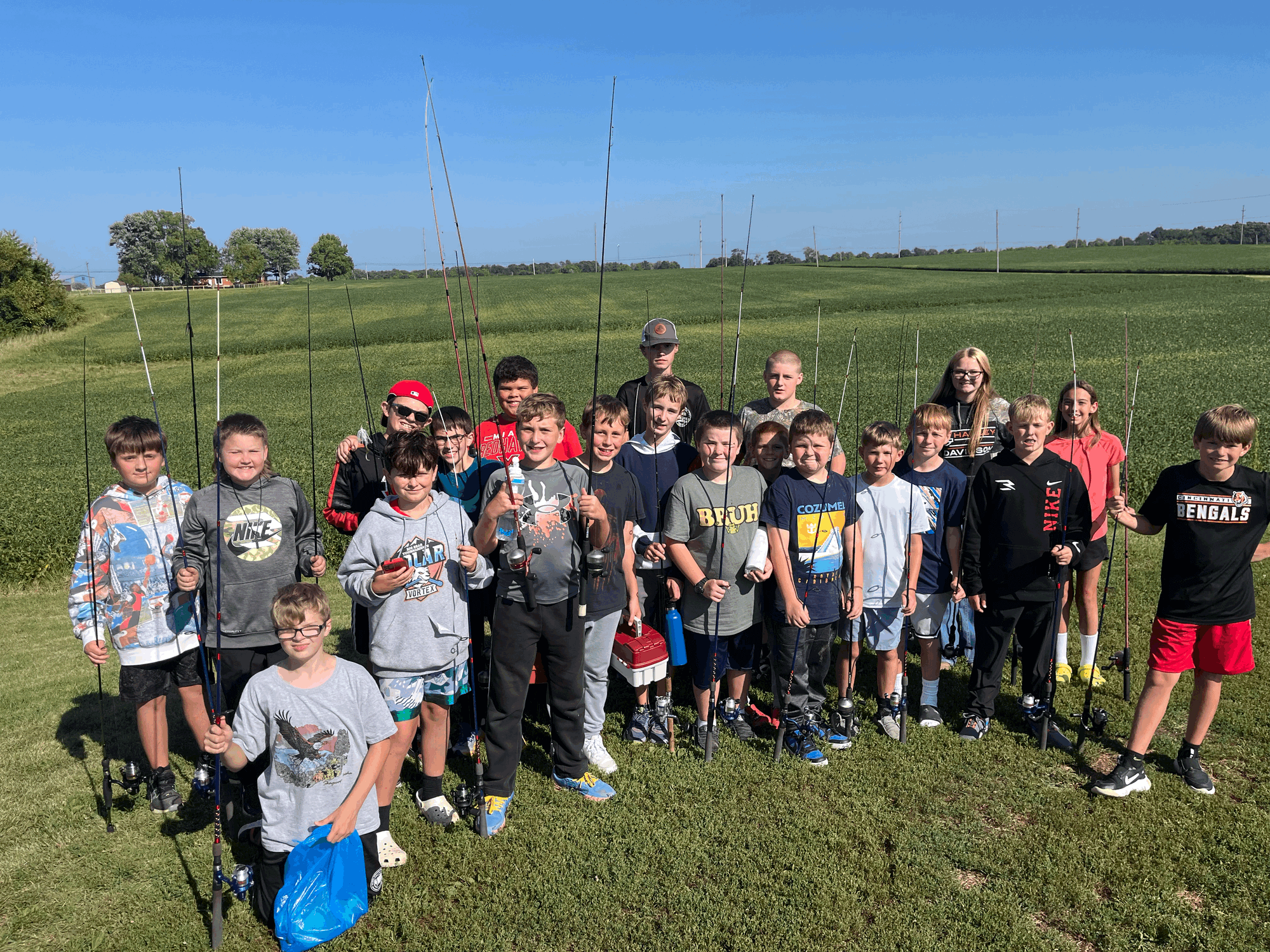
The club’s schedule is based on the weather. Brinck tries to take the group fishing at least twice a week during the school year, when the weather permits, from about 2:30 to 4:45 p.m. In the winter months, students make lures and fishing-themed crafts.
The club fishes on a property with a very large pond that’s about a 10-minute walk from the school. The owner, Daren Redpath, permits the club to fish there.
Brinck and Whiteman used to take students to the Schwab Family Farm Market to fish until the pond got filled in.
“We were looking for a new place to go and (Redpath) was gracious,” Brinck said. “And we’ve been having fun ever since.”
Around 60 to 75 students sign up for the club each year. As long as they receive parental permission, they can participate in all activities.
“This is a great opportunity for children to get outdoors, to be a part of the environment and to learn how to interact with nature,” Whiteman said.
Not all students fish at the same time. Brinck hangs a sign-up sheet and takes about 20 to 25 students to the pond at a time.
“I just like watching the kids interact,” Brinck said. “They get excited when somebody catches a fish, and they want to run over and see what it looks like.”
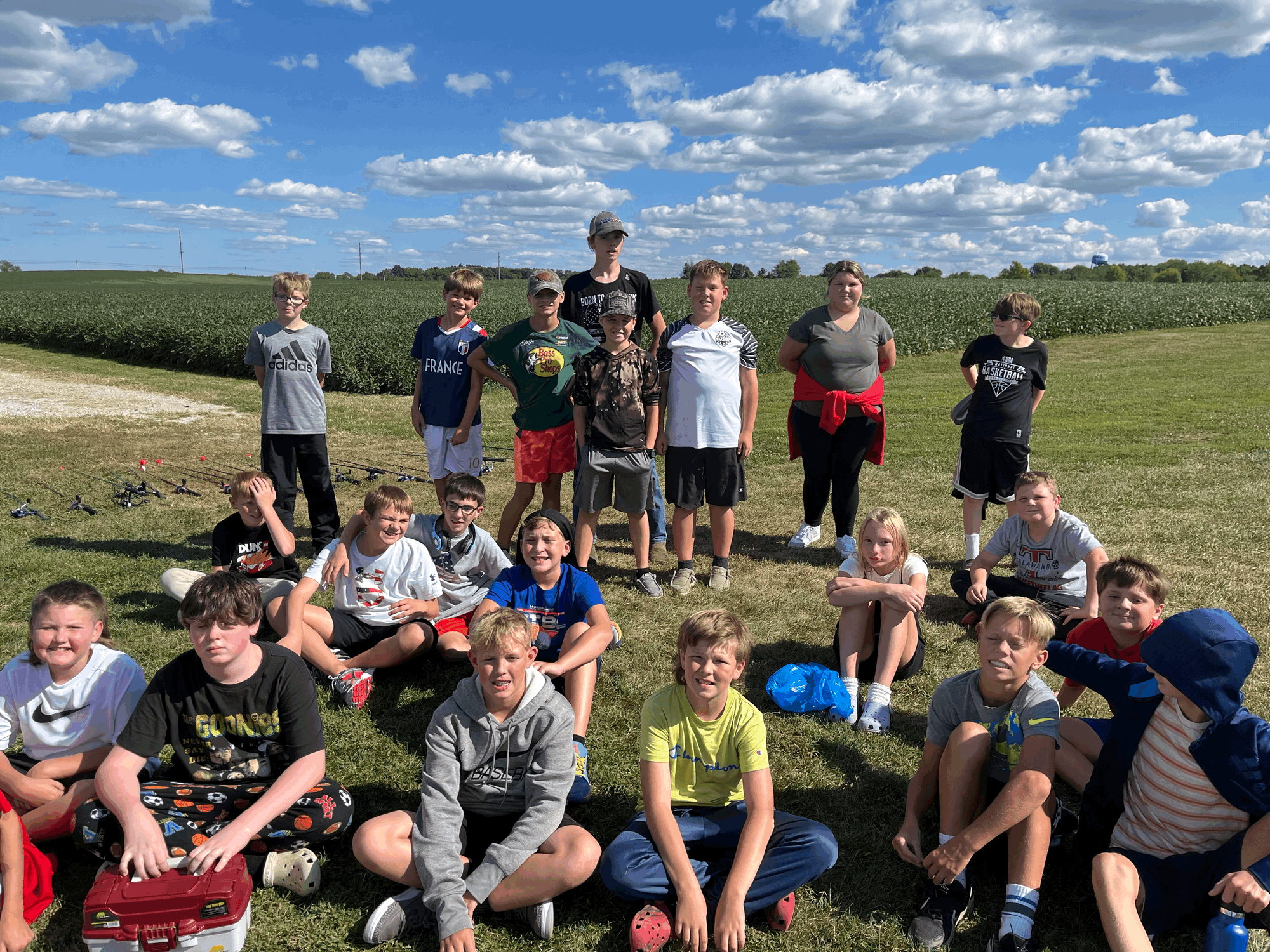
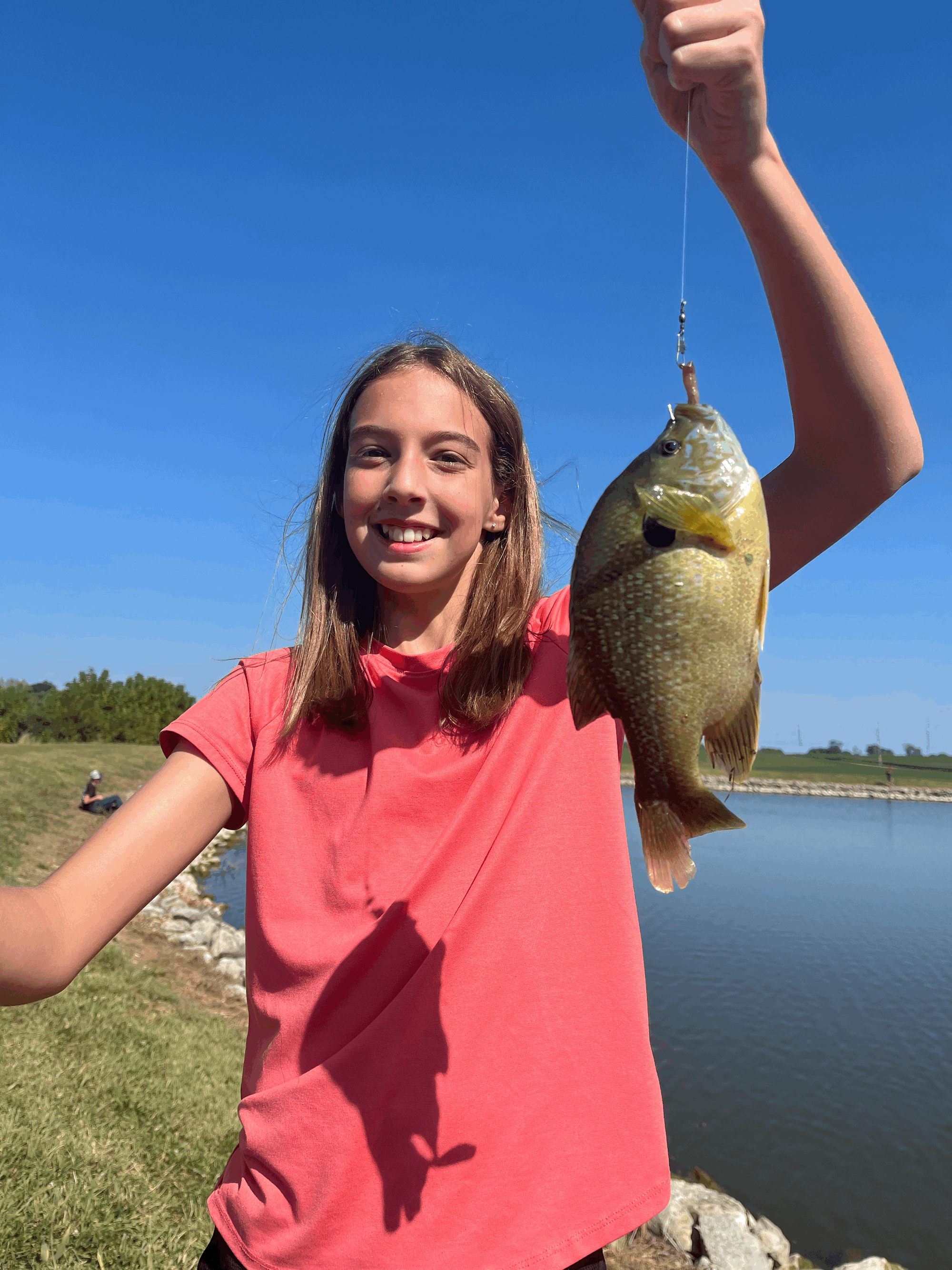
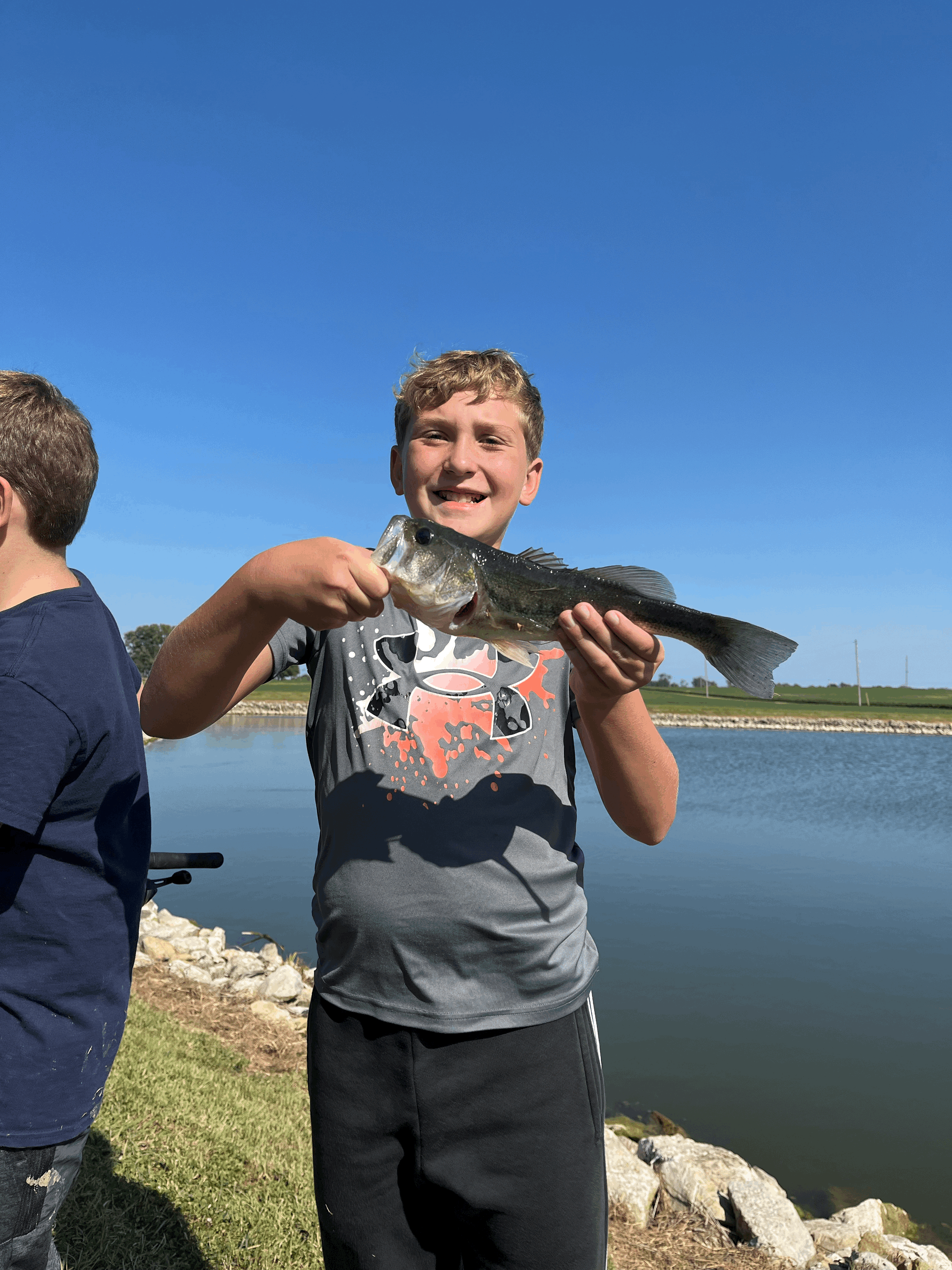
John Brinck, current adviser of the club, takes about 20 to 25 students to fish at one time. A club participant shows off a caught fish. Students celebrate with each other when a club participant catches a fish. Photos by John Brinck.
The club includes a range of students, from first-time fishers to those more experienced, sixth graders to eighth graders and both girls and boys. Brinck said it’s usually a lot of sixth graders, since they aren’t allowed to participate in sports until seventh grade.
“It’s a nice way to meet people,” Brinck said of the club. “Especially if you’re a sixth grader and you want to get to know kids as soon as you can and make new friends.”
Brinck received grants from the Butler Rural Electric Cooperative, which allowed him to buy rods and reels for all the kids to use. Now, the club’s supply is so abundant they can handle a good number of students who want to participate.
A large portion of students fish on their own outside of school, but the club allows students to work on teamwork and leadership.
“A lot of them really work together, like the experienced people help out the ones that don’t know a whole lot, and basically my job is just either helping them beta hook or take a fish off a hook, that kind of thing,” Brinck said.
Brinck said he’d like to find a way for the club to continue meeting over the summer. Within the next couple of years, he hopes to take a small group of students on a fishing trip to Lake Erie.
“It’s way better than sitting at home playing a video game,” Brinck said. “It’s a chance to get outside and learn how to do something with your hands, and work on a skill because it does take skill to catch a fish.”