
THS makes pre-apprenticeship pathways available to students
“At Talawanda, we want to make sure kids are ready for the next phase of life, whatever that is … so we want to make sure that we are providing as many opportunities as we can for kids.”
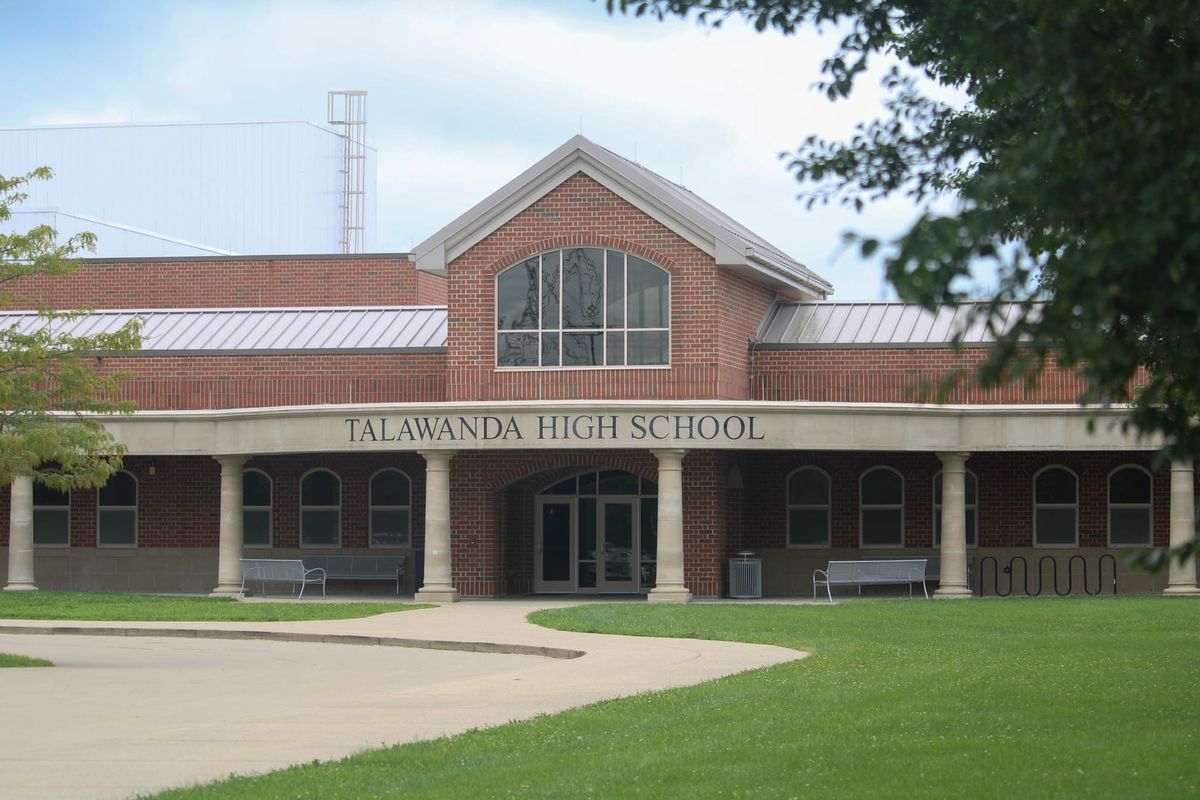
Since the start of this school year, Talawanda High School (THS) students have had access to state-recognized pre-apprenticeship programs to prepare them for careers in six fields.
Talawanda High School Principal Scott Davie said the programs are the “next step” in the progress the school has been making over the past few years to ensure “high quality avenues” to the future goals of all students, including by offering college credits and dual enrollment classes.
“Pre-apprenticenships is sort of that next evolution in terms of career-based education and starting to get (students) a little more focused and a little more tapped into areas of interest,” Davie said.
Students wishing to participate in the program start by taking the long-standing graduation-required career college readiness course, which allows them to explore what fields they might want to pursue. New to this year, students ages 16 and older can then choose a career cluster of interest from a list of six options, in which they complete online or in-person coursework and are connected with experience opportunities.
The career clusters currently available to Talawanda students through a partnership with the Hamilton County Education Service Center (HCESC), which manages the pre-apprenticeship programs, includes finance, information technology, health sciences, architecture and construction, hospitality and tourism, and manufacturing.
Ryan Barter, an intervention coordinator at THS who works closely with students in the programs, said work-related experience can include attending field trips, listening to a speaker in the industry, shadowing or receiving hands-on training through a local industry partner.
Barter said the pathways were adopted as a reflection of the types of industries already available in the area.
Currently, Davie said HCESC is working on acquiring state approval for pathways in agriculture and education.
“At Talawanda, we want to make sure kids are ready for the next phase of life, whatever that is,” Barter said. “That could be a college route, it could be a two-year program associate’s degree. It could also be going into the career field, and so we want to make sure that we are providing as many opportunities as we can for kids, and one of those opportunities is making sure that they get career-based training while they’re in high school.”
Students who successfully complete coursework and the training hours required by the state – about 30 – may receive a pre-apprenticeship certificate when they graduate. Alongside having workforce connections and knowledge about their chosen field, the certificate can show their experience and interest when applying for higher education or jobs.
“We have students who are already working in the field, and so it’s very easy for them to get to that threshold and say they’ve had an authentic work experience,” Davie said. “The kids who don’t, that’s where it might need to be some job shadowing, some tours of different companies or things like that, so (it’s) just a really highly, highly individualized (experience).”
For example, a student who may be interested in the health sciences career cluster who wants to eventually become a registered nurse or nurse practitioner may gain experience through the program by shadowing at a local health facility. Once they’ve graduated, the experience may help them decide what schooling they want to pursue and other steps they need to reach that goal while providing them with a network.
Some students are already gaining experience in their chosen fields, Davie said, including those who have been completing research at Miami University, running their own businesses or who have jobs outside school. Those students would now have the opportunity to learn more about their field through the specialized career cluster coursework so they know about their options, industry standards and what to expect.
“A lot of high school kids will simply start with just what’s happening today, let alone what’s happening a year from now,” Barter said. “When you talk to a kid about being 30 years old or 40 years old, you might as well ask them (about when) they're 100. It just seems so far out, and so the more we can have it … be real and focused, the more that we're hoping to have them actually have a good plan when they graduate.”
Davie said two THS students have already completed the requirements to graduate with a pre-apprenticeship completion certificate this year, and he expects 25 to 30 completers total in the first year.
“We’re constantly trying to make sure we’re meeting the needs of what education looks like in 2026, 2027,” Davie said.