
Balanced Bites: Strong skeletons need more than calcium
"This holiday season, let’s focus on the magic of herbs and spices. They aren’t just adding flavors, aromas and depth to our cozy winter dishes, they’re also boosting our antioxidant intake and nourishing our bodies at the cellular level."
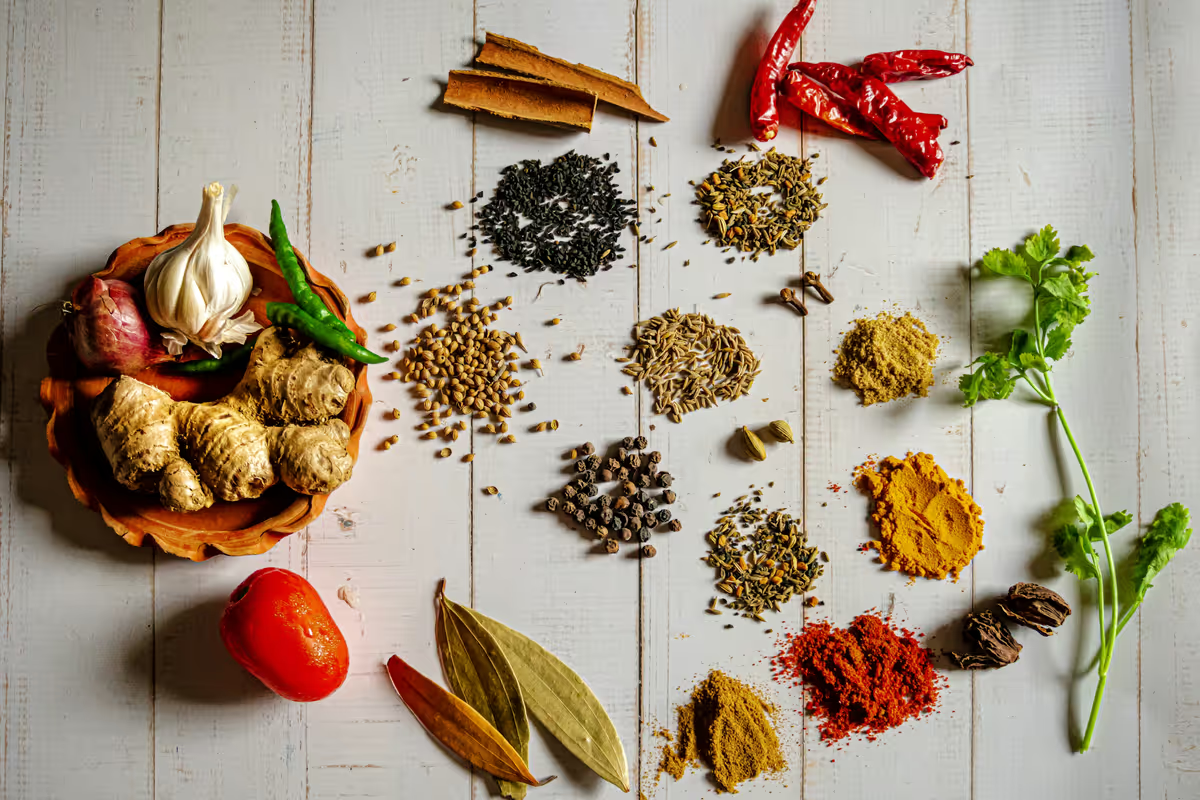
As a dietitian, I love working with my clients on ways to do “nutrition by addition” instead of having a restrictive mindset about how to optimize their wellness. What does that mean? One example is seeing how many servings of fruits and vegetables you can add throughout the week, instead of having a goal to never eat cookies again. A black-and-white mindset will eventually backfire, probably sooner rather than later.
This holiday season, let’s focus on the magic of herbs and spices. They aren’t just adding flavors, aromas and depth to our cozy winter dishes, they’re also boosting our antioxidant intake and nourishing our bodies at the cellular level.
Let’s explore a few!
Ginger
Ginger lowers inflammation, supports our immune system and lowers the risk of chronic disease. Ginger can lower your blood sugar and lab values that measure inflammation. It can also help to soothe an upset tummy, especially if you’re on a long car ride, pregnant or undergoing chemotherapy treatment.
Turmeric
It is a beautiful yellow powder that is a strong anti-inflammatory, just like ginger. Turmeric may lower your risk of anxiety, seasonal allergies and help with rheumatoid arthritis. It may even boost cognitive function, especially in older adults. We aren’t that great at absorbing the helpful compounds in turmeric, but we can boost it by pairing turmeric with black pepper – they’re buddies.
Cinnamon
Cinnamon is another potent anti-inflammatory. Cinnamon is especially helpful for folks with diabetes or prediabetes – it can lower your blood sugar. Cinnamon can also improve your lipid profile (it can raise the “good” HDL and also lower triglycerides and total cholesterol). Got high blood pressure? Regular cinnamon consumption can bring down your systolic and diastolic by a few points.
Thyme
Thyme is a star antimicrobial. Not only can it help take out pathogenic bacteria, but it can also fight against viruses and has the super-cool ability to disrupt microbial biofilms. What is that, you ask? It is kind of like the bad bugs are playing red rover, blocking your immune system from getting through to take ‘em out. The thyme says, “hold my drink,” and busts through the line.
Garlic
Garlic is not only helpful for warding off vampires, but it also can support healthier blood pressure levels, lower your fasting blood sugar and improve your lipid profile. It can also support your natural immune system soldiers – the macrophages, natural killer cells and T and B cells, leading to getting upper respiratory infections less often (and those are less severe).
Rosemary
Rosemary is one of my favorite herbs and can help keep the nervous system healthy, offering protection against injury (and may boost memory). It may be helpful in neurodegenerative disorders. Rosemary may soothe your GI tract, especially if you’re struggling with IBS. Rosemary can also improve your blood sugar metabolism.
This is a round-up of only six herbs and spices, but really, there are potential benefits to all of them. This winter, lean into the cozy by adding cinnamon, ginger and allspice to your hot drinks. Roast your potatoes with a whole lot of garlic, rosemary and thyme. When making a breakfast burrito, take a tour of your spice cabinet before chowing down. Take recipe recommendations for herbs and spices as the bare minimum – add more!
If you haven’t been to the Moon Co-op in a while, check out their bulk spice area. It is a great opportunity to try smaller amounts of herbs and spices that you’re unfamiliar with. Bring your own jars if you have them, or use their containers.
You may also benefit from taking capsules of herbs and spices for a higher dose.
Note: if you take any prescription medications, over-the-counter medications or are preparing for a scheduled surgery, be sure to disclose any herbal supplements that you’re taking. The active compounds in herbs and spices have the potential to interact with your medications or even thin your blood (not a great idea for surgery).
Holly Larson, MS, RD is a local registered dietitian who specializes in women’s health and diabetes management. To learn more, visit hollylarsonnutrition.com - your visit may be fully covered by your insurance plan.