
Butler County schools offer more than just education
But buildings are closing and enrollment is trending downward
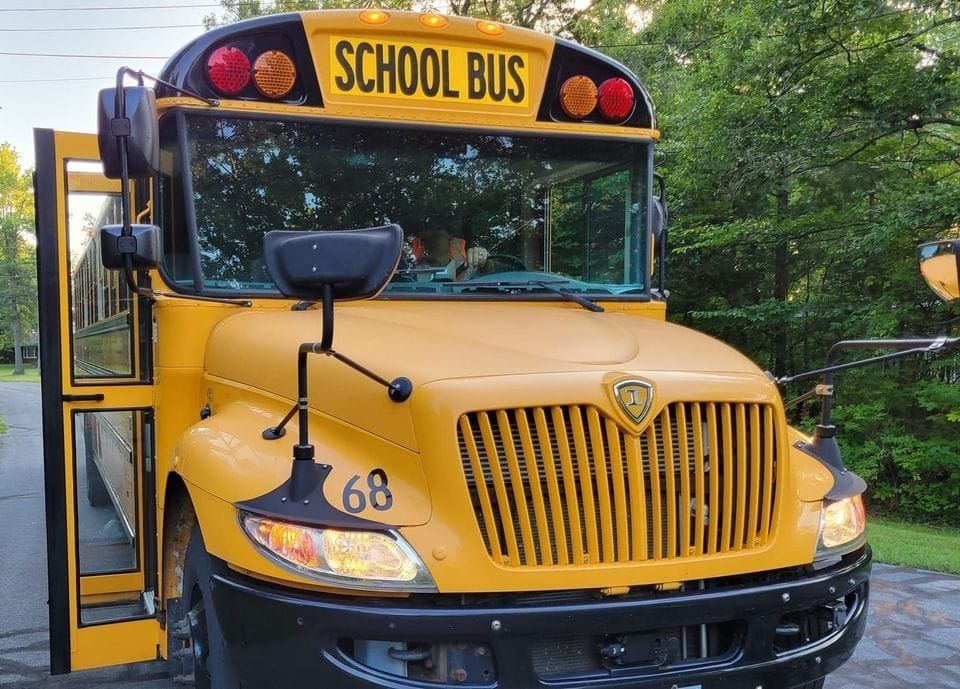
Ross Local School District in Butler County, Ohio, is the largest employer within its boundaries.
It also has the most connections to the community because of the student body alone, Superintendent Bill Rice said.
Around 2,400 students were enrolled across four buildings in the Ross Local School District during the 2025-26 academic year, Rice said. According to data from the National Center for Education Statistics (NCES), the total population of the district is nearly 16,300 people, spread across nearly 70 square miles.
“That’s a lot of families, especially older generations of families, that aren’t connected to the schools,” Rice said. “So we have to be intentional about how we can make ourselves available, make the schools available, so they understand what we do provide for the community.”
Each year, Ross Local Schools host public events, meetings, clubs and tournaments. Local police and fire departments use school facilities for emergency preparedness training, while ministries use their refrigerator storage.
The district’s guidance counselors serve as crisis response teams for families. Its nursing staff provides dental care to students in partnership with a mobile dentist, as well as vision screenings in partnership with the Lions Club. The high school’s track remains open for local recreation.
In an area where there are no medical facilities, dentist offices, large grocery stores, community centers, YMCAs or children’s parks, Ross Local Schools have become health care centers, food pantries, event venues and playgrounds.
In the winter, when children needed coats, the Red Cross operated out of Ross Local Schools. When there was a nearby gas leak, Rice said Ross Local Schools provided refuge.
“We’re pretty much the only game in town,” Rice said of providing a large, multi-purpose community space. “We recognize the importance … in smaller communities … that schools play in all things.”
To Rice, Ross Local Schools are the center of his community.
This isn’t uncommon for rural school districts in Butler County.
Closing schools
Over a dozen schools across five districts in Butler County, including Ross Local Schools, are classified as “rural” by the NCES. This locale type applies to schools or districts located outside an urban area with a population of at least 50,000.
Public schools in these communities, like those in Ross Local, are often polling locations, meeting spaces and centers for entertainment, providing the means for civic engagement and social cohesion. School districts across the county often provide students with not just education, but also hot meals, clothing and social services.
In some communities in Butler County, public schools are serving as outlets for families in need. But for many reasons, more than 600 schools in Ohio, including at least 120 schools identified as rural, have been closing over the past decade.
Since 2015-16, analysis of federal education data showed a net loss of 144 schools statewide. This means, over the past decade, the state lost more schools than it gained, even as more than 470 schools opened during the same period.
This year, Ross Intermediate School, which formerly taught fourth and fifth graders in the district, will have to close after being open for just five years. Rice said the school opened when the district believed there would be an influx of students with a new local development that never took place.
Last academic year, Rice said the school served around 400 students, who will now be dispersed at the elementary and middle schools. He said after several listening sessions, there did not seem to be community pushback, and the move should not disadvantage families.
But Ross Intermediate School isn’t the first to close in recent years. Preliminary NCES data for the 2025-26 academic year alone showed 39 schools were reported closed in Ohio, with seven of them classified as being in a rural area.
Community hubs
Still, school districts across Butler County, rural or otherwise, are continuing to provide for their communities.
Four of the five schools in Talawanda School District, which serves more than 2,800 students, are also serving as polling locations for a population of nearly 36,000 people, including students and faculty of Miami University.
According to Talawanda Schools Superintendent Edward Theroux, the schools host intergenerational activities to build community, supply drives, evening activities to help families build literacy skills, cultural activities, football, plays and concerts.
The Edgewood City School District serves more than 3,300 students, according to the NCES, and some buildings serve as polling places and host representatives from Butler County Job and Family Services, the Trenton Police Department, Butler County Educational Service Center, daycare providers, church representatives and other community organizations, according to former superintendent Curtis Philpot.
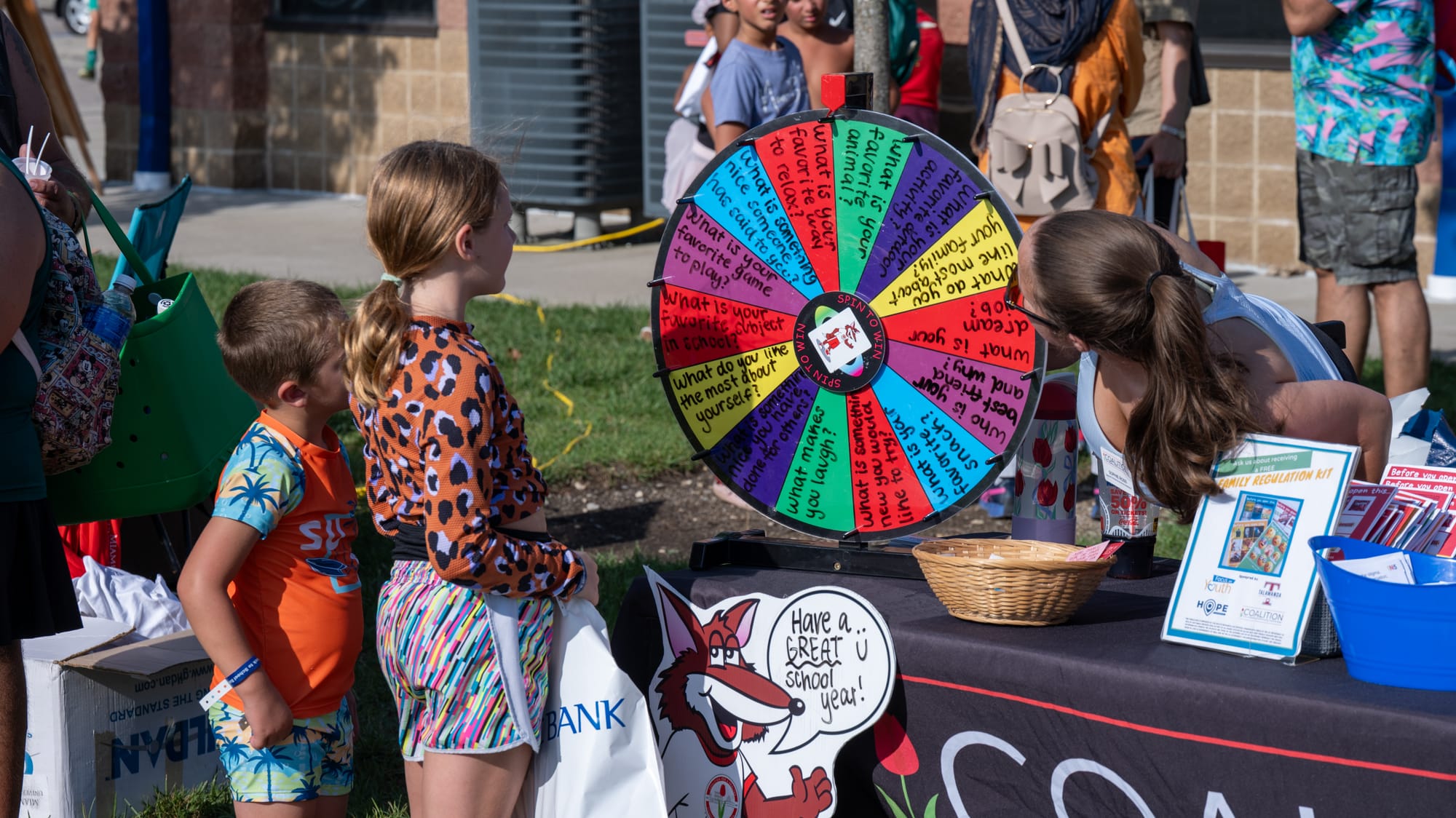
All of the Edgewood City schools are also Purple Star Schools, according to Philpot, meaning they are recognized for supporting students with families who may currently be serving or have served in the U.S. Military.
The City of Trenton, which houses the Edgewood City School District, does not have any major social service centers or many indoor event spaces for large groups. Like Ross Local Schools, its buildings are filling a gap.
But Adam Marcum, public relations and communications coordinator for Monroe Local School District, told the Oxford Free Press in an email, “With the exception of a few outdoor events/rallies hosted by the City of Monroe at Monroe Community Park, I think that Monroe’s main campus is viewed as the primary gathering space for members of the community through the hosting of our regular school events.”
According to the latest available NCES revenue data, during the 2022-23 academic year, public school districts in Butler County received a total of $853,000 in revenue from rents and royalties from their buildings being used by the community, and $19,470,000 coming from community service activities, which could include recreation and/or civic services, public library services, childcare and welfare services.
Prevention and healthcare
The Fairfield City School District is connected with the Fairfield Prevention Coalition, a community-focused nonprofit cultivating a drug-free environment, through four of its schools.
The nonprofit utilizes community groups and organizations to support youth programs and events. It focuses on substance use prevention, lifestyle and health decision-making and involvement.
Joe Markiewicz, executive director of the Fairfield Prevention Coalition and youth trainer, said these groups connect youth with avenues to build relationships and live a better life. He said students involved in the coalition also participate in event-planning and gain valuable public speaking and leadership skills.
The Fairfield City School District also has an on-site healthcare facility at Fairfield Academy that is fully funded by Primary Health Solutions and provides basic medical care, mental and behavioral health care and dental work. Multilingual services are also available for students.
Theroux said Talawanda Schools have also provided vaccination clinics and hosted mammogram vans. At least one of the five Edgewood City Schools provides health care services for students and community members, Philpot said.
“If you’re able to keep kids healthy, they’re able to attend school more often, which means they’re set up for success,” said Matthew Crapo, director of student services for the Fairfield City Schools District.
Social services in public schools
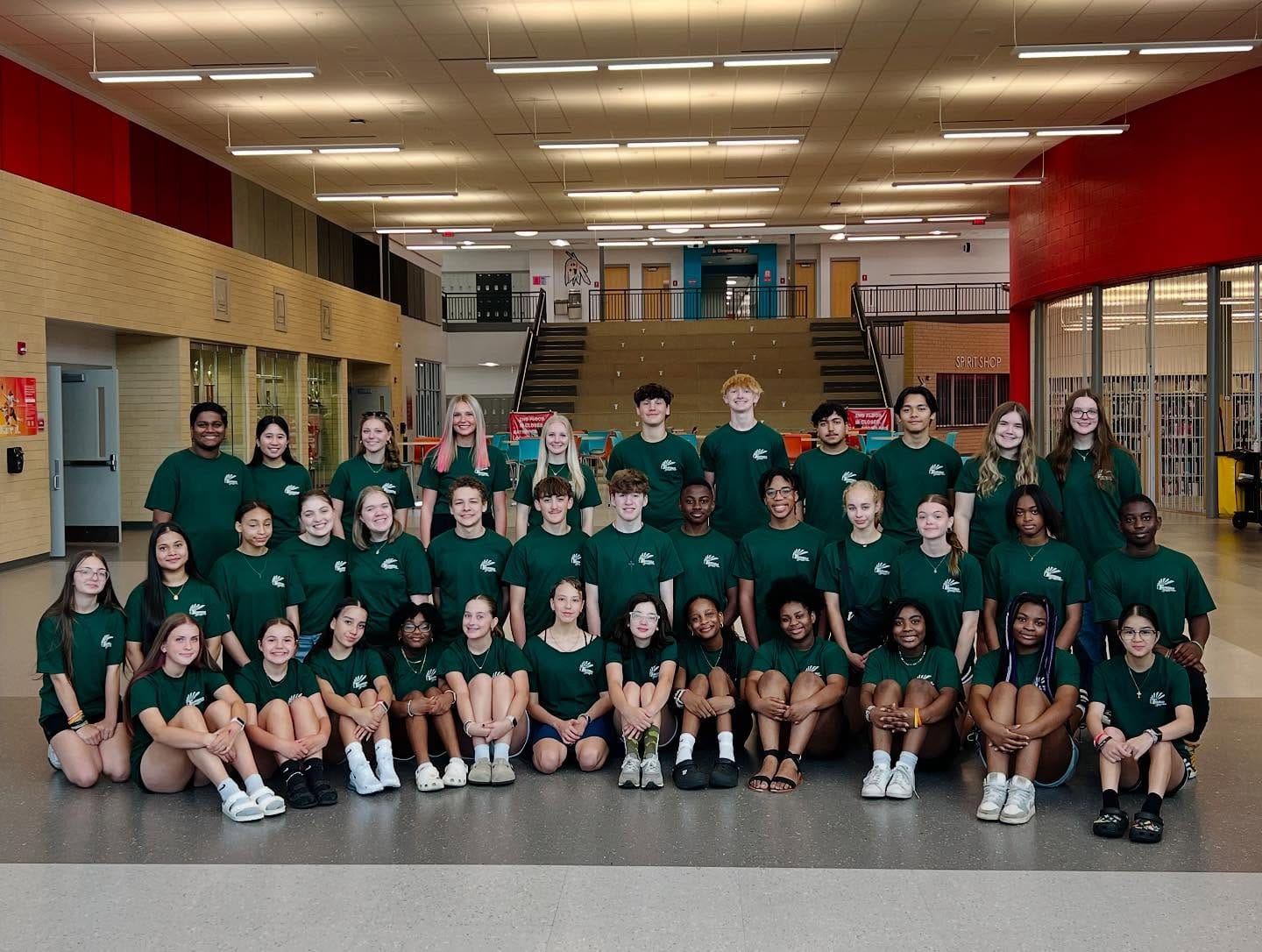
Through the Success Program, headquartered in the Butler County Educational Service Center in Hamilton, social service workers have offices within public school buildings across the county through which they work with families to assess their needs, whether it's food, housing, clothing, medical care, school supplies, therapy or bills.
Childhood food insecurity rate in Butler County in 2024 was just over 19%, corresponding to 17,650 children experiencing food hardship, according to estimates by nonprofit Feeding America.
During the 2025-26 academic year, Success Program offices across Butler County provided assistance to 3,468 public school students and their families, Program Supervisor Cari Wynne said. She said the program works through public schools because they’re better outlets for identifying families that are struggling.
Because many school districts in Butler County are located in rural areas, some may be more well-resourced than others or may have fewer social service agencies in their area, Wynne said. She said her program builds relationships with local civic groups and faith-based organizations to address needs.
Wynne said many parents living in rural communities have shared they also feel more isolated or have less family or community support. She said social service workers in her program try to bridge this gap with parents by being their “cheerleader” and helping them feel less lonely.
Over the years, Wynne said, if public school buildings close, kids are typically assigned to different program workers at other buildings in the district. But sometimes, she said it’s difficult when students develop relationships with program workers and then need to transfer to an online school or a school in a neighboring county where the program’s funding cannot follow them.
Declining enrollment, expanding voucher program
Although many public school districts, like those in Butler County, have become resource hubs and pillars for their communities, analyses show school closures across the country have spiked at least 30% over the past four years alone due in part to a demographic cliff causing lower enrollment.
More students are also enrolling in private and charter schools since the COVID-19 pandemic, while public school enrollment trends downward, according to data from the Ohio Department of Education and Workforce (ODEW).
Since 2023, Ohio’s legislature has expanded the state’s EdChoice education voucher system, which uses public funding to pay for alternative education sources, to include all families. According to ODEW data, the state spent over a billion dollars on these vouchers in FY25, with 166,589 students participating.
During Fiscal Year (FY) 2021, more than 1,739,386 students were enrolled in public schools in Ohio, according to the ODEW. In FY21, 161,664 students were enrolled in non-public schools. By FY26, Ohio public schools saw a more than 1% decrease, while Ohio non-public schools saw a nearly-14% enrollment increase, according to the ODEW.
As of May, the EdChoice program was still tied up by the state’s 10th District Court of Appeals to decide if the program is unconstitutional.
This reporting is part of a collaboration with the Institute for Nonprofit News' Rural News Network and Big Local News at Stanford University, with data journalist Cherry Salazar’s analysis helping anchor the reporting. Six nonprofit newsrooms were involved: BenitoLink, KAXE, Mat-Su Sentinel, Mississippi Today, Oxford Free Press and The Texas Tribune. Support from the Walton Family Foundation made this project possible.