
Miami students recommend updates to Oxford’s approved tree list
As part of the City of Oxford’s Climate Action Plan, students from Miami University’s sustainability capstone class presented a revision of the City of Oxford’s approved tree list to the environmental commission.
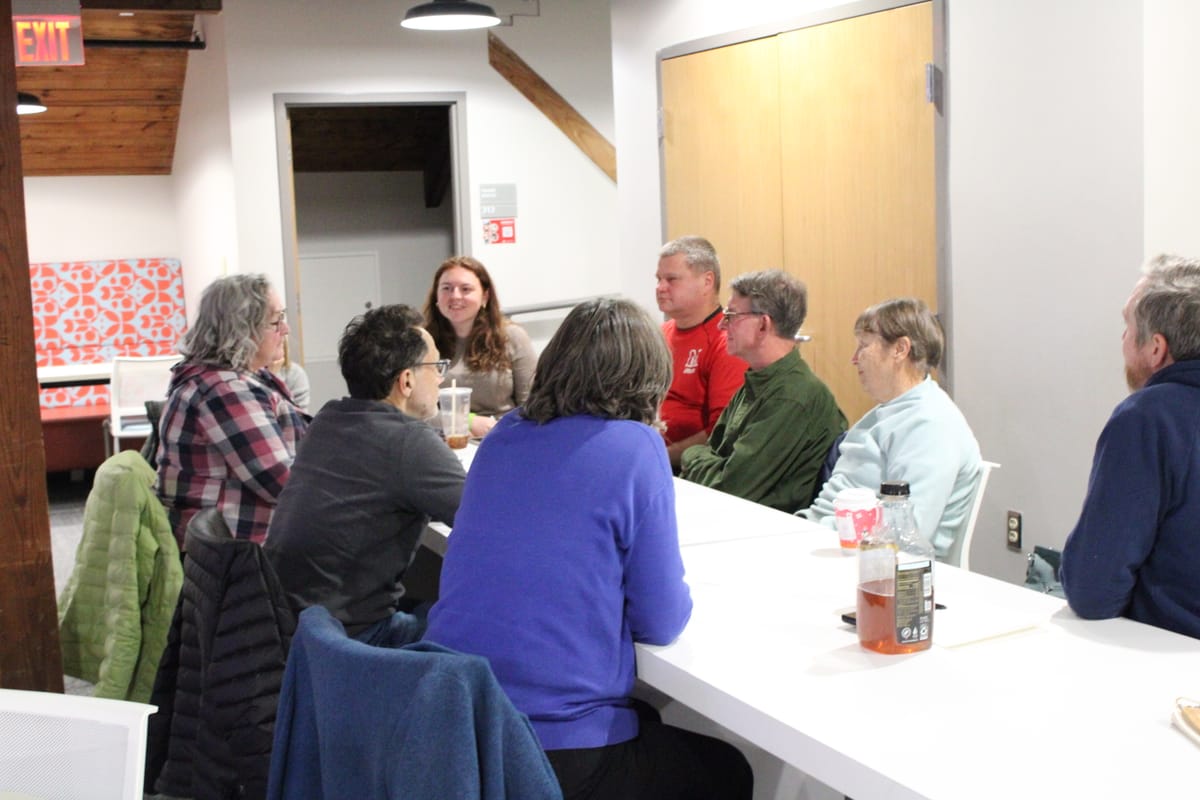
Students from Miami University’s sustainability capstone class presented a revision of the City of Oxford’s approved tree list to the environmental commission during a meeting on Dec 3.
The list is used to determine which species of trees the city may plant based on the available space when landscaping.
The students’ project was completed as part of the city of Oxford’s Climate Action Plan.
According to the City of Oxford’s website, Oxford’s current approved street tree list includes 78 species of approved trees broken down into three size categories: small, medium and large. It also includes a list of species not allowed due to factors including susceptibility to limb or trunk breakage, diseases, pests, “messy” fruits and invasive roots.
Reena Murphy, sustainability coordinator for the City of Oxford, said the list “was last updated before I was born, so students have taken on the work of updating that list.”
The students made recommendations in an attempt to improve the quality and quantity of the city’s urban tree canopy, aiming to expand the canopy’s coverage from 35% to 50%. Additionally, students recommended adding more trees native to North America.
Students assessed the trees on the original list and possible additions by urban survivability, fruit litter, deer resistance, climate tolerance and sun and shade requirements among other categories. The students listed urban survivability as the most important variable in determining if a tree species should be on the list.
The students compiled their information into a database, which now contains specific information about each tree, like its height and which United States Department of Agriculture (USDA) Plant Hardiness Zone it thrives in. The USDA Plant Hardiness Zone is a map which provides the standard in determining which perennial plants are likely to thrive at a given location.
The students ultimately recommended adding paperbark maples, katsura trees and blackjack oaks to the list.
The students also referenced climate projection data in their presentation, showing how it guided their process of selecting trees for the list that can withstand the environment.
They recommended removing scarlet oaks, cornelian cherry dogwoods and fringetrees from the list based on their poor tolerance of Oxford’s climate.
“(It’s) really exciting that (students) are able to help in the implementation in this way,” Murphy said of the city’s climate action plan.
Over the next two to three months, the commission will review the students’ recommendations and eventually decide whether to adopt or change the recommendations before sending them to city council, Murphy said.
In other business, City Councilor Jason Bracken was appointed as the new chair of the commission and Councilor Jim Vinch was appointed as vice chair. The two chairs were appointed unanimously.
The environmental commission will meet next on Jan. 7 at 7 p.m.