
OASH sets agenda for year, discusses housing rights
Rebecca Griffin, the director of education from the Housing Opportunities Made Equal (HOME) Cincinnati chapter, spoke about housing rights.
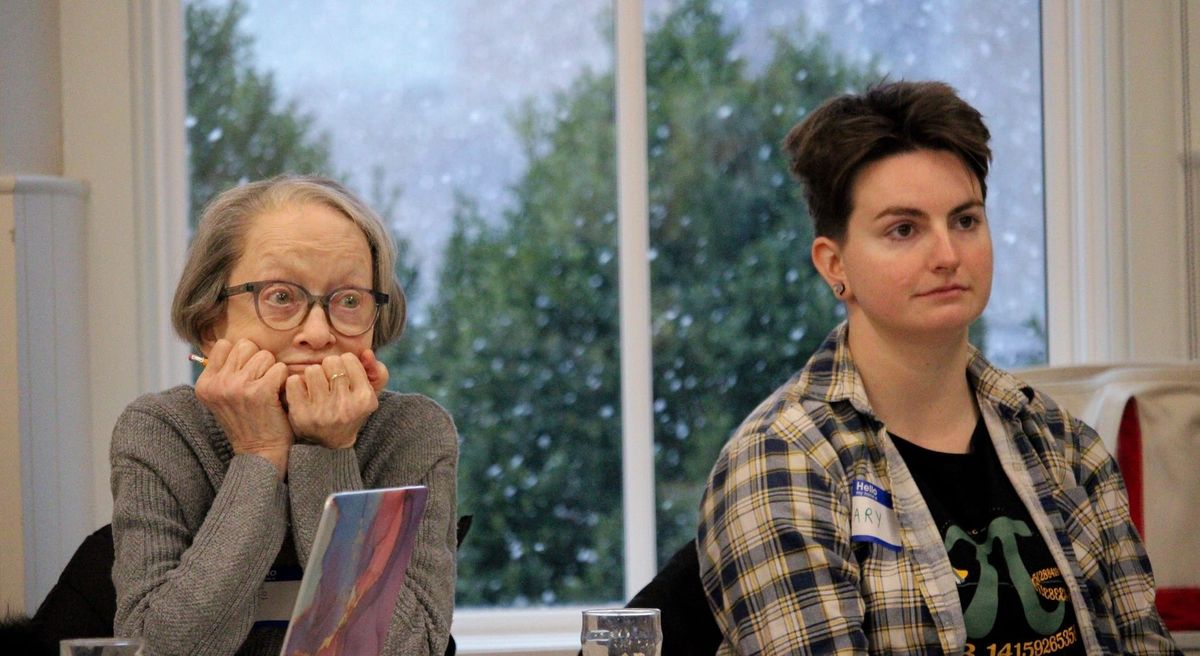
Members of the public voted on projects for Oxford Area Solutions for Housing (OASH) to work on in the coming year at a June 15 meeting. Participants chose projects based on OASH’s mission, skill set and personal interest.
Participants voted to ensure transitional housing with services in Oxford, investigate ways to encourage landlords to accept Section 8 vouchers or participate in incentive programs, employ a social worker at the Oxford Lane Library and increase the availability of mental health services in the area.
Rebecca Griffin, the director of education from the Housing Opportunities Made Equal (HOME) Cincinnati chapter, spoke about housing rights at the meeting. HOME, a nonprofit group, helps to provide outreach to tenants who report issues, specifically discrimination.
Ohio Revised Code Chapter 5321 outlines landlord and tenant responsibilities, which are used to help mediate and resolve disputes. Some cities and boundaries also have local statutes that include further specificity. HOME will be working with the City of Oxford to create a tenants' guide, according to Griffin.
Griffin also discussed protected characteristics, which are traits shielded from housing, employment, education and public accommodation discrimination. The Fair Housing Act prohibits discrimination in the United States on the basis of race, color, nationality, religion, sex, familial status and disability.
“I always used to tell my kids that it wouldn't be a rule if somebody hadn't messed up, and so you just got to remember that we have rules for a reason,” Griffin said.
The Oxford City Council added “source of income” as a protected class last year.
Griffin also discussed the history of housing discrimination in the U.S., specifically race-based discrimination. According to a report from the Center for American Progress, Black women face disproportionate rates of eviction.
“Eviction also affects people with disabilities (and) domestic abuse survivors – these most vulnerable populations that we have are most likely to be evicted,” Griffin said. “It's this long road for them to try to get back on their feet.”
The next OASH meeting will be 5 p.m. on July 6 at the Oxford Presbyterian Church, 101 N. Main St.