
On My Plate: Avocados
"Most chefs and consumers prefer the Hass avocado to the Florida variety, because the Hass is considered more full-flavored."
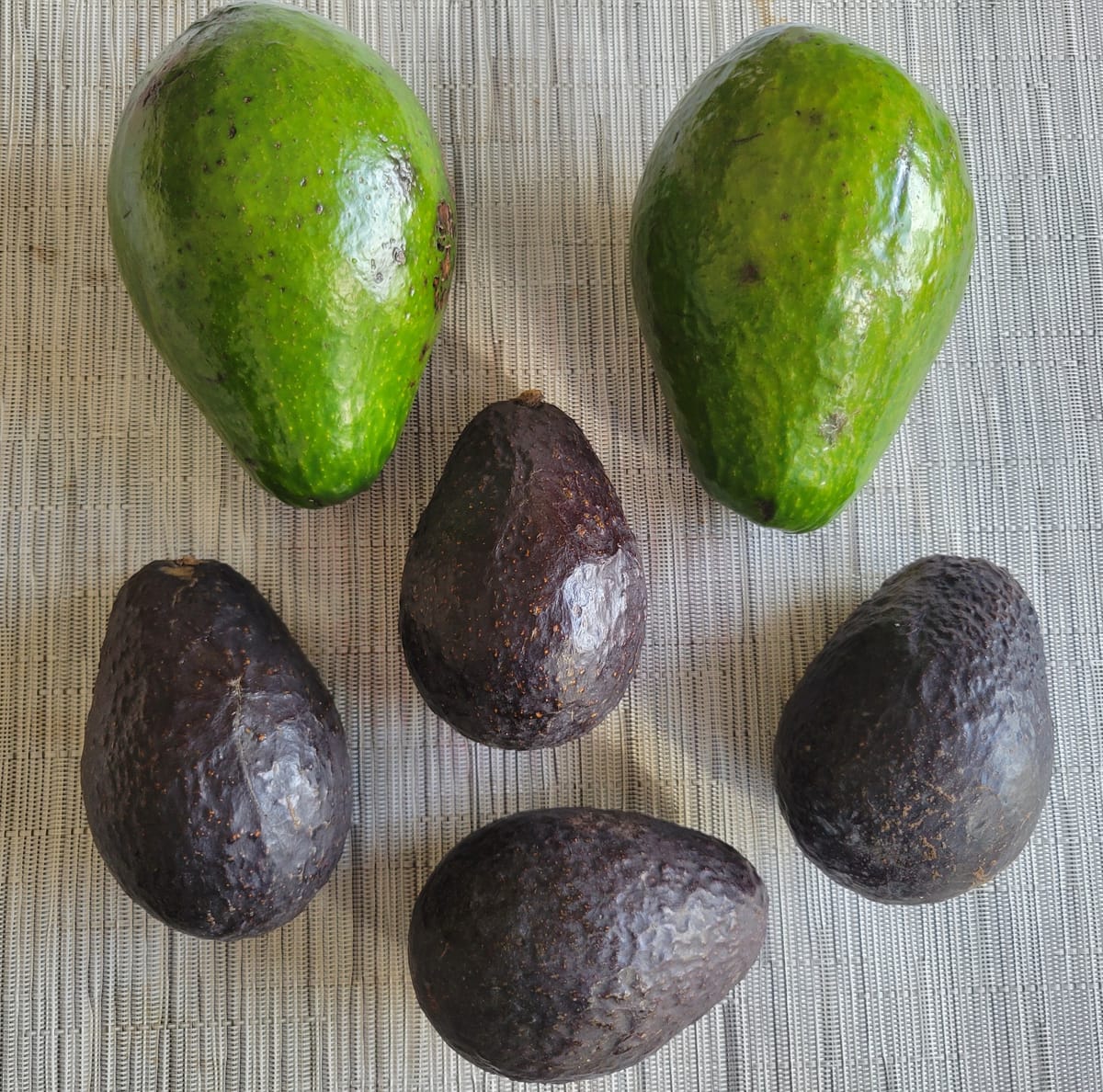
Local avocados played a central role in my meal during a recent stay in Florida. A Florida avocado is much bigger than the Hass variety we see in Ohio markets, and the skin is smoother and a lighter green color.
Avocados were introduced for cultivation in the United States on June 10, 1899. Knowledge of the precise date of their arrival in the United States is a remarkable story. Credit goes to David Fairchild, a U.S. Department of Agriculture (USDA) employee in the late nineteenth and early twentieth centuries, known as the food explorer and sometimes as the food spy.
Fairchild joined USDA in 1889, at age 20, as head of the Office of Seed and Plant Introduction. During the next several decades, he traveled around the world in search of exotic plants and foods. He shipped back to the United States more than 300,000 varieties of plants and produce that U.S. farmers could try to grow and U.S. consumers might be willing to eat.
Some of Fairchild’s work involved official diplomacy. For example, he secured Japan’s gift to the U.S. of the cherry blossom trees that adorn Washington D.C.
Some of his work was clandestine. For example, Germany’s hops growers closely guarded their fields to prevent others from stealing samples, but Fairchild managed to smuggle some back to the U.S. to help grow the beer industry.
In Chile, Fairchild bought every avocado he could find and shipped nearly 1,000 of them in several crates to the USDA office in Washington D.C. When packed, the avocados were hard as stone, but inevitably by the time the crates were opened in Washington, employees found the flesh to be rotten.
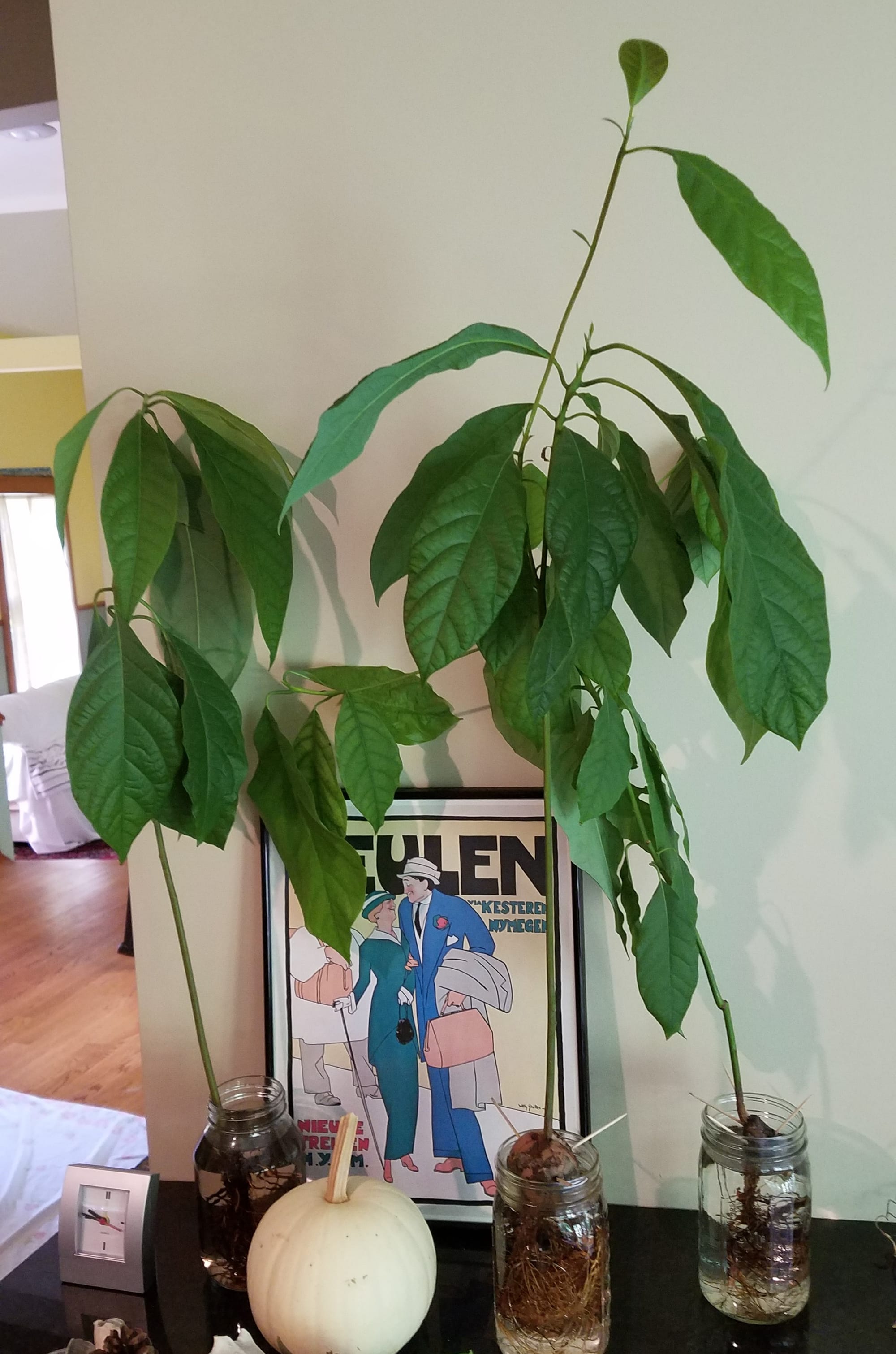
However, USDA employees removed the seeds from the rotten flesh and planted them first in soil and then suspended in water until they sprouted. They were then shipped to California to share with farmers there. Fairchild warned them that it would take several years to bear fruit, but ultimately that shipment built an entire industry in California.
The avocados that Fairchild collected were not native to Chile. They had originated in central Mexico and were carried south to Chile. Today, Mexico supplies around 90 percent of avocados sold in the United States.
A few years later, Fairchild sent one of his USDA employees, Wilson Popenoe, to Guatemala in search of a different variety of avocado. In 1916, Guatemalan avocados were brought to Florida, where they thrive.
The Hass avocado that dominates the U.S. market is named for Rudolph Hass, a California mail carrier and amateur horticulturist, who tinkered with some of the avocados sent by Fairchild in 1926 and managed to convince the U.S. Patent Office to issue a patent for his seed in 1935.
Most chefs and consumers prefer the Hass avocado to the Florida variety, because the Hass is considered more full-flavored. Its soft buttery texture is suitable for guacamole, avocado toast and other composed dishes.
I prefer the Florida avocado for two reasons. First, the Florida avocado is firmer, so a better choice when sliced into simple wedges or chunks rather than mashed and mixed with other ingredients.
Second, the seed from a Florida avocado can be suspended in water, and after a few months it sprouts into a house plant. Hass seeds do not sprout, because Hass trees are produced by grafting, not by planting seeds. Florida avocado plants may not be the best looking, but they are a daily reminder of my vacation in Florida.
James Rubenstein is president of the Board of Directors for the Oxford Free Press and professor emeritus of geography at Miami University.