
On My Plate: Green beans
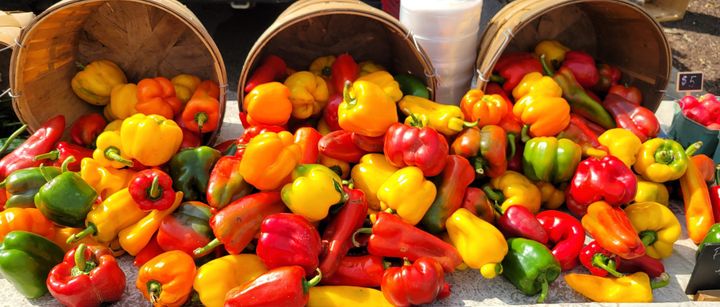
In its protection of the salade niçoise recipe, the Cercle de la Capelina d'Or permits cucumber, bell peppers, celery, radishes, scallions, basil, black olives and garlic, as long as they are uncooked.
One of the joys of buying food at the Oxford Farmers Market or MOON Co-op Grocery is the personal touch. When you get to know the vendors and staff, you learn neat things.
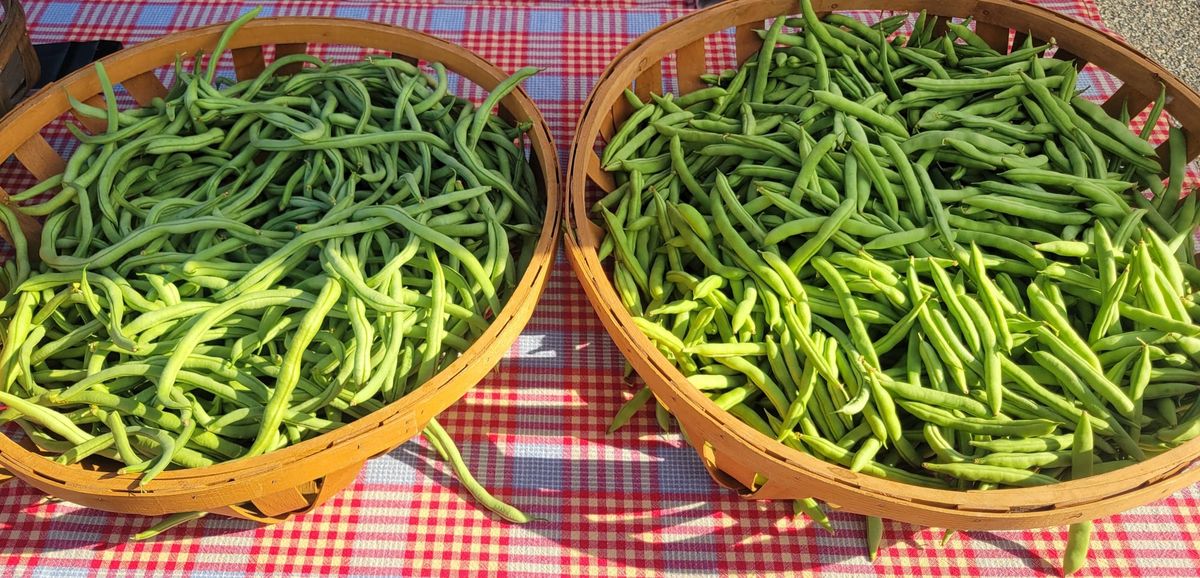
For example, a couple of years ago, Downing Fruit Farm’s Scott Downing took one of his green beans and pressed it against my t-shirt. The bean stuck to my shirt like velcro. Scott explained that if the green bean sticks to your shirt, it’s really fresh. I tried it with a four-day-old green bean from Scott and it no longer stuck, nor did a several-week-old supermarket green bean.
I recently came home from the Oxford Farmers Market with green beans from the Gierenger’s Miami Farms LLC. The day I brought them home, samples stuck to my shirt – proof that they were fresh.
On a hot summer day, instead of overcooking green beans and serving them hot, I opted for a cold salad. My first thought was to make Salade Niçoise. However, I quickly ran into a buzzsaw of controversy. The French Cooking Academy’s website explains that “you need to be born in France to understand just how something as simple as a salad can spark regional conflicts.”
Salade Niçoise, the salad traditionally served in the city of Nice, was originally a simple combination of tomatoes, anchovies and olive oil. However, the early 20th century French chef and cookbook author Auguste Escoffier and his protege Julia Child added other ingredients, such as olives, hard-boiled eggs, tuna, potato salad and cooked vegetables, as well as green beans.
In the city of Nice, the Cercle de la Capelina d’Or, established in 1972 to uphold the traditions of the food of Nice, opposes the inclusion of green beans. The first sentence of that organization’s salade Niçoise website is translated by me as “Many crimes have been committed in the name of this pure, fresh salad.”
In its protection of the salade Niçoise recipe, the Cercle de la Capelina d'Or permits cucumber, bell peppers, celery, radishes, scallions, basil, black olives and garlic, as long as they are uncooked. The Cercle de la Capelina d’Or is lobbying UNESCO to “protect” the authentic recipe as defined by the organization.
Capelina was an unfamiliar word to me. Rather than French, it’s actually Occitan, the traditional language of southern France, including Nice. The Occitan language name for the dish is salada nissarda. The only reference to capelina I could find was a word in an Occitan song “Nissa la Bella,” translated to Nice the Fair, said to be Nice’s unofficial anthem.
“Canti la capelina / La rosa e lou lilà.” Google translates this stanza as “Sing the chapel / The rose and the lilac.” However, the app translates capelina by itself as a wide-brimmed sun straw hat.
Given that the subject of this column is supposed to be green beans rather than French recipe controversies, I did choose to include cooked green beans in a nontraditional version of Nicoise salad. The French Cooking Academy published a recipe earlier this year that included green beans in its recipe, along with hard-boiled eggs, tomatoes, green bell peppers, mixed greens, celery, scallion, anchovies, tuna and black olives. To prepare green beans for a cold salad, add the beans to a pot of boiling water, cook for three minutes and transfer the cooked beans to a bowl of ice water.
The academy does enforce one rule. For the dressing “use only olive oil; vinegar is not welcome.” The academy offered its salade Niçoise recipe with “the hope that the people of Nice won’t take to the streets.”
James Rubenstein is president of the Board of Directors for the Oxford Free Press and professor emeritus of geography at Miami University.