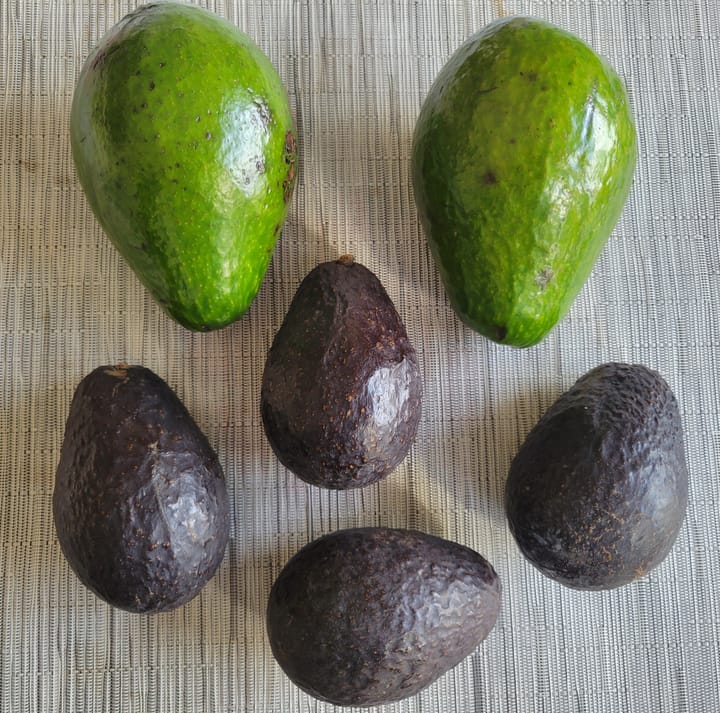

On My Plate: Oatmeal
"Ohio is the birthplace of oatmeal in the United States. Ferdinand Schumacher founded the German Mills American Oatmeal Company in Akron around 1855."
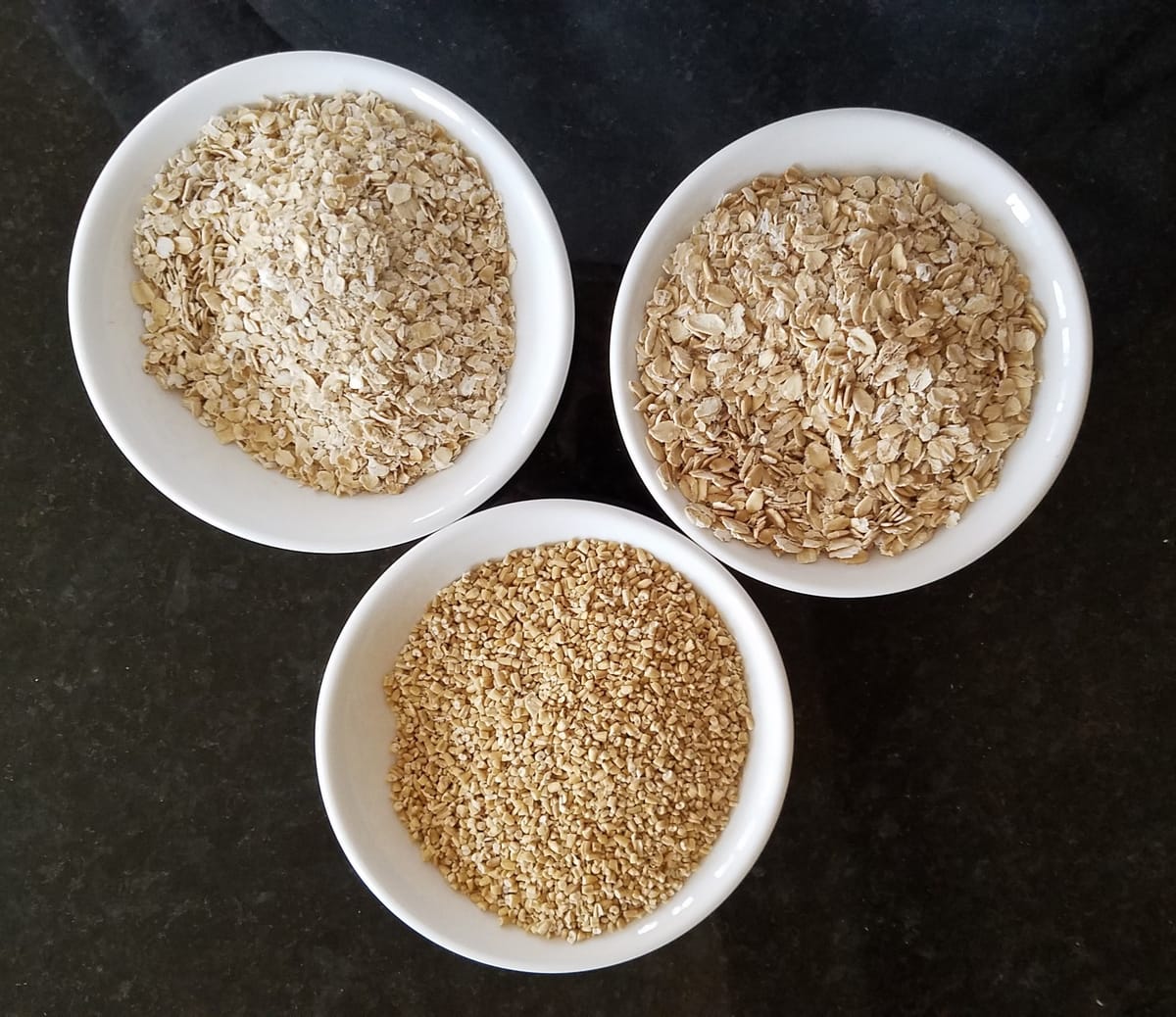
Our extended cold weather calls for a breakfast of oatmeal – the ultimate winter breakfast. But what kind of oatmeal should you select? Between the supermarkets and MOON Co-op, four varieties are available.
Steel-cut groats, especially popular in Scotland, are the healthiest option, as they are the least-processed version of oats, and they offer the most fiber. The husk is removed, then the whole grain is chopped into small pieces. Groats also have a pleasing nutty flavor and chewy texture, rather than the mushy consistency typically associated with oatmeal. However, steel-cut oats take a long time to cook if starting from scratch at breakfast time.
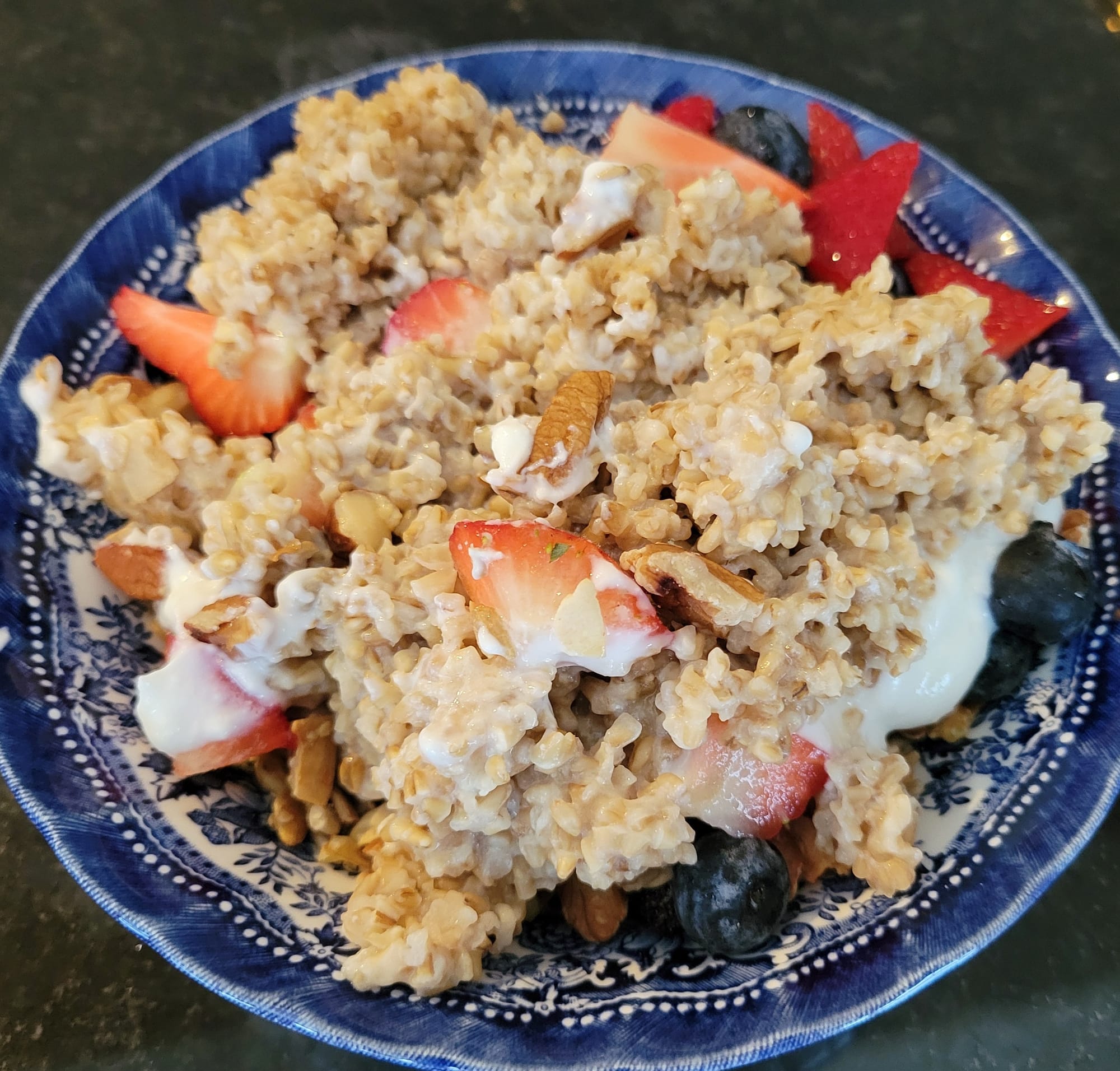
The best preparation method is to combine one cup of steel-cut groats with one cup of warm water and two tablespoons of yogurt, cover and leave the mix overnight on the counter next to the stove. Use a thin yogurt, such as Bulgarian, rather than the Greek variety, which isn’t absorbed as well by the groats. In the morning, transfer the groats to a pot, add two or three tablespoons of milk or cream and heat on the stovetop for 5 minutes at medium heat until the liquid is absorbed, stirring frequently to minimize sticking to the pot.
Most Americans opt for rolled oats, which are steamed groats pressed into flat flakes. Thick oats are similar to rolled but not pressed as flat. Rolled oats are softer and more pliable than steel-cut, so they cook faster. To cook rolled oats for immediate consumption, add them to boiling water, reduce heat to medium and cook for 10 minutes. The ratio is one unit of oats to two units of water.
However, rolled oats, like groats, are better if prepared the night before. Soaking them overnight has an important benefit of retaining more nutrients. Use the same formula as for groats – one cup of oats, one cup of warm water and two tablespoons of yogurt. Unlike groats, which need more cooking, the rolled oat mix can be microwaved for 1 to 2 minutes.
Quick oats are rolled and pressed even flatter than rolled oats. This reduces the cooking time and results in a mushy texture rather than the coarseness of groats or thicker rolled versions. Instant, as the name suggests, contains even more finely ground oats.
Ohio is the birthplace of oatmeal in the United States. Ferdinand Schumacher founded the German Mills American Oatmeal Company in Akron around 1855. The company was reorganized as Quaker Mill Company in 1877, and after several mergers the company’s name was changed to Quaker Oats in 1901.
In 1877, the company registered a trademark of “a figure of a man in ‘Quaker garb.’” Several individuals associated with the company claimed credit for the trademark “as a symbol of good quality and honest value,” according to the Quaker Oats website.
Because oats thrive in relatively cool and damp climates, most of the world’s oats are grown in northern Europe. The United States grows only 4% of the world’s oats, primarily in North Dakota and other Upper Midwest states, as well adjacent areas of Canada. Ohio may have been the birthplace of oatmeal, but the state grows only 1% of the oats in the United States.
Three-fourths of the world’s oat production is fed to animals. In 1773, Samuel Johnson defined oats as “A grain, which in England is generally given to horses, but in Scotland supports the people.” To which the Scots replied, “That’s why England has such good horses, and Scotland has such fine people!”
James Rubenstein is president of the Board of Directors for the Oxford Free Press and professor emeritus of geography at Miami University.