
Oxford’s Bee Festival
"Several dozen bee-themed festivals around the country (not including Oxford’s) are listed in localhoneyfinder.org. So why does Oxford hold a bee festival?"
Oxford’s Bee Festival features several dozen food vendors along High Street, as well as music and entertainment. Just off High Street is a huge mural of bees that has become one of Oxford’s most prominent tourist attractions.
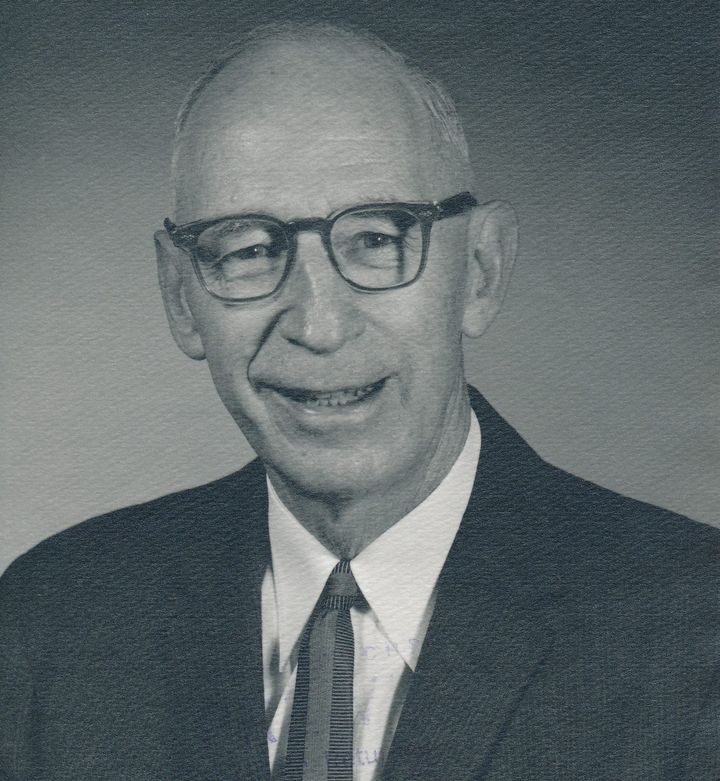
Several dozen bee-themed festivals around the country (not including Oxford’s) are listed in localhoneyfinder.org. So why does Oxford hold a bee festival? The answer is simple. It is only a slight exaggeration to state that bees – and therefore honey – exist in the United States because of Oxford. More precisely, Oxford was the long-time home of the “father” of American beekeeping, Rev. Lorenzo Langstroth.
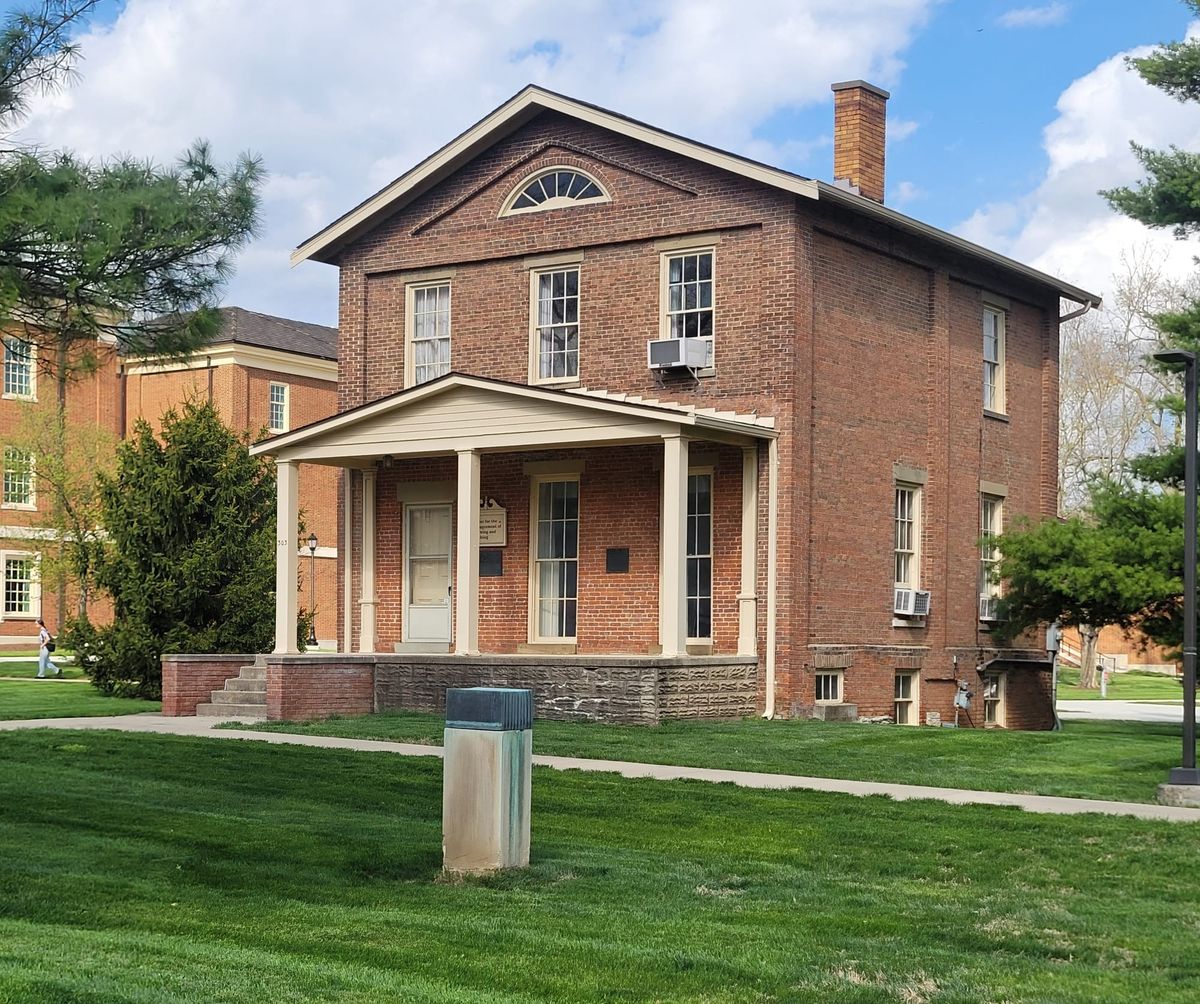
Langstroth lived and worked in Oxford from 1858 to 1887. His Patterson Avenue home, now known as Langstroth Cottage, is a National Historic Landmark. Behind the home, Langstroth maintained 10 acres, now part of Miami’s Western Campus. According to his Wikipedia entry, Langstroth planted apple trees in most of the 10 acres, as well as a row of linden trees along Patterson Avenue. On one acre of the property, he created a formal garden, with flowers chosen to attract the most bees.
Langstroth’s invention that revolutionized beekeeping was based on the understanding that when bees build a hive, they retain a small opening called “bee-space” in order to leave and enter the hive. Langstroth measured “bee-space” to be between 1/4 inch and 3/8 inch in height.
What is now called the Langstroth hive is a box containing several vertically hung frames that the beekeeper can move as necessary. As a result, bees can be prevented from attaching their honeycombs to adjacent frames or outer walls of the hive, thereby accidentally shutting off the “bee-space” needed for their comings and goings. The Langstroth hive permitted beekeeping to take place at a much larger scale.
Langstroth was born on Christmas Day, 1810 in Philadelphia, where he lived for the most part until moving to Oxford in 1858. A historical marker outside his Philadelphia home reads “Born here, Langstroth revolutionized the beekeeping industry with his 1852 patented moveable frame hive and his manual ‘The Hive and the Honey-Bee’. Both remain in use today. His innovations advanced beekeeping, pollination, and honey production worldwide.”
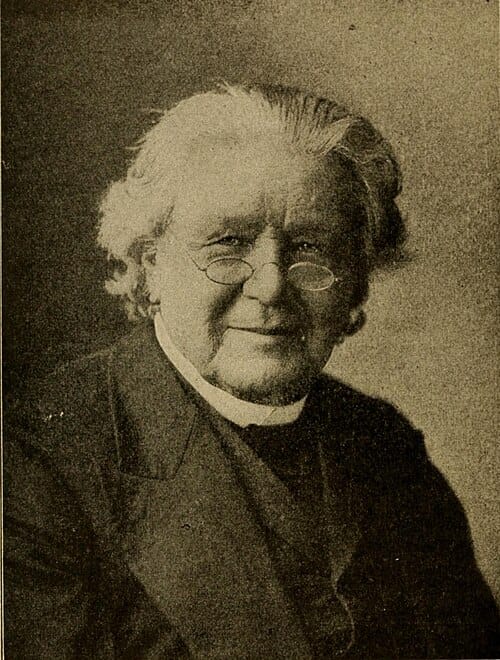
Langstroth moved from Oxford to Dayton in 1887 to live with his daughter. He died in 1895 at the pulpit of Wayne Avenue Presbyterian Church in Dayton, just as he was beginning to deliver a sermon, and is buried at Woodland Cemetery and Arboretum in Dayton.
Ten thousand years ago, “honey is queen,” according to “The Illustrated History of How Sugar Conquered the World” by Kristy Mucci. “Basically any part of Europe, Africa, or Asia that isn't covered in ice has bees, and thus honey.”
However, around 1,500 years ago, Europeans turned to sugar, first cultivated in Asia and carried to Europe by Arab traders. During the colonial era, Europe’s demand for sweeteners was met through establishment of sugar plantations in the Western Hemisphere, staffed by the enslaved indigenous population. Sugar was a much less painful source of sweetener than beekeeping, at least for consumers in Europe, if not for the indigenous peoples enslaved on plantations.
Oxford’s Bee Festival offers an opportunity to sample a variety of locally produced honey to see which is most pleasing to you. Some are light in appearance and delicate in taste, whereas others are dark-colored with an intense flavor. Locally produced honey can be found in Oxford every week at the Farmers Market and every day at MOON Co-op Grocery.
James Rubenstein is president of the Board of Directors for the Oxford Free Press and professor emeritus of geography at Miami University.