
Social worker sets up shop at Oxford Lane Library
“The libraries are a place where a lot of people who are … unsheltered will come for resources. They come to get out of the weather, for the bathrooms, to charge phones, just to have a safe, quiet place.”
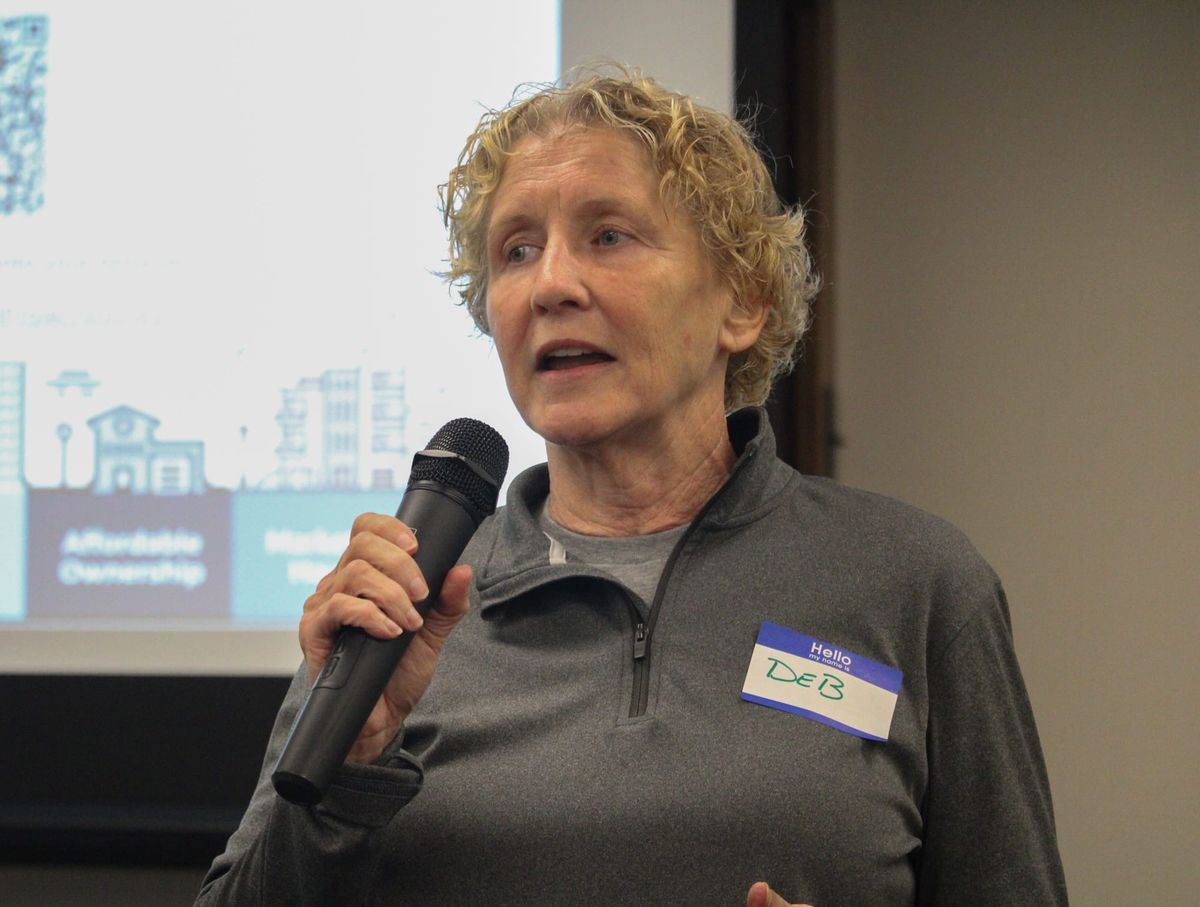
Since the beginning of August, Deb Wells, a social worker with Access Counseling Services, has been at the Oxford Lane Library every Monday afternoon, where she offers help to those in need.
“I’m available for anybody that needs anything from a dry pair of socks to filling out applications for food stamps to buying a birth certificate,” Wells said. “Really, whatever people need, that’s what I’m here for.”
Wells’ services are part of an outreach pilot program that’s funded by the OneOhio Recovery Foundation. So far, she said she’s connected with a couple different people, although it usually takes time for outreach programs to “build up momentum.”
“People getting used to you being here, people trusting you, people feeling comfortable accepting help,” Wells said of why it takes time. “It just takes a little patience.”
For more than a year, Wells has been attending the Oxford Area Solutions for Housing (OASH) meetings, where they’ve discussed providing more access to social services, the Oxford Winter House and other projects. Wells said the idea to have a social worker at the public library was brought up during one of these meetings.
“The libraries are a place where a lot of people who are … unsheltered will come for resources,” Wells said. “They come to get out of the weather, for the bathrooms, to charge phones, just to have a safe, quiet place.”
While librarians can help patrons find information, Wells said they aren’t social workers and don’t necessarily have the training to interact with people with great need. Still, she said they’ve been helpful in identifying regulars who may need Wells’ assistance.
“The library staff are pretty familiar with folks that come in regularly,” Wells said. “The staff … let people know that I am here. They have my contact information, so they can reach out to me if somebody has a need when I’m not here, or they can let people know to come and talk to me when I am here.”
Wells said she starts with asking clients how she can help them directly, and from there she often gets requests for securing copies of birth certificates and help with getting an ID. She said she also gets requests for clothing, blankets, tarps, tents, sleeping bags and other “survival needs.” From there, she can connect them with other services.
“What I have found to be a successful approach is when you meet immediate needs within the first couple of interactions with someone, that builds kind of some consistency and some trust and some faith,” Wells said. “Then you’re able to kind of build on those initial, small successes, but it takes time.”
Wells said her grant funding lasts through the end of 2027. The pilot program she is a part of is meant to gauge what the level of need is in Oxford – if there’s a need for a service worker like Wells to be there more or less often – and adjust accordingly.
“If certain needs are identified as being more prevalent, if it’s more about getting people signed up for resources and different things, we can look at what approach works best,” Wells said.
Wells said people in Oxford may be surprised at the level of need in the city, as many people experiencing homelessness or great need are often out of the public eye.
“In Oxford, you don’t see them as much,” Wells said. “In larger cities … there’s a higher rate of poverty, there’s a higher rate of instability. There’s higher rates of crime. There’s higher rates of all those things, and so you kind of expect to see that more. But in Oxford, you don’t really look for that. You don’t really expect it.”
Still, she said there are pockets of the community where people have lower or limited income, limited public transportation or less access to resources.
“Things are a little harder to connect in Oxford than in Hamilton because everything is kind of all right there in one spot in Hamilton,” Wells said, referring to Serve City and government services building located nearby. “It’s all walkable or at least a quick bus ride, but Oxford’s a little more challenging.”
Wells will be at the Oxford Lane Library, located at 441 S. Locust St., every Monday afternoon from 1-3 p.m. Anyone wishing to speak to her can either tell library staff or reach out to her via email at dwells@acscounseling.com or phone at 513-882-5244. She asks anyone who calls to leave a message if she does not answer.