
‘The War Within a War’ examines racial complexities of the Vietnam War
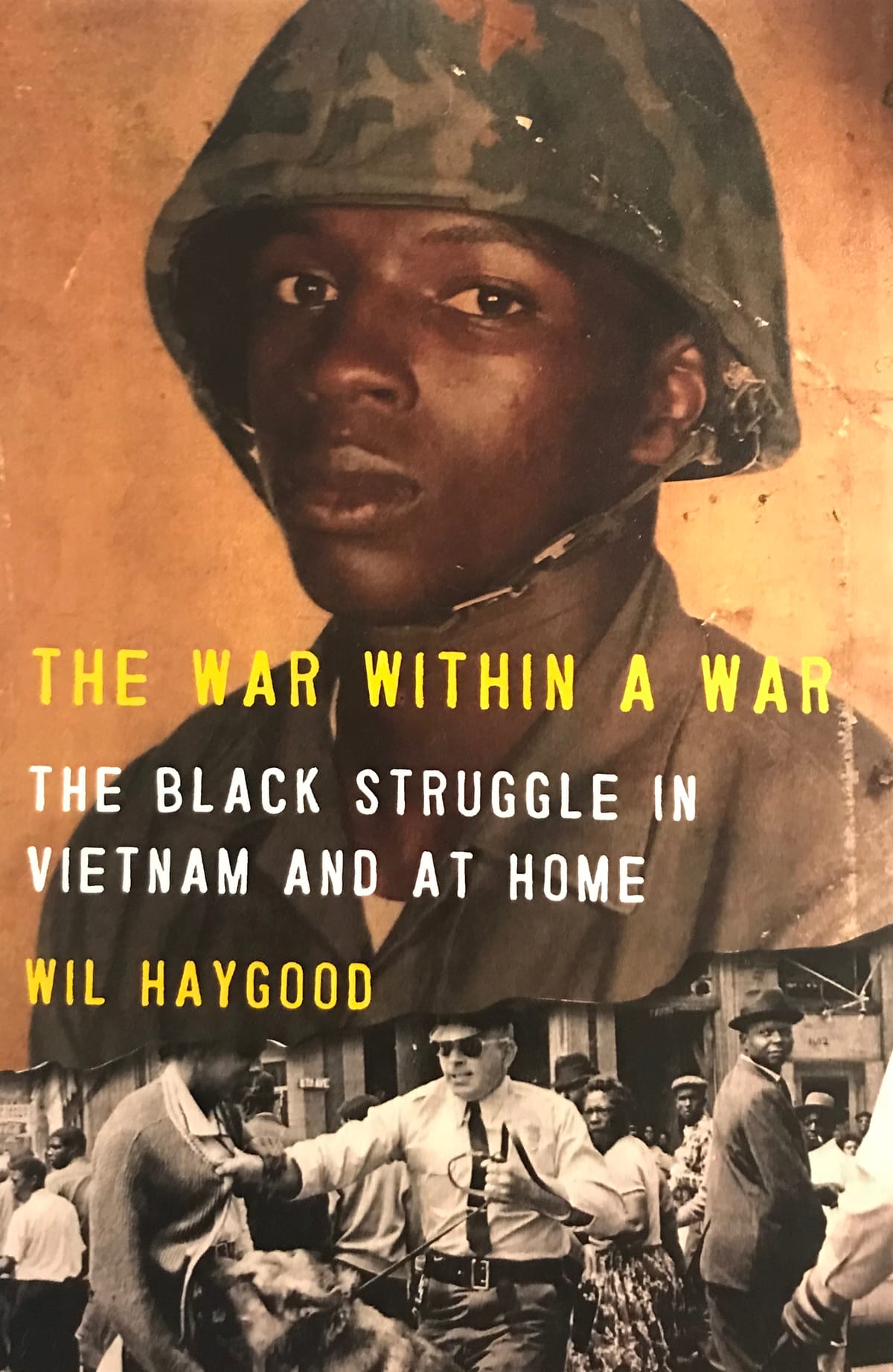
Miami University alum Wil Haygood focuses his most recent book on the Vietnam War and the struggles Black Americans endured at home and overseas.
As a kid in Columbus, Wil Haygood had a friend who lived down the street from him named Skip Dunn. He always said “hello” and “how are you doing” to Haygood during his walk to school.
One day, Dunn was gone. Haygood quickly asked his sister, who was in Dunn’s grade, where he was. She responded, “He’s going to a place called Vietnam.”
Haygood, journalist, author and Boadway Distinguished Scholar-in-Residence for the Department of Media, Journalism and Film at Miami University, will be releasing his 11th book in early February.
From running from National Guard tanks in east Columbus, to watching his friends abruptly go off to Vietnam, “The War Within a War” captures the hidden battles of Black Americans who served in the Vietnam War during the height of the Civil Rights Movement.
“As a kid, it was drilled into me that I had been made aware of the price that young Blacks had to pay,” Haygood said. “They were sent to Vietnam (by) a nation that had not yet given them full equal rights.”
Since he began his writing career, Haygood has been fascinated by the prospect of combining the stories of the Civil Rights Movement and the Vietnam War into one book.
“There were two wars going on at the same time,” Haygood said. “That’s why the book is called ‘The War Within a War.’”
The book features eight major figures whose lives intersect with both wars.
One figure in the book, Elbert Nelson, was a Black field doctor in Vietnam.
Before heading to Vietnam, Nelson watched the Watts riots in Los Angeles on television. When leaving the country for Vietnam, “it is in his mind that he has just seen a lot of Blacks on TV in the Watts riots … he wanted to help them survive Vietnam,” Haygood said.
“He sensed that there was going to be trouble with young Blacks in Vietnam,” Haygood said. “A lot of anger had built up against this nation because of its unfair treatment of Blacks.”
Another person featured in the book was Dorothy Harris, a nurse during the Vietnam War who was stationed at a base camp.
“She had a love of the military and a love of her nation,” Haygood said. “But she was hurt that she didn’t see as many Black officers as she had hoped to see.”
Haygood also covered how proportionately more Black men were sent to the front lines than young white men.
“That was just wrong,” Haygood said. “There was a whole lot of angst, and there was a whole lot of racial complexities during the war.”
Even after the war, Black soldiers who came back from tour expected “to be treated as whole citizens,” Haygood said. “When they came back and saw the ongoing mistreatment of Black folk, that made them very, very angry.”
Haygood hopes readers of his book will have a better understanding of the sacrifices made by Black soldiers in the military during the Vietnam War and the Civil Rights Movement.
“This nation started under the umbrella of slavery, and it endured,” Haygood said. “It endured Jim Crow laws and second-class citizenship for Blacks.”
“This book fills a gap that needs to be explained about our history,” Haygood added of his book’s message. “Without Blacks, you don’t have a full nation.”
Haygood is preparing for a nationwide tour to promote and share his book, following its release on Feb. 10.
Haygood will visit Miami on Feb. 17 at 6:30 p.m. in Hall Auditorium. The event will also feature moderation from Miami President Gregory Crawford, Haygood’s editor and two people featured in the book.