
TOPSS provides resources for homeless individuals in Oxford
“In a car without AC, you're really just in a metal box getting heated up by the sun … just keeping hydrated is a big struggle.”
As temperatures climb into the 90s heading into September and the United States recorded its hottest month on record in July, with an average of 76.9 according to the National Oceanic and Atmospheric Administration, sustained high temperatures put people at higher risk of heat related- illnesses. This can be especially hard for people without homes.
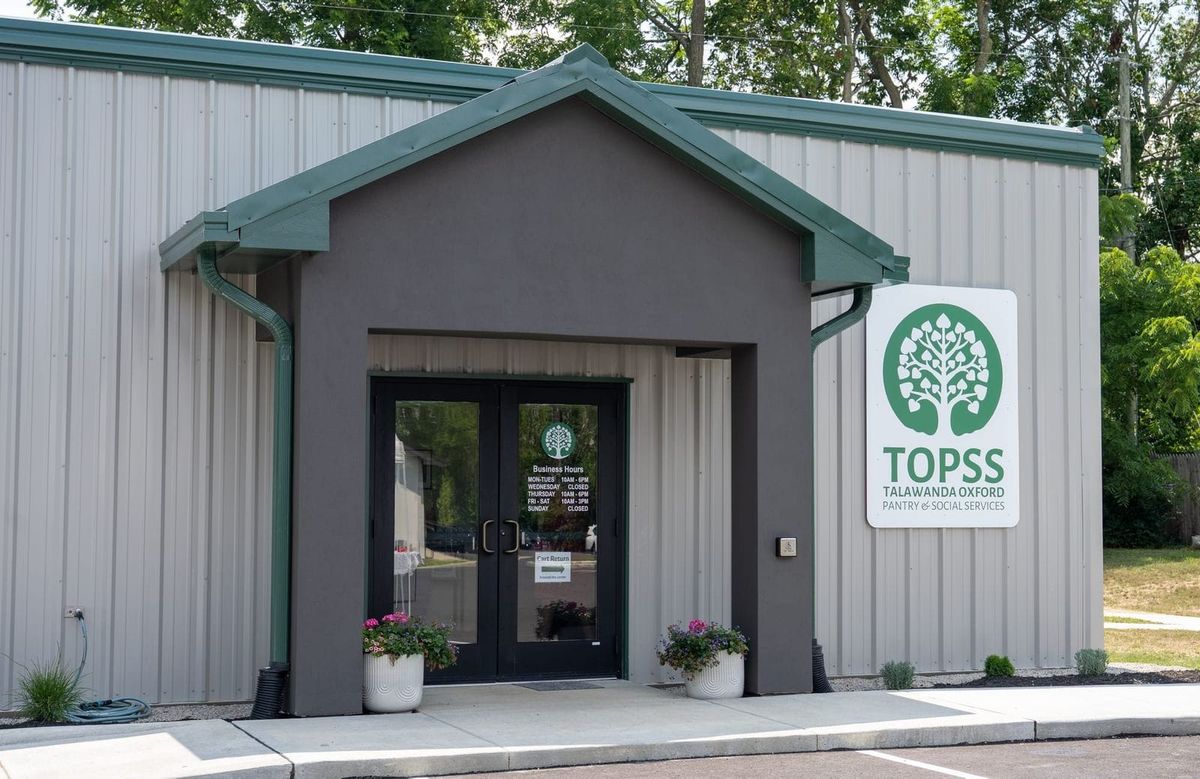
Chase Walter, the housing stability coordinator for the Talawanda Oxford Pantry and Social Services (TOPSS), works to obtain resources to help people get housing or stay housed. During the summer, TOPSS often sees its clients struggle to keep cool. Walter said he once had a client come in suffering from a heat-related illness and had to call an ambulance
“What we see most in the summer is people needing assistance with their utility bill,” Walter said. “Either they don't have an AC, or it's too expensive to run the AC, so they can't.”
TOPSS partners with local churches, the Salvation Army and Supports to Encourage Low-income Families (SELF) to help residents struggling to pay their utility bills. SELF can help provide AC units and fans and has energy assistance programs that can help lower bills.
“Heat is something that can really affect them (people), especially if they're sleeping in their car,” Walter said. “In a car without AC, you're really just in a metal box getting heated up by the sun … just keeping hydrated is a big struggle.”
Gina Springer grew up in Oxford, but moved out of state with her two children after leaving an abusive relationship in 2012. She and her children lived briefly in homeless shelters in Little Rock, Arkansas, before returning to Oxford in 2015, although they still lacked housing.
Springer said one of the most difficult parts of being homeless was preparing meals. Like many other Ohioans facing homelessness or housing insecurity, Springer was enrolled in the Supplemental Nutrition Assistance Program (SNAP).
SNAP helps low-income families and individuals by providing funding for food like fruit, vegetables, meat, seafood, dairy products, canned food, non-alcoholic drinks and other cold grocery items, according to the SNAP website.
Almost all items purchasable with SNAP require refrigeration, which Springer didn’t have access to. This meant making frequent trips to the store, which was time-consuming, especially because Springer was working full-time. Springer also said staying hydrated without consistent access to a water source was consistently worrisome.
“When you're homeless, maybe you have a bottle of water, but it's getting boiling hot, and you're getting all the chemicals from the plastic in that water, and it's just horrible,” Springer said.
Springer worked every second she could, and eventually, with help from the Family Resource Center, the Oxford Family Bible Fellowship Church and a battered women’s shelter, she was able to secure enough money to apply for housing at Parkview Arms Apartments.
“People don't realize what weather does …” Springer said. “People don't realize how hard it is.”