
Commissioner Carpenter talks PIT count, possibility of ‘resource hub’ at OASH meeting
Oxford Area Solutions for Housing talked about the point-in-time count, a proposal for a resource hub in Hamilton and a city ordinance at its regular meeting Feb. 16.
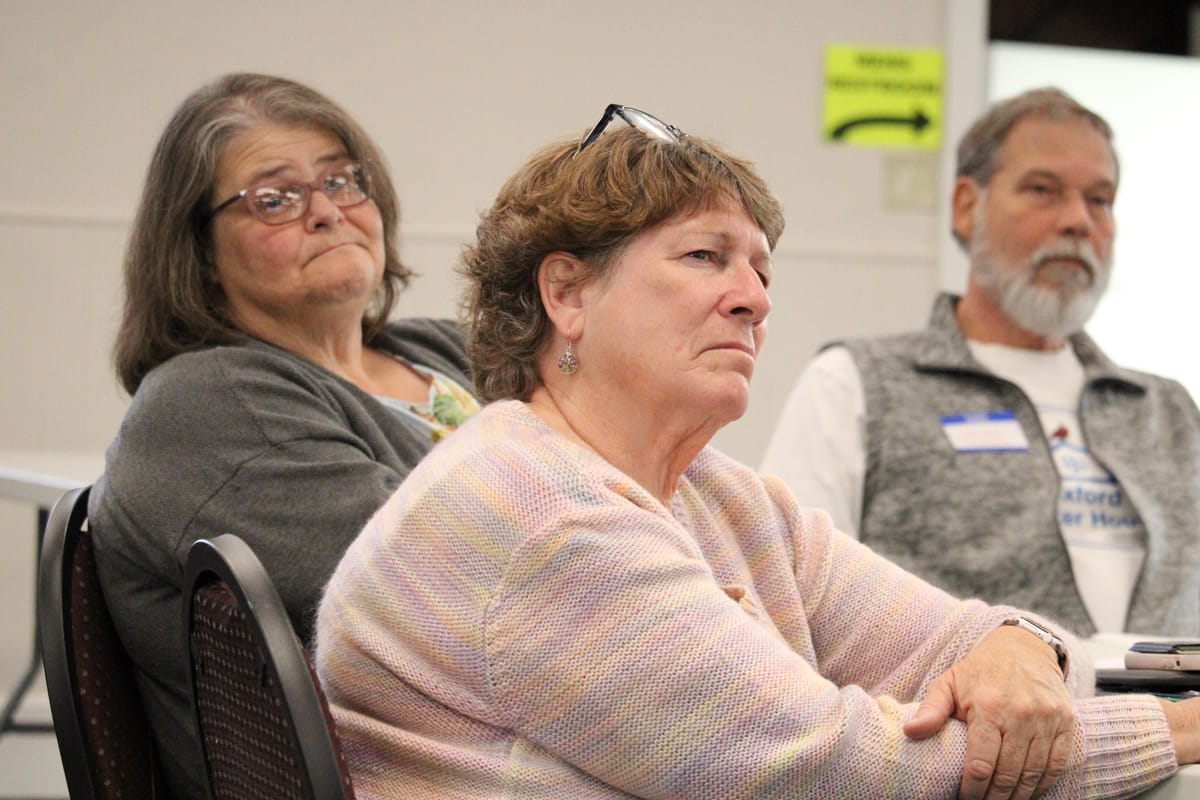
Butler County Commissioner Cindy Carpenter told Oxford Area Solutions for Housing (OASH) during its meeting Feb. 16, the annual point-in-time (PIT) count started Feb. 3.
On Feb. 3, volunteers traveled to social service agencies and places where people experiencing homelessness were staying, keeping a headcount to measure the extent of homelessness in the county. This year, Carpenter said the PIT count was extended for seven days.
According to Deb Wells, a social worker with Access Counseling Services in Middletown, PIT count data is used to see where concentrations of people experiencing homelessness are across the county. She said Oxford currently ranks third in the county for having the highest concentration, behind Hamilton and Middletown.
Last year’s PIT count showed Oxford’s population of people experiencing homelessness increased by nearly 25% from 2024 to 2025, from 37 to 46, as previously reported by the Oxford Free Press. County-wise, the number of people experiencing homelessness increased by more than 30% between 2024 and 2025.
Carpenter said this year’s study had to be delayed due to winter storms, but it “went pretty well” overall. She said the group learned from its experience this year, including that someone should be stationed at each social service agency for the entirety of the PIT count.
“We definitely need to get our volunteers in order, get a specific schedule, put people on the schedules and make sure we’re not missing anybody,” Carpenter said.
Carpenter said she was also surprised by how many people she came in contact with who had never spoken to a social worker before, which she said she saw as a “really big deficit.” Still, she said she feels the final results of this year’s PIT count won’t be as high as previous years.
Wells told the Oxford Free Press in an email it usually takes around 60 days to configure preliminary PIT count data, which will eventually be shared with OASH members.
In the meantime, the Oxford Winter House, created and managed in part by the local faith community and OASH, is nearing the end of its operations for the year.
The temporary shelter was meant to be open for three months from Dec. 1, 2025, through Feb. 28, although its opening was delayed for a few weeks due to electrical wiring damage while guests were relocated to a local hotel.
The winter house has been open at 5223 College Corner Pike since Dec. 21, 2025, as temperatures in Oxford reached below zero on multiple days, and the city received several inches of snow. The winter house will close on March 1 at 10 a.m., and volunteers will be there to help guests possibly find another housing solution.
Carpenter said, on the night of the PIT count, volunteers visited the winter house to add the number of guests to the dataset.
Proposed ‘Resource Hub’
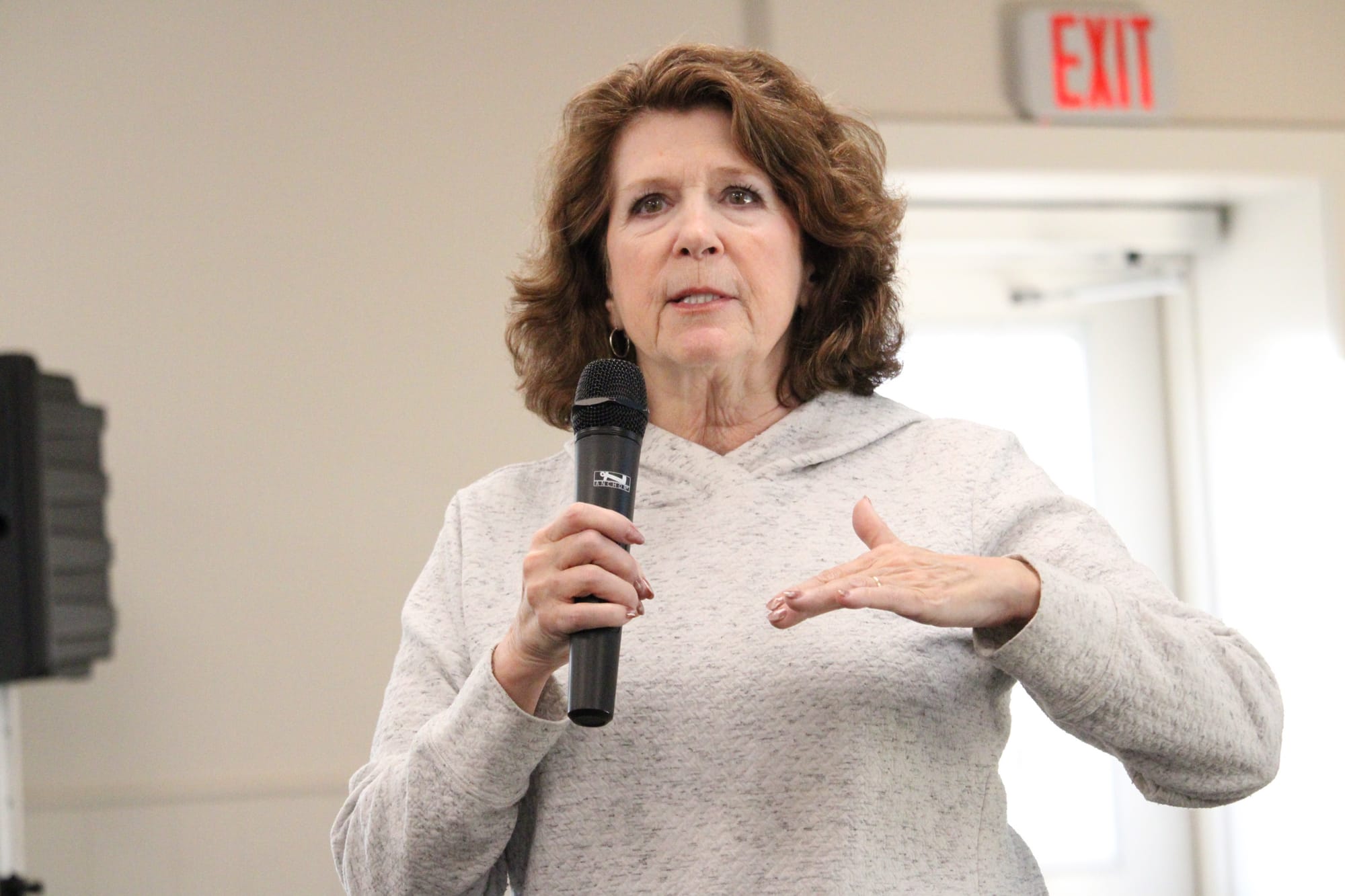
In November 2025, Carpenter sent a letter to the Hamilton City Council and Butler County Commission proposing the creation of an “Emergency Shelter and Resource Hub” at 3400 Symmes Road, a county-owned vacant facility, which she wrote could be a “bold, countywide solution to Butler County’s most urgent challenge: homelessness.”
According to the written proposal Carpenter provided to the Oxford Free Press, as of the latest data, there are 488 individuals currently unhoused in Butler County, with many living in encampments.
The proposal suggests the building should be transformed into a 50-bed multi-service hub, integrating prevention, treatment and recovery programs for individuals with substance use disorder, as well as life skills training and workforce readiness programs in partnership with Butler Tech.
The proposal suggests using a collective $7.5 million between HOME-ARP (American Rescue Plan) and OneOhio Opioid Settlement funds to support construction and sustainment of the hub.
According to reporting by the Journal-News, Butler County Commissioner Don L. Dixon said in November 2025, he and Commissioner T.C. Rogers “don’t plan to act” on the proposal, as there is another plan they’re working on to address recent cuts to permanent supportive housing programs in the county.
Despite this, Carpenter and Wells were still pushing for the project when they spoke at the OASH meeting.
Wells said, although Dixon and Rogers expressed disinterest, the City of Hamilton and the City of Fairfield is in support of the hub proposal, and the collaborative board that’s exploring the project, which she and Carpenter are part of, is currently looking for funding.
“Now we’ve got to kind of navigate the politics to get the ownership of the building transferred and those types of things,” Wells said, adding interested parties in Middletown are waiting to see if the proposal works out in Hamilton before possibly introducing a project there.
Carpenter told the Oxford Free Press she is still talking to community leaders about pursuing the project and trying to gain support and feedback from the other commissioners about how the proposal can be improved.
Wells also discussed the possibility of introducing a similar hub in Oxford, although she told the Oxford Free Press following the meeting this is currently just an idea.
“Now that the winter house project is pretty much done and you're wrapping things up, I would like to gauge what interest there is in looking at the hub as a next type of project for the community,” Wells said during the meeting. “What works in Hamilton and in Middletown might not be exactly what Oxford needs. So we kind of want to look at what the resources are, who's interested, who wants to start having some conversations about that.”
Microhomes ordinance
In other business, OASH members voted to endorse a city ordinance to approve a preliminary subdivision, planned development, waivers and conditions for the New Roots 16-unit microhome community to be located on 2.19 acres of land at 5234 Hester Road.
According to a statement passed around to members at the meeting, at least four of the micro-homes are identified specifically for individuals or families with intellectual or developmental disabilities, for whom there has been an identified shortage of housing.
The ordinance passed during the Oxford City Council meeting on Feb. 17.