
Fat loss and weight loss are not the same thing
Of that weight, how much of it is muscle tissue vs. fat tissue vs. fluid and everything else? This more detailed look at our body proportions is called body composition.
Let's talk about two terms that folks use interchangeably, but are actually not the same thing: fat loss and weight loss. Learning the distinction between the two matters.
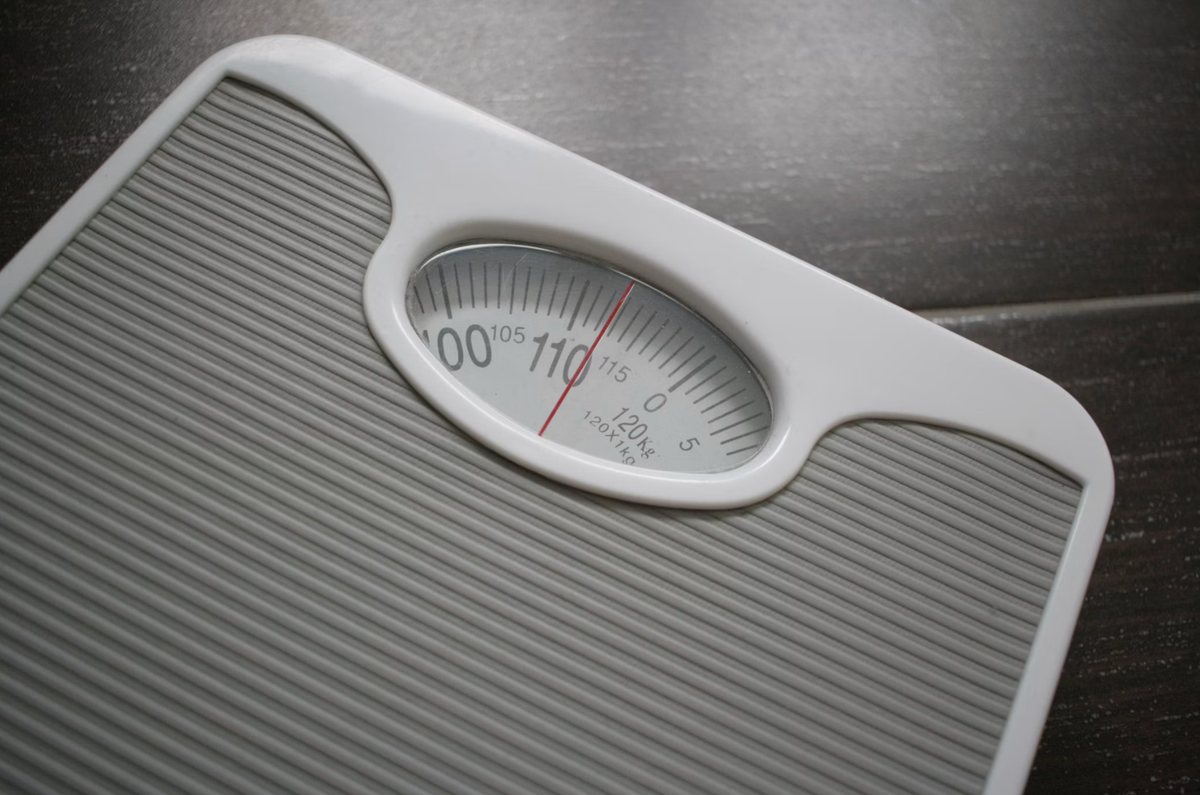
Your weight is the total of all of your body tissues, including your skeleton, your muscles, your skin, your blood and your fat tissue. You can measure that total number with your bathroom scale.
When we are talking about wanting to lose weight, we are usually referring to losing fat tissue. However, if we don’t think about this too much, it can be easy to fall into a diet trap and pursue a lower number on the scale at the cost of your health and metabolism – eek!
A simple bathroom scale, or the usual scale at the doctor’s office, is measuring our total weight, but this is not showing the full picture. While we tend to want to see that number go lower, if we aren't paying attention to the details, we could actually be shooting ourselves in the foot and losing muscle. Let's dive in.
Of that weight, how much of it is muscle tissue vs. fat tissue vs. fluid and everything else? This more detailed look at our body proportions is called body composition.
These days, you don't have to spend much money to get a bathroom scale that will measure your body composition. Once you set up a user profile for your individual scale, including your age, height and gender, you stand on the scale barefoot, and it's able to tell you much more detailed info about your body. The scales can tell you your skeletal muscle, your fat percentage and a lot more data.
Also, if you are pregnant or have a pacemaker, it is not recommended to use this kind of scale.
In today's world, more and more people are using GLP-1 medications. Estimates range anywhere from one in eight adults to as many as one in four adults using them. I am so glad that these medications exist and that access is improving. However, one thing that really concerns me is that people are losing weight far too quickly.
One of the main risks with rapid weight loss is losing your muscle. Our muscle is our main driver of our metabolism, which is a measure of how many calories you burn 24/7 just keeping your body alive. The more muscle you have, the more calories you burn (thick thighs save lives).
Someone losing weight very quickly and only using a simple bathroom scale to track progress might be celebrating their significant “weight loss.” However, they are not healthier just because they are smaller. With this in mind, I'm working on training myself as well as my clients to practice using the term “fat loss” instead of “weight loss.”
As my GLP-1 clients are seeing the needle move on the scale, I am very cognizant of looking into the fine print with them. For example, if they say that they’ve lost 4 lbs since our last appointment, we look back at their app for their scale together to investigate what kind of weight was lost. If we discover that their muscle mass has gone down, this 4 lb weight loss is not a cause for celebration. Instead, it’s time to investigate what’s going on and make a plan to protect against any more muscle loss.
It's time to focus on strong over skinny. This means an eagle eye on fat loss over broad celebrations of any kind of weight loss.
Holly Larson, MS, RD, is a local registered dietitian who specializes in women’s health, GLP-1 medications, and diabetes management. To learn more, visit hollylarsonnutrition.com - your visit may be fully covered by your insurance plan.