
Smooth sailing with GLP-1 medications
GLP-1 medications are now a household name. I’m glad. They’re a great tool to help us support our health in a better and more lasting way than ever before. But, they’re not a magic bullet or unicorn – they’re a tool to work with as you aim to improve your health and wellness.
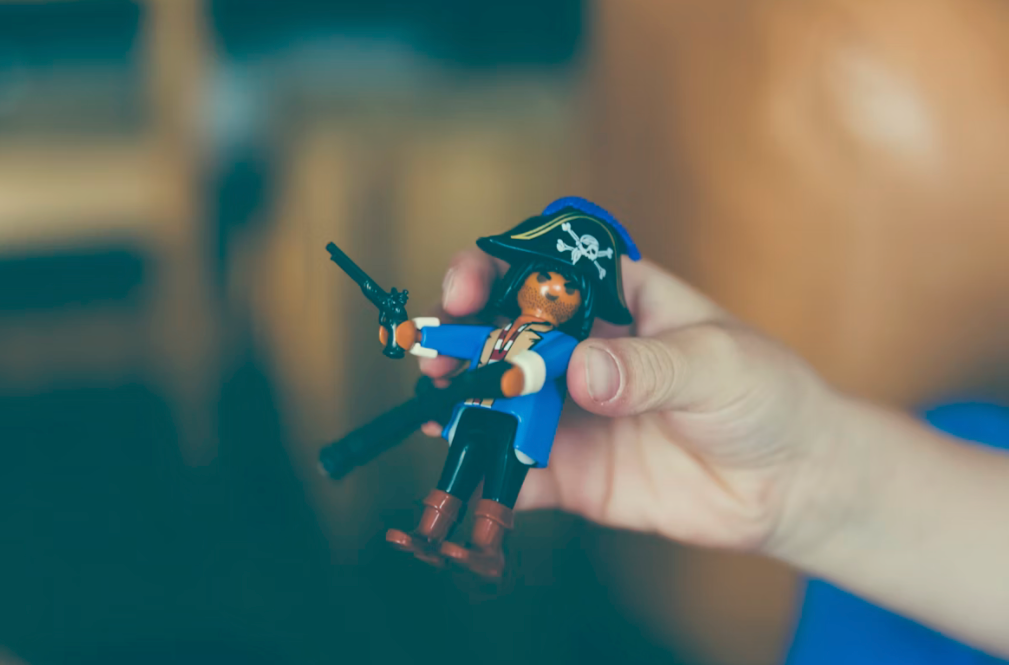
Let’s talk about pirates. Specifically, malnutrition. (We’ll get to the boats in a moment.)
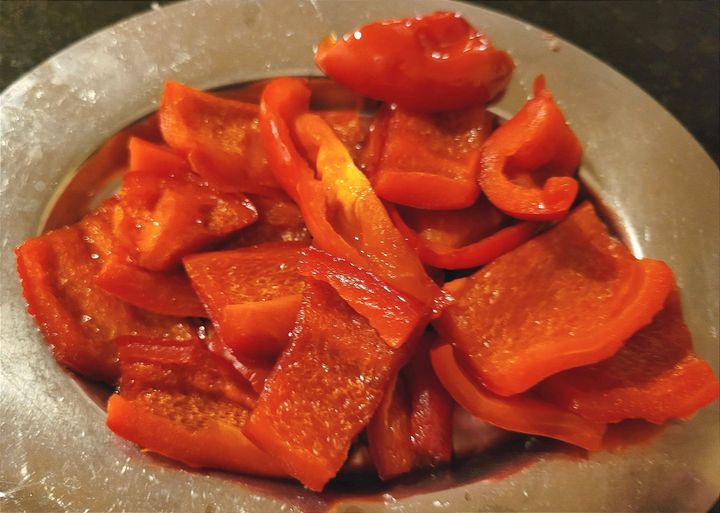
Scurvy, the disease caused by vitamin C deficiency, was a known killer of sailors and pirates from the 15th - 17th centuries. When you consider the foods that are naturally rich in this nutrient - strawberries, sweet bell peppers and kiwis – we’re looking at fresh produce that perishes quickly. I know my fellow toddler moms can relate to exactly how long strawberries last. Not ideal for a journey across the ocean, eh?
If you’re low in vitamin C, what does that feel like? Pretty icky, I’m afraid. Symptoms include intense fatigue, muscle weakness, gum disease, poor wound healing, depression and anemia.
Here’s the kicker: we used to just think of vitamin C deficiency, aka scurvy, as a thing of the past. Once sailors figured out that citrus fruits needed to be on the packing list, we have not had much of an issue with this nutrient deficiency. Until now.
GLP-1 medications are now a household name. I’m glad. They’re a great tool to help us support our health in a better and more lasting way than ever before. But, they’re not a magic bullet or unicorn – they’re a tool to work with as you aim to improve your health and wellness.
What are these things? GLP-1s are a class of medications that help to suppress appetite, slow down digestive emptying, and – this is cool – lessen the appeal of highly palatable foods.
Although they’re much better known today, they’re not actually new. The first GLP-1 to the market was Bayetta, released in 2005 for the treatment of Type 2 diabetes.
For someone wanting to lose weight and keep the weight off, it can feel about as possible as swimming across Lake Michigan. Not gonna happen.
I like to think of the GLP-1 medications like giving a person a wooden rowboat. Are they floating? Yup! But are they going where they want to go? Not yet.
The missing pieces are your two oars. In this analogy, I like to name one of the oars as exercise, especially strength training. The second oar? Nutrition. Especially enough protein and fiber (and also vitamin C, while we’re at it).
What I know from practice is that some of my clients have always had the oars – they have a consistent movement routine, they nourish their body with balanced meals, and yet, they don’t feel comfortable in their own skin. It’s so frustrating, right?
These clients have always had the “oars,” but because of genetics, trauma, weight cycling, medications or any number of factors, they have not been able to maintain a healthy weight. Obesity is complex. But one thing it is not is a moral issue. We have to stop calling foods good and bad, and we have to stop treating anyone in a larger body like they’re less worthy.
If you’re considering a GLP-1 medication – good for you. Please just remember that in addition to your “boat” of the medication, you truly need your two oars for the best results and safety. You need all of the tools in your toolbox to minimize the risk of side effects, from nausea and constipation to muscle wasting.
If you’re not nourishing your body thoughtfully, you might end up with muscle loss, or even scurvy – yikes.
For the best results, please work with a dietitian who can help you to make every bite count. When you have a low appetite and minimal thirst, it takes new strategies to thrive, and you deserve to!
Holly Larson, MS, RD, is a local registered dietitian who specializes in women’s health, GLP-1 medications, and diabetes management. To learn more, visit hollylarsonnutrition.com - your visit may be fully covered by your insurance plan.