
In defense of some processed foods
Unless you are knee-deep in an Alaskan stream eating a raw salmon while a grizzly judges your technique, you are, in fact, engaging in some level of processing. And that is a-okay.
Processed food has become a hot button issue. Some of these concerns are well meaning, however others are problematic at best and harmful at worst – they’re plagued with misinformation and privilege.
Unless you are knee-deep in an Alaskan stream eating a raw salmon while a grizzly judges your technique, you are, in fact, engaging in some level of processing. And that is a-okay.
Let’s start with the basics. Almost all of the foods that we eat are “processed” in some way. This is not a bad thing. Processing can make our foods last longer, be more palatable and in some cases make the food more nutritious. I’ll explain.
Too much processing can come with risk. These are valid concerns about the safety of additives and the potential loss of nutrients, but we need to distinguish myths from facts here.
Part of what makes these waters so muddy is our definition of processed. We have a better continuum of our definition with four main categories, but even that is still confusing.
The official definition of processed foods includes four main categories.
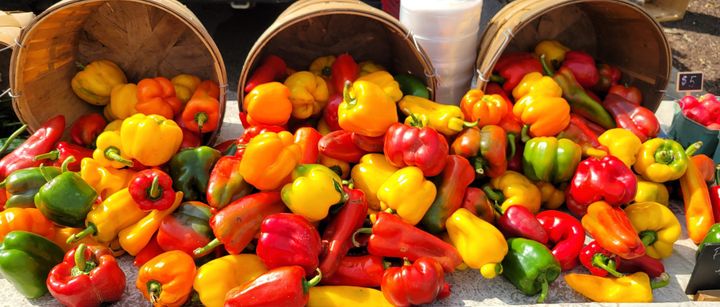
Level one: minimally processed foods, such as fresh fruits and vegetables, require preparation methods such as pasteurization, freezing, peeling and vacuum packing. I tell my clients all the time that frozen fruits and veggies are just as healthy as fresh ones, cost less and require less prep.
Level two: processed culinary ingredients, such as pulling honey from the comb, milling grains into flour and churning butter into milk.
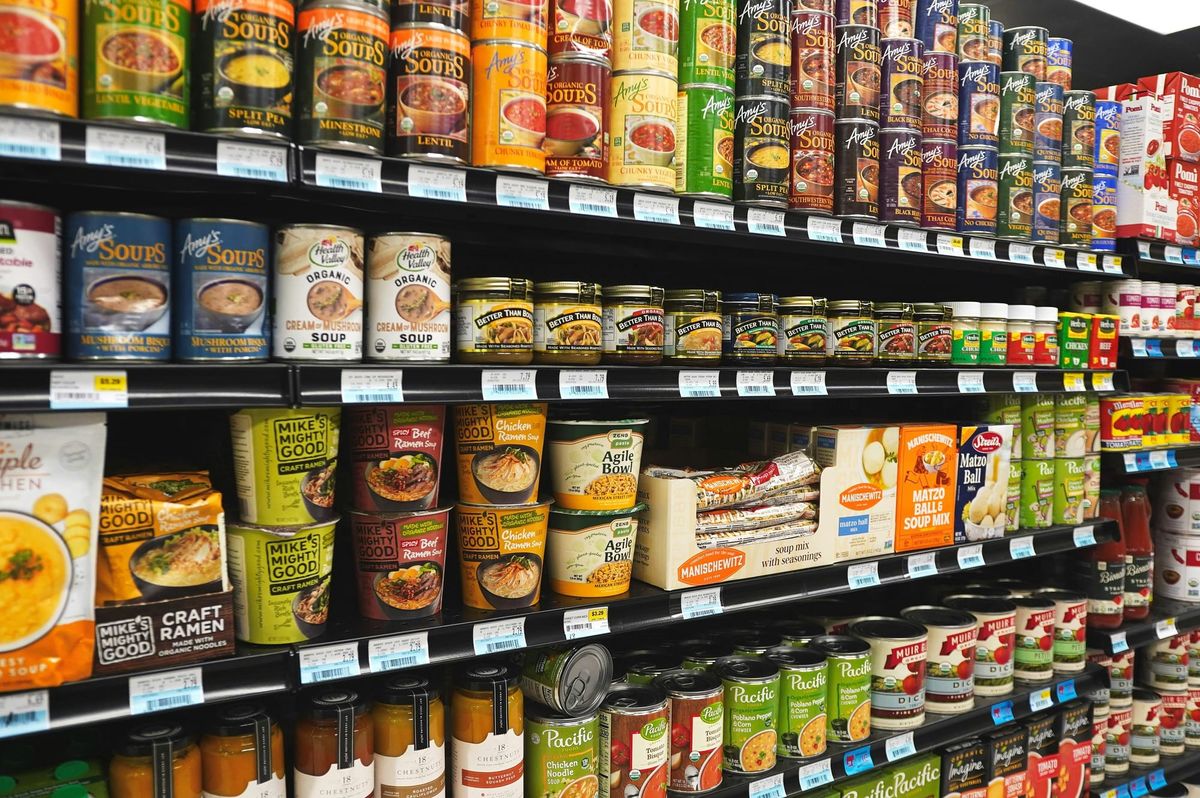
Level three consists of more processed foods with a longer shelf life, such as canned veggies or homemade bread and cheese.
Level four includes the most processed foods and is made up of what we call “ultra processed foods” that contain ingredients that we might not have in our own kitchen (preservatives or emulsifiers). These foods tend to be higher in added sugar and salt and are more palatable. Examples of the level four processing include snake cakes, frozen dinners, breakfast cereal and veggie burgers.
Minimally processed foods are healthy, of course. But that doesn’t mean that the goal can (or should) be to never eat ultra processed foods. Context really matters here. Ultraprocessed foods can even be the best answer sometimes. For example, when I’m working with clients with iron deficiency anemia, iron fortified cereal can be a well-tolerated way to improve their iron status without wrecking their gut with constipation, like high-dose supplements might. Ultra processed foods tend to be far more affordable and might be the main or only things available in some neighborhoods and in some budgets.
If you have a kid who has severe sensory processing challenges, they may only be able to eat Cheez-Its and a short list of other foods. As a dietitian, I’m grateful that that kid is eating. Yes, we want to keep working through interventions to expand their palate, but that doesn’t replace the need to eat today.
While it is true that cooking fruits and vegetables can diminish certain vitamins, it doesn’t make the fruit or vegetable a black hole of anti-nutrients. For example, tomatoes have both vitamin C as well as lycopene. Raw tomatoes have more vitamin C, however it is actually harder for our body to absorb the lycopene unless the tomatoes are cooked. So, spaghetti sauce and canned tomatoes are actually a better source of lycopene than raw tomatoes. (Three cheers for shelf-stable, more affordable produce!)
Another positive of processing? Safety. I will always recommend eating chicken that has been cooked to an internal temperature of 165 degrees over raw chicken.
Yes, I do want more transparency about what additives are in our food and if they carry risk. What we don’t need are more tech bros with podcasts unable to pronounce the chemical names of vitamins in the ingredients list and then shaming you for buying packaged foods. Fear mongering is not cute and illiteracy is not a flex.
I also do not want to go after individuals with a pitchfork over what’s in their grocery cart. That’s the difference. There are so many layers of our society that impact the real choices that any one of us have, from the salary we’re paid to the time we have available to cook to the skills and education we have been afforded. Check your privilege: we do NOT have the same access to healthy foods.
Processed foods can be a great choice to add convenience, safety and nutrition. They’re here to stay and can be a real value add in your home.
With love from a dietitian who has many processed foods in her home.
Holly Larson, MS, RD, is a local registered dietitian who specializes in women’s health, GLP-1 medications, and diabetes management. To learn more, visit hollylarsonnutrition.com - your visit may be fully covered by your insurance plan.