
Miami BOT approves $913M budget for FY27
Trustees also approved the polytechnic transition of the Hamilton campus
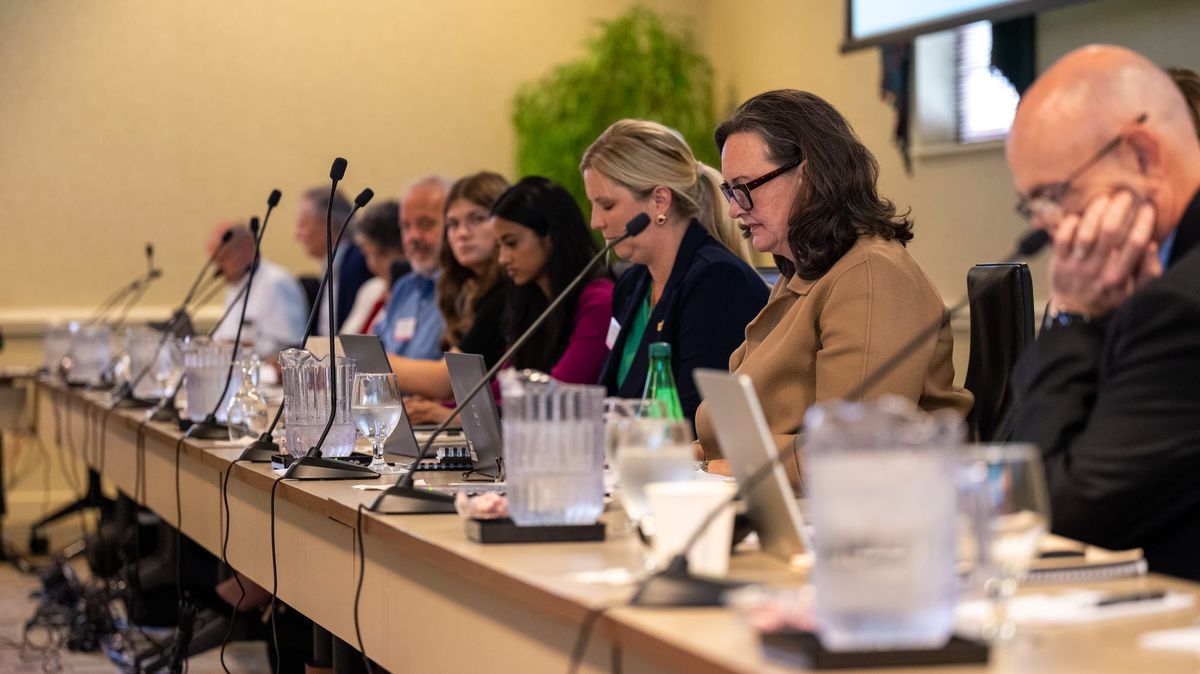
The Miami University Board of Trustees approved the university’s $913 million budget for Fiscal Year (FY) 2027 during its regular meeting on June 26, as well as the transition of its regional campus in Hamilton to a polytechnic school.
According to David Creamer, senior vice president for finance and business services at Miami, the university’s budget increase for FY27 for the Oxford campus will be $34,806,555, with increases specific to the debt service, Boldly Creative programming, changes in MiamiTHRIVE initiative budgets and information technology.
Creamer said the total spending on the Oxford campus is currently around $450 million. He said the additional funding for FY27 will need to come from changes in revenue, meaning growth in tuition, state support and investment income.
Over 90% of the university’s revenue has historically come from tuition and state support, Creamer told the Miami Finance and Audit Committee, although he said that percentage has continued to come down as the university draws more on its investment income and other funding mechanisms.
Creamer pointed out to the committee that the total net instructional fees from incoming cohorts to the Oxford campus are expected to increase in FY27, from $233 million to $250 million. At the same time, new undergraduate students coming to the Oxford campus will see a 2% increase in tuition. Creamer said FY27 will see the “largest amount (of revenue) that we have ever generated from an incoming class.”
Miami’s State Share of Instruction, or the funding it receives via a performance-based formula through the State of Ohio, is assumed to increase from about $73.8 million on the Oxford campus in FY26 to around $80.3 million in FY27, according to data provided to the committee by Creamer.
Meanwhile, Creamer said the university is having a "tremendous investment income year,” with an assumed increase of investment income for the Oxford campus from around $28.9 million in FY26 to around $35.6 million in FY27.
Revenue from MiamiTHRIVE initiatives is expected to increase from around $800,000 in FY26 to $1.9 million for the Oxford campus in FY27. Meanwhile, expenses for these initiatives are expected to increase from about $5 million in FY26 to about $9.2 million in FY27, according to Creamer’s data.
MiamiTHRIVE initiatives include the new $280 million multipurpose arena to be built on Cook Field, the launch of a polytechnic campus and the expansion of the university’s nursing programming, among other projects.
The budget for Miami regional campuses is expected to decrease by $1,967,582, according to Creamer, as spending will be reduced. But he still pointed to a need to draw roughly $6.6 million from the university’s reserves for the regional campus budget, as revenues have also declined.
“(The Finance and Audit Committee and I) were having an exchange about some of the challenges that the regional campuses are facing,” Creamer told the Oxford Free Press. “In general, their enrollment has been declining over an extended period of time, and some of that gets offset by reducing certain budgets to try to cover that, but even as we’ve done that, even as we’ve done a good bit of reduced spending, there is still a gap in the budget.”
Creamer said part of his message to the board is, “This is why you see certain schools close,” because it's hard to cut the budget as quickly as enrollment is declining, especially when certain costs like building maintenance and some overhead costs can’t be cut.
According to data provided by Creamer, net tuition and fee revenue for the regional campuses is expected to drop from more than $31 million in FY26 to more than $27 million in FY27, while transfers from its reserves to cover costs are increasing by $1.5 million.
The total applications for the regional campuses are decreasing from 1,377 in fall 2025 to a projected 1,224 for fall 2026, according to data provided to the Miami Academic and Student Affairs committee, with the highest number of applications in recent years being 1,501 in fall 2022.
Additionally, Creamer spoke to the committee about increasing the number of scholarships it offers to recruit the incoming class, rather than providing further-discounted rates.
Creamer told the committee the university is expecting to generate only about $9.2 million in endowment support for recruitment scholarships in FY27 to offset $150 million in scholarships awarded to students in the coming year.
“We have certain campaigns going to try to encourage more scholarship-giving from alumni and others because that better ensures the access for the student and that, financially, the institution is able to deliver the programs and things that it wants to do,” Creamer told the Oxford Free Press.
Polytech in Hamilton
In an effort to grow enrollment, Creamer said the regional campuses are attempting to look at where career opportunities are in Ohio in order to put the most value into its degree programs.
The Miami Board of Trustees officially approved the creation of the Miami University Polytechnic on the Hamilton campus during its June 26 meeting, to be based at the new Advanced Manufacturing Workforce and Innovation Hub.
The hub, built in partnership with Butler Tech, is located at the former Vora Technology Park in Hamilton and cost $31 million.
The first cohort will be recruited for the fall 2027 semester, and the three programs available for the polytechnic launch will be engineering technology, information technology and applied biology.
In November 2025, Moira Casey, then-interim dean of the College of Liberal Arts and Applied Science at Miami University Regionals, told the Oxford Free Press a full rebrand of the regional campuses in Hamilton, Middletown and the Voice of America Learning Center in West Chester would be complete with a “soft launch” this fall and a new curriculum beginning in fall 2027.
During a meeting last month, the board chose not to take action on a resolution to officially rename its regional campuses to “Miami University Polytechnic,” despite the ongoing transition of the campuses.
But Melissa Thomasson, interim vice president of Miami University Regionals and interim dean of the College of Liberal Arts and Applied Science, said the move by the board this month is more of a “clarification” than a “departure” from what’s been going on.
“The (advanced manufacturing) hub is there, and that’s going to be the foundation for the polytechnic initially,” Thomasson said. “We’re going to move forward at the foundation of really three identified polytechnic programs … so they’re going to form the focus right now, but we’re continuing to move forward with a polytechnic model for our other programs.”
Thomasson said the university is still continuing the work that regional faculty and staff began with Casey last year.
Over the past year, Thomasson said the university has redesigned its curriculum and identified new concentrations. The board previously voted to reorganize the 12 departments offered regionally into six in December 2025. However, the proposal offered by Thomasson at the December meeting did not initially propose any changes in the number of permanent faculty.
“The regionals are still there, and we’re going to continue to offer the other programs that have really been working the whole time at the regionals, so English studies, psychological science, all those,” Thomasson said. “Those students won’t have a different experience. We’re just continuing the work as we move towards a broader polytechnic model across all of our programs.”
Thomasson said the faculty have been working to make their programs serve the “polytechnic model” and the focus on “applied learning.”