

Wild Ones 101: Mosquito fogging: an effective way to kill butterflies, lightning bugs and other pollinators in your yard
We can’t eradicate mosquitoes; in fact, they are a necessary part of our ecosystem. Many animals eat them, such as bats, dragonflies, chimney swifts (an insectivorous bird), hummingbirds and more.
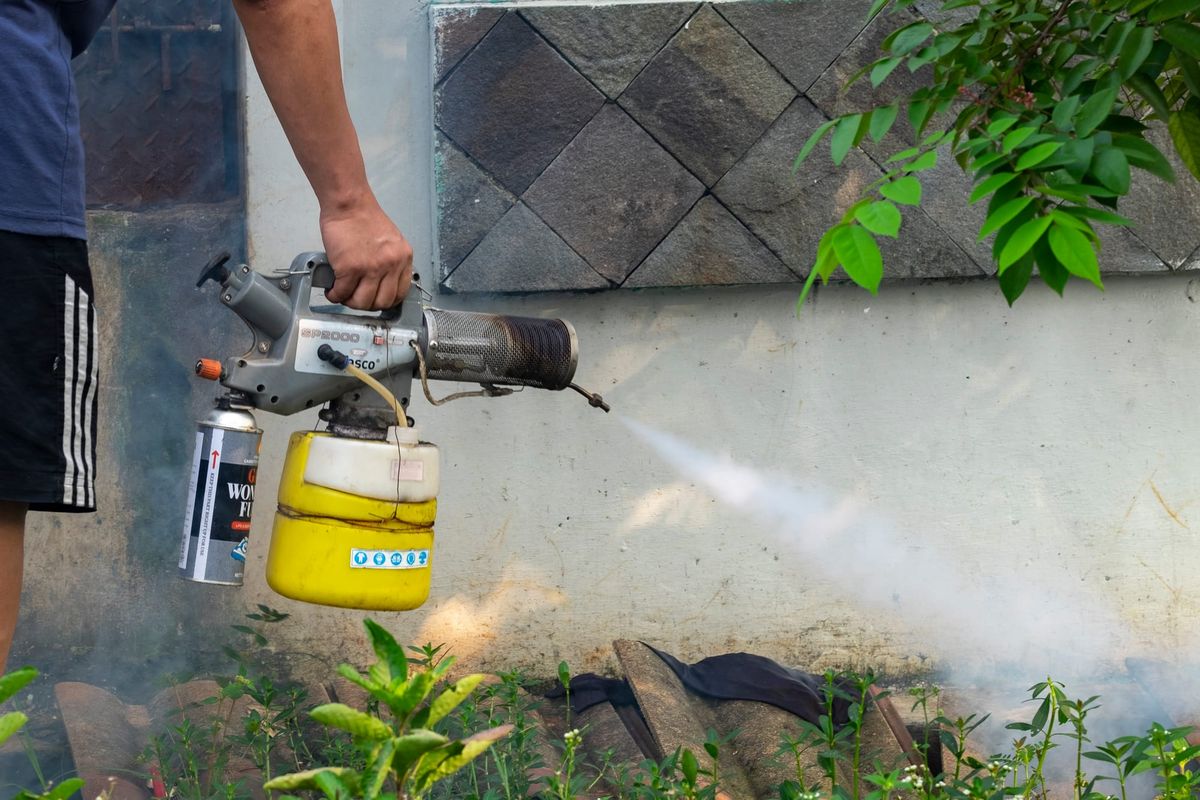
Before I begin, I want to start this article by saying that I am not writing it from a place of judgment. If you have used a mosquito fogging company, I know it’s because you are completely fed up with not being able to be outside on a summer evening without being bitten by mosquitoes. Mosquitoes are horrible flying pests. They carry diseases that pose serious public health concerns, and some of us, myself included, are more prone to being bitten by them than others.
With that out of the way, let’s get into the problems with this form of management and ways we can better address mosquitoes that do not negatively affect other wildlife.
Mosquito fogging companies have been making the rounds with their door-to-door salespeople promising a treatment that will kill mosquitoes with a natural plant-based product – not a chemical! If it sounds too good to be true, it is. I strongly believe plants are the answer to most of our problems. But for all the good things plants do, they do produce some terrible natural chemicals all in the name of self-defense. To begin, let’s go over what happens when your yard gets fogged.
Many mosquito fogging chemicals are based on pyrethrins, insecticidal compounds originally derived from chrysanthemums. However, many companies use a synthetic pyrethroid that behaves similarly but remains effective longer outdoors. Whether it’s derived from chrysanthemums or is the man-made compound, the fog can unfortunately harm many non-target insects it comes into contact with. That includes lightning bugs, butterflies, caterpillars, moths, grasshoppers, katydids, praying mantids, bumblebees, ladybugs and so many more.
This results in fewer pollinators and other beneficial insects, which means songbirds don’t have anything to eat or feed their babies (baby birds rely completely on a diet of caterpillars and other insects to grow into adults). So, songbird populations decline as well.
What the salesperson also didn’t tell you was that the fog does not treat mosquito larvae. It only kills the adults which almost certainly laid some eggs in the standing water in the birdbath or in the tarp covering your wood pile. Their life cycles are very short and in a week or so, you will be back to swatting mosquitoes. The problem is not solved and the costly cycle continues.
So how do we fix this problem? We can’t eradicate mosquitoes; in fact, they are a necessary part of our ecosystem. Many animals eat them, such as bats, dragonflies, chimney swifts (an insectivorous bird), hummingbirds and more. If that wasn’t enough, they are pollinators, albeit, not major ones, but they do contribute to the pollination of some plants.
First, let’s look at why mosquitoes are enjoying your yard so much. During the day, mosquitoes take refuge in shady areas. They especially love the dense low growing foliage of English ivy and winter creeper. If you have one of these introduced “ground covers,” you likely have a healthy mosquito population. Next, let’s look for standing water. Some mosquito species only need one tablespoon of water to fully mature into an adult. Check your bird baths, toy areas, tools, garden pots, gutters that don’t have enough pitch to fully drain, the old tire swing and others. I learned the hard way that my rain barrel was a problem. I bought window screen fabric and enclosed it over the top with the lid. No more mosquito nursery! When it comes to my bird bath, I dump it every few days – I’m sure the birds appreciate the fresh water. For the areas you can’t cover or dump out there’s a very affordable option: mosquito dunks, dried “cakes” containing Bti, a bacteria that targets mosquito larva. Drop a dunk or a piece of one into the standing water area and the larvae will die. The cakes last for about a month, as long as you see pieces of it floating on the surface, it’s working its magic.
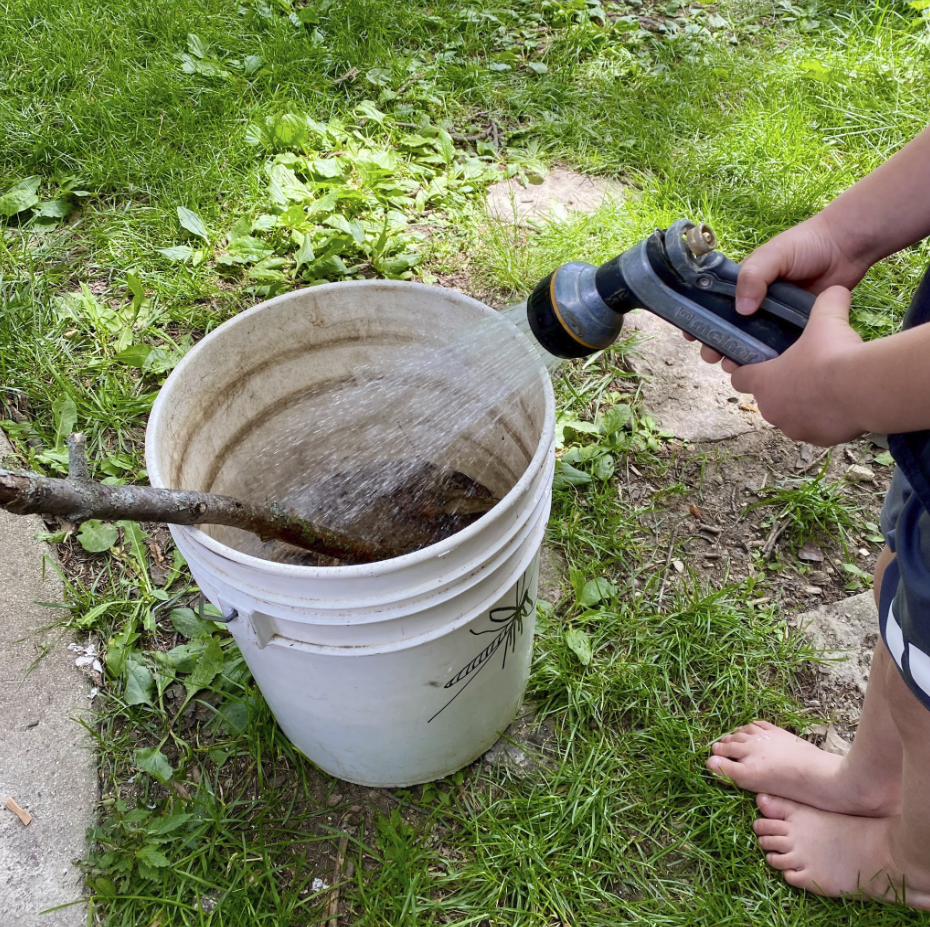
With those dunks, you can make your own mosquito honey pot – a way to trick the mosquitoes into laying eggs where the larvae can’t develop, a method Homegrown National Park has been promoting. Get a sturdy 3- to 5- gallon bucket, fill it with a few inches of water, a handful of leaf litter, add a piece of a dunk and that’s it. I like to keep mine in a shady location away from our sitting areas. For bonus points, add a stick or two that reaches out of the water. Insects like fireflies sometimes go in for a drink and get stuck in the water. The stick gives them a path out of peril.
For a really advanced method for controlling these buzzing, biting pests you can install a small pond complete with native aquatic plants. This will attract and support other wildlife like dragonflies, which also spend part of their life as aquatic larva, eating mosquitoes throughout their life cycle.
When it comes to sitting outside, there are ways to minimize how many mosquitoes are ruining your time outside. During the summer at our house, we keep a fan on the deck. Mosquitoes are small, flying insects and are easily blown away by a fan. Of course, the fan is also nice for your own personal comfort when it’s hot out. They also don’t like flying around smoke so sitting around a campfire can often drive them away. Citronella candles or a diffuser with citronella essential oils as well as incense can minimize how many mosquitoes are swarming around you. For these methods, having several lit is more effective. Conveniently, Oxford is home to a popular incense company. Additionally, I’ve used Thermacell products in the past, but stopped after learning they rely on synthetic pyrethroids similar to those used in many fogging treatments.
Finally, as a landscape designer and native plant enthusiast, I would be remiss if I did not mention the fact that if you plant more native plants, you’ll attract more wildlife that can help naturally balance pest populations. Your yard will be more beautiful and support local biodiversity so the next generation can enjoy butterflies, lightning bugs and songbirds.
Kelsey Vance is a board member of Wild Ones Miami Valley and owner of Wild Edges Landscaping LLC (www.wildedgeslandscaping.com), a landscape design company focused on creating beautiful landscapes that support pollinators, birds, and local biodiversity.